Filtered by Oral Health Goal
That post-dentist feeling is easy to recognise: smooth teeth, fresher breath, and a cleaner smile. But if your dentist says you may need a deep cleaning, it does not simply mean a longer regular cleaning. Regular dental cleaning and teeth deep cleaning have different goals, reach different areas, and are recommended for different oral health needs.
This guide explains how regular dental cleaning compares with deep gum cleaning, when each one is used, what to expect during treatment, and how to support your results with daily care at home. 1,2
What Is Regular Dental Cleaning?
Regular dental cleaning, also called dental prophylaxis, is a preventive procedure. Its purpose is to keep healthy teeth and gums in good condition by removing plaque and tartar that brushing and flossing can miss, especially around the gumline. 1,3
What Does Regular Cleaning Involve?
Initial Examination
The dentist or hygienist checks your mouth for cavities, gum inflammation, plaque build-up, and other concerns before cleaning begins. 3
Scaling
Plaque and tartar are removed from tooth surfaces, mainly at and above the gumline.
Polishing
A polishing paste smooths the tooth surfaces so they feel cleaner and are less likely to hold new plaque and surface stains.
Fluoride Treatment (Optional)
A fluoride gel or varnish may be applied to help strengthen enamel against decay. 4

Goals of Regular Cleaning
The main goals are prevention and maintenance: reducing plaque, supporting gum health, lowering the risk of cavities, and spotting small issues early. Many people are advised to attend routine check-ups every six to twelve months, though your dentist may suggest a different schedule based on your risk level. 5
What Is Teeth Deep Cleaning
(Deep Gum Cleaning)?

Purpose of Deep Cleaning
Teeth deep cleaning, also known as scaling and root planing, is a treatment for gum disease rather than a routine polish. It is used when bacteria, plaque, and tartar have collected below the gumline and created deeper spaces, or pockets, between the teeth and gums. 2,6
The goal is to remove infection-causing build-up, reduce inflammation, and help the gums heal more securely around the teeth. Without treatment, advanced gum disease can contribute to bone loss, gum recession, loose teeth, and tooth loss. 6,7
Procedure Details
A deep cleaning goes further than regular scaling because it cleans below the gumline and along the roots of the teeth.
Scaling
The dentist or hygienist removes plaque and tartar above and below the gumline, including inside periodontal pockets. 2
Root Planing
The root surfaces are smoothed so bacteria have fewer rough areas to cling to and the gums can heal against the teeth.
When Is Deep Cleaning Needed?
Your dentist may recommend deep gum cleaning when there are signs of gum disease, such as bleeding gums, swollen or tender gums, persistent bad breath, gum recession, or pockets that are deeper than healthy measurements. Pocket depth is one factor dentists use to assess gum health and treatment needs. 6,8
X-rays may also be used to check whether gum disease has affected the bone around the teeth. If bone loss or deeper pockets are present, a regular cleaning may not reach the bacteria below the gumline, so deep cleaning becomes the more appropriate treatment. 7
Key Differences Between Regular and Deep Cleaning
Both procedures help your mouth feel cleaner, but they are not interchangeable. The right option depends on whether your gums are healthy or whether gum disease needs active treatment.
What Sets Them Apart?
Purpose
Regular cleaning is preventive, while teeth deep cleaning is therapeutic and treats active gum disease.
Depth
Regular cleaning focuses at and above the gumline, while deep cleaning reaches below the gumline and along tooth roots. 2
Comfort
Regular cleaning is usually comfortable without numbing, while deep cleaning may use local anaesthetic to keep the area comfortable.
Follow-up
Regular cleaning is often completed in one visit, while deep cleaning may be split into sections and followed by closer gum monitoring.

Benefits of Deep Cleaning for Oral Health
When it is needed, deep cleaning can reduce harmful bacteria below the gumline, calm inflamed gums, improve bleeding and tenderness, and help prevent further gum and bone damage. It also removes a major source of persistent bad breath linked to gum infection. 6,7
The benefit is not just a cleaner feeling on the day of treatment. Deep cleaning creates a healthier foundation so your daily brushing, interdental cleaning, and mouth rinsing can work more effectively afterwards.
Common Misconceptions and Concerns About Deep Cleaning
The phrase "deep cleaning" can sound intimidating, especially if you expected a routine appointment. Most concerns come from not knowing what the procedure involves.
What Are the Myths?

Pain Concerns
Deep cleaning should not feel extremely painful. Local anaesthetic can be used so you mainly feel pressure rather than pain during treatment.
Loose Teeth Concerns
Deep cleaning is designed to protect teeth and gums from damage caused by periodontal disease. 6 Gum disease itself can weaken the support around teeth, so your gums and bite may feel different as swelling reduces and healing begins. If tartar and bacteria are below the gumline, a regular cleaning cannot fully reach the area that needs treatment. 2
Shame or Blame
Needing deep cleaning is not a personal failure. Gum health can be affected by cleaning habits, genetics, smoking, medical conditions, medications, and how often plaque is professionally removed.
What to Expect During and After a Deep Cleaning
During the Procedure
Your dentist may treat the mouth in sections, especially if several areas need attention. After numbing the treatment area, they use specialised tools to remove build-up from above and below the gumline, then smooth the root surfaces. Scraping sounds are normal, and the process is done carefully so the gums can begin healing.
Aftercare Tips
After the anaesthetic wears off, mild soreness, sensitivity, and light bleeding can happen for a few days. Your dentist may give specific instructions, but common aftercare steps include: 9
When to Call the Dentist
Call your dentist if pain becomes severe, swelling worsens after the first few days, bleeding is heavy or does not stop, or you notice signs of infection such as pus, fever, or a bad taste that persists. 9

Maintaining Your Results: The Best At-Home Care
Professional cleanings work best when they are supported by a consistent daily routine. After deep gum cleaning, the goal is to control plaque, protect healing gums, and keep bacteria from building up again.
1. Establish a Bacterial Defense
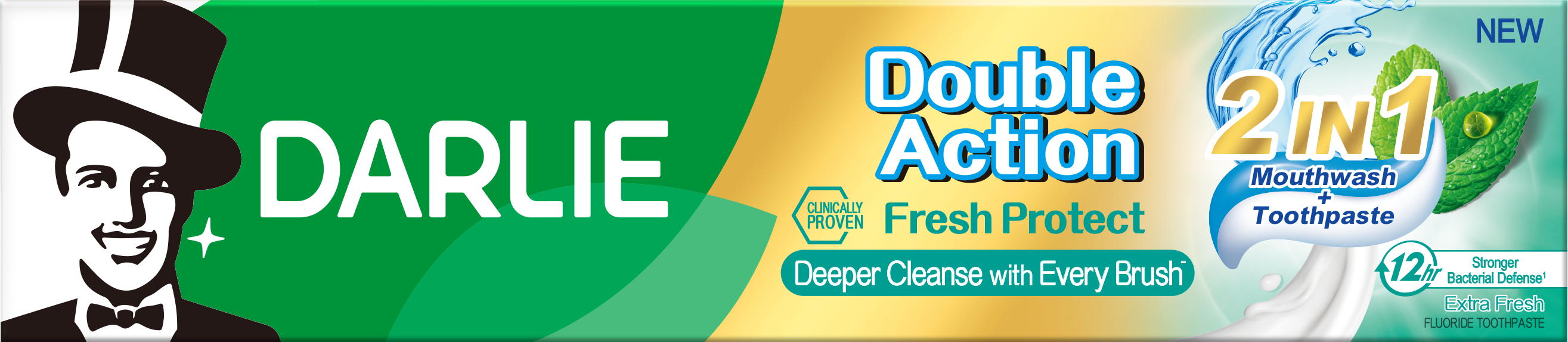
Brush twice daily with NEW DARLIE Double Action Fresh Protect Toothpaste, which supports stronger 12-hour bacterial protection, long-lasting fresh breath with natural mint essence, plaque reduction, and cleansing of teeth. For a deeper fresh-clean feel, NEW DARLIE Double Action Fresh Protect 2in1 Mouthwash Toothpaste combines toothpaste and mouthwash benefits in one tube with 2X freshness, a deeper cleanse between gaps, stronger 12-hour bacterial defense, and 3X plaque removal power. Pair either toothpaste with the Graphene Comfort Clean Toothbrush when you want flexible bristles for hard-to-clean areas.

2. Maintain the "Post-Dentist" Polish
To help manage surface stains between dental visits, DARLIE All Shiny White Enzyme Toothpaste uses dual natural enzymes, 5x stain dissolvability power, and a protective layer against stain build-up. 10,11 Pair it with the NEW DARLIE Diamond Shine Toothbrush. Its fluffy soft outer-ring bristles and ultra-dense design provide a thorough yet gentle clean, while Diamond Polish Core bristles are specifically designed to help remove stains effectively 12,13.

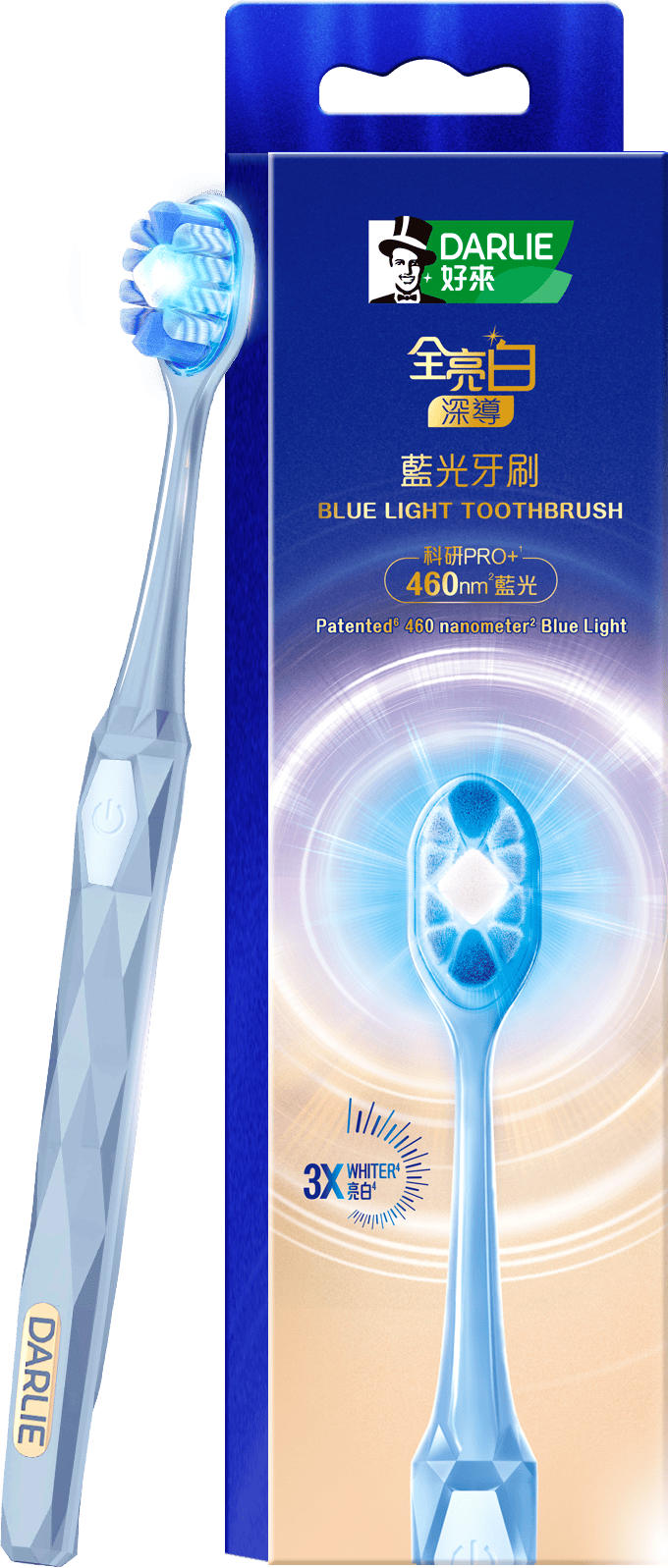
For a brighter routine, NEW DARLIE All Shiny White Magnificent Toothpaste uses ActivOxygen technology, is clinically proven to whiten in 3 days, and has 12x stain dissolvability power. 15,16,17 It can be paired with the DARLIE All Shiny White Magnificent Blue Light Toothbrush, which uses 460nm blue light to support whitening when used with the toothpaste.

3. Complete the Regime with Rinsing
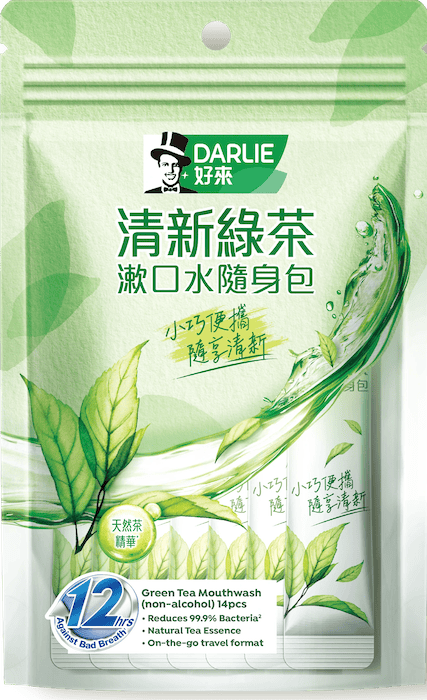
DARLIE Double Mint Mouthwash (Non-alcohol) uses CPC and fluoride in a gentle non-alcohol formula to reduce bacteria, protect against cavities, and keep breath fresh. 19,20 For portable care, Green Tea Mouthwash Sachet (Non-Alcohol) helps fight bad breath and reduce 99.9% oral bacteria growth, while DARLIE Mouthspray (Double Mint/Green Tea) offers instant fresh breath with 12x anti-odor benefit and bacteria reduction after meals. 21,22,23

Conclusion
Regular cleaning and teeth deep cleaning both support oral health, but they solve different problems. A regular dental cleaning helps maintain healthy teeth and gums. A teeth deep cleaning treats gum disease by removing build-up from below the gumline and helping the gums heal.
If your dentist recommends deep gum cleaning, it is a proactive step to protect your teeth, gums, and bone support. With the right professional care and a consistent daily routine, you can lower the chance of plaque returning and keep your smile feeling healthier for longer.
1. Dental Prophylaxis - MeSH - NCBI - https://www.ncbi.nlm.nih.gov/mesh/D003777
2. Scaling and Root Planing - ADA - https://www.ada.org/sitecore/content/ADA-Organization/ADA/MouthHealthy/home/all-topics-a-z/scaling-and-root-planing
3. Dental Exam - MedlinePlus - https://medlineplus.gov/lab-tests/dental-exam/
4. Fluoridation FAQs - American Dental Association - https://www.ada.org/resources/community-initiatives/fluoride-in-water/fluoridation-faqs
5. Dental check-ups - NHS - https://www.nhs.uk/live-well/healthy-teeth-and-gums/dental-check-ups/
6. About Periodontal (Gum) Disease - CDC - https://www.cdc.gov/oral-health/about/gum-periodontal-disease.html
7. Periodontitis Diagnosis and Treatment - Mayo Clinic - https://www.mayoclinic.org/diseases-conditions/periodontitis/diagnosis-treatment/drc-20354479
8. Periodontal Pocket Depths and Disease - PMC - https://pmc.ncbi.nlm.nih.gov/articles/PMC9021254/
9. Surgery to the mouth and jaws: post-operative advice - Cambridge University Hospitals - https://www.cuh.nhs.uk/patient-information/surgery-to-the-mouth-and-jaws-post-operative-advice/
10. In vitro study for extrinsic stains, effects may vary across individuals
11. Compared with a blank control group using DARLIE whitening toothpaste
12. In vitro study, compared with the cleaning and whitening (brightening) performance of a general DARLIE Charcoal Tapered Bristle toothbrush.
13. The product adopts a large hole bristle design, which has more than 7 times the number of bristles in a single hole (referring to each bundle) compared to a DARLIE general spiral tapered bristle toothbrush.
14. 15 Years Stain Reversal as fast as in 2 weeks. Removes discolouration on teeth. Effects may vary across individuals. With continued use twice daily
15. Clinically proven, effectively enhance teeth whitening shade with continuous used for 3 days. Effects may vary across individuals
16. Formula release active oxygen when it contacts with water
17. Scientifically proven teeth shades reduces over 12 times vs. blank control toothpaste.
18. Refer to Sodium Monofluorophosphate
19. Data from Hawley & Hazel Chemical Co. Research Data
20. CPC: Cetylpyridinium chloride
21. In vitro study, compared with DARLIE mouth spray. Effects may vary across individuals.
22. In vitro study, helps reduce the growth of Porphyromonas gingivalis and Fusobacterium nucleatum.
23. Scientific test proven to effectively reduce 99.9% Oral Bacteria Growth
2. Scaling and Root Planing - ADA - https://www.ada.org/sitecore/content/ADA-Organization/ADA/MouthHealthy/home/all-topics-a-z/scaling-and-root-planing
3. Dental Exam - MedlinePlus - https://medlineplus.gov/lab-tests/dental-exam/
4. Fluoridation FAQs - American Dental Association - https://www.ada.org/resources/community-initiatives/fluoride-in-water/fluoridation-faqs
5. Dental check-ups - NHS - https://www.nhs.uk/live-well/healthy-teeth-and-gums/dental-check-ups/
6. About Periodontal (Gum) Disease - CDC - https://www.cdc.gov/oral-health/about/gum-periodontal-disease.html
7. Periodontitis Diagnosis and Treatment - Mayo Clinic - https://www.mayoclinic.org/diseases-conditions/periodontitis/diagnosis-treatment/drc-20354479
8. Periodontal Pocket Depths and Disease - PMC - https://pmc.ncbi.nlm.nih.gov/articles/PMC9021254/
9. Surgery to the mouth and jaws: post-operative advice - Cambridge University Hospitals - https://www.cuh.nhs.uk/patient-information/surgery-to-the-mouth-and-jaws-post-operative-advice/
10. In vitro study for extrinsic stains, effects may vary across individuals
11. Compared with a blank control group using DARLIE whitening toothpaste
12. In vitro study, compared with the cleaning and whitening (brightening) performance of a general DARLIE Charcoal Tapered Bristle toothbrush.
13. The product adopts a large hole bristle design, which has more than 7 times the number of bristles in a single hole (referring to each bundle) compared to a DARLIE general spiral tapered bristle toothbrush.
14. 15 Years Stain Reversal as fast as in 2 weeks. Removes discolouration on teeth. Effects may vary across individuals. With continued use twice daily
15. Clinically proven, effectively enhance teeth whitening shade with continuous used for 3 days. Effects may vary across individuals
16. Formula release active oxygen when it contacts with water
17. Scientifically proven teeth shades reduces over 12 times vs. blank control toothpaste.
18. Refer to Sodium Monofluorophosphate
19. Data from Hawley & Hazel Chemical Co. Research Data
20. CPC: Cetylpyridinium chloride
21. In vitro study, compared with DARLIE mouth spray. Effects may vary across individuals.
22. In vitro study, helps reduce the growth of Porphyromonas gingivalis and Fusobacterium nucleatum.
23. Scientific test proven to effectively reduce 99.9% Oral Bacteria Growth
FAQs
No. Regular scaling usually cleans at and above the gumline. Teeth deep cleaning, or scaling and root planing, cleans below the gumline and along the roots when gum disease is present. 2
Common signs include bleeding gums, swollen gums, persistent bad breath, gum recession, deeper gum pockets, or X-ray signs of bone loss. Your dentist can confirm this with a gum examination and measurements. 6,8
Mild soreness, bleeding, or sensitivity can happen for a few days. Gentle brushing, soft foods, warm salt-water rinses, and following your dentist's aftercare advice can help healing. 9
Recommended Products