Filtered by Oral Health Goal
Bacterial plaque is a sticky film of bacteria that naturally forms on teeth and along the gumline, and when it stays on the teeth, those bacteria can multiply, irritate the gums, and contribute to bad breath and tooth
decay1 . Knowing what to look for can help you notice early warning signs and build better habits for healthier gums and more confident breath throughout the workday.
What Bacterial Plaque Is and Why It Matters
Bacterial plaque often feels soft and sticky, almost like a fuzzy coating on the teeth, and it can look colourless, pale yellow, or whitish near the gumline2 . The plaque and bacteria link matters because this film forms quickly every day, and if brushing or flossing is inconsistent, bacteria have more time to build up and affect both gums and breath3 .
Plaque is different from tartar. Plaque is the soft film that can often be removed at home with regular brushing and flossing, while tartar is hardened plaque that usually needs to be removed by a dental professional2 .
Early Signs of Gumline Bacteria Buildup
Common signs of gumline bacteria buildup can appear before more serious gum problems develop. Watch for:

Why Plaque Keeps Coming Back
Plaque comes back quickly because the mouth is constantly exposed to food, drinks, and bacteria. In everyday life, several habits can make buildup happen faster and make daily germ protection for adults more challenging3.
Frequent snacking and sugary foods give plaque bacteria more fuel to grow. Dry mouth can also make a difference, especially if you drink coffee often, spend long hours talking, feel stressed, or work in strong office air conditioning, because saliva helps wash away food debris and balance the mouth5. Skipping flossing, brushing too quickly, and smoking or vaping can also make it easier for plaque to return and stay around the gumline6.
How Plaque Can Affect Gums and Breath
When plaque collects near the gumline, bacteria can irritate the surrounding tissue and lead to swollen, sensitive, or easily bleeding gums, which may develop into gingivitis if ignored4 . This shows the plaque and bacteria link clearly: as bacteria continue feeding on leftover food particles, they can also release odour-causing compounds that contribute to unpleasant breath7 .
Over time, ongoing buildup may raise the risk of cavities and more serious gum concerns, and it can make it harder to maintain fresh breath at the office. That is why early care and consistent cleaning matter.
Antibacterial Toothpaste Benefits: What to Look For
Antibacterial toothpaste benefits can go beyond basic cleaning by helping reduce bacterial regrowth, supporting gumline cleanliness, lowering odour-causing bacteria, and helping breath feel fresher for longer7 . Even so, toothpaste works best as part of a complete routine rather than on its own.
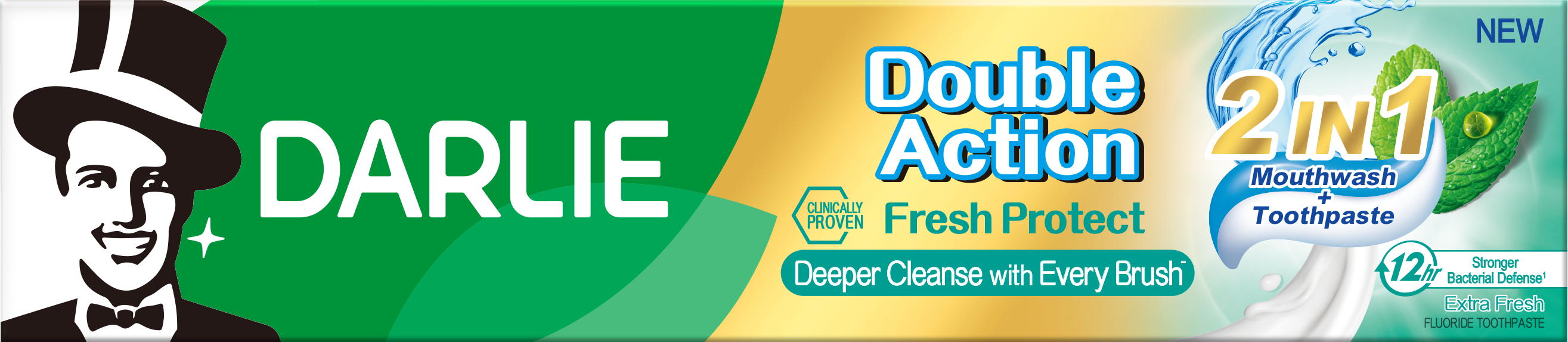
For adults looking for extra support, Darlie Double Action Fresh Protect 2in1 Mouthwash Toothpaste can fit naturally into a plaque-control routine. It combines toothpaste and mouthwash benefits in one tube with LiquiDual technology for a deeper cleanse between gaps, while also offering 2X freshness, stronger 12-hour bacterial defense, and 3X plaque removal power. It is also described as clinically proven to combat bad breath and protect gums, and it is infused with 100% Natural Mint Essence for the brand’s signature fresh feel.
Simple Daily Routine to Keep Bacteria in Check
A simple routine can go a long way in keeping bacterial plaque under control, and consistency matters more than perfection.

1. Brush twice a day for two minutes, especially along the gumline. This helps remove fresh plaque before it hardens.
2. Use floss or interdental cleaning once a day. Cleaning between teeth helps remove plaque where a toothbrush may not reach well8.
3. Clean the tongue daily to reduce odour-causing buildup. This can support fresher breath as part of your routine.
4. Consider an antibacterial toothpaste as part of the routine. Choosing a formula designed for plaque control and gum support can add another layer of care.
5. Rinse with water after meals when brushing is not possible. This may help clear food debris after lunch or coffee.
6. Stay hydrated throughout the day. Good hydration supports saliva flow, which helps protect the mouth naturally5.
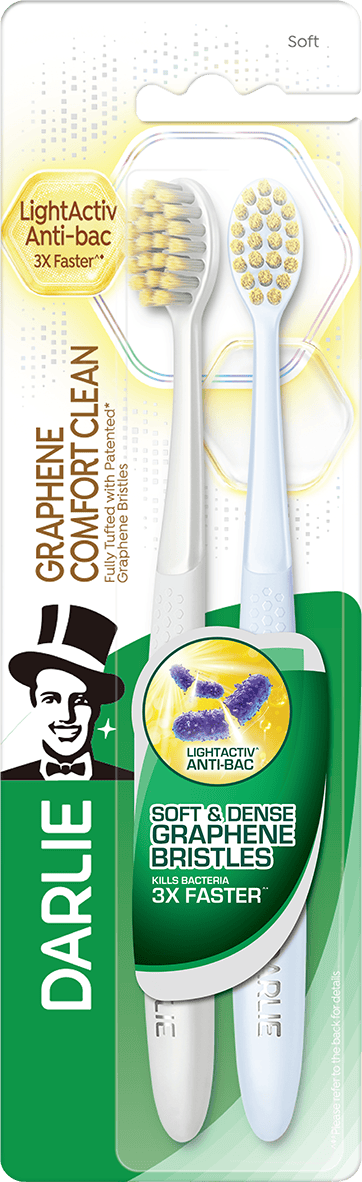
If you want a gentle brushing tool to pair with your routine, Darlie Graphene Comfort Clean toothbrush is designed to stay cleaner while providing a soft brushing experience. Its LightActiv Graphene Bristles are described as killing 99% of bacteria 3X faster when exposed to light, and the brush also features 3X more bristles that are ultra-soft and dense for comfortable daily cleaning.
Fresh Breath at the Office: Practical Midday Tips
Fresh breath at the office often comes down to simple midday habits. Keeping water nearby and sipping often can help with dryness, especially after coffee or long conversations. Rinsing with water after lunch, chewing sugar-free gum if needed, and keeping a small oral care kit in your bag or desk can all help reduce strong odour buildup between brushing sessions.
These practical steps can support confidence in meetings and conversations, while also helping you stay more consistent with your overall oral care routine.
Conclusion
Bacterial plaque may be easy to miss at first, but signs like rough tooth surfaces, gum irritation, bleeding, and lingering bad breath can signal that bacteria are building up near the gumline. By understanding why plaque returns and following a simple daily routine with consistent brushing, flossing, hydration, and supportive oral care products, you can help protect your gums and maintain fresher breath throughout the day.
1. About Periodontal (Gum) Disease | CDC - https://www.cdc.gov/oral-health/about/gum-periodontal-disease.html
2. Dental plaque identification at home – MedlinePlus - https://medlineplus.gov/ency/article/003426.htm
3. Tartar on Teeth (Dental Calculus): Causes & Removal - https://my.clevelandclinic.org/health/diseases/25102-tartar
4. Periodontal (Gum) Disease | National Institute of Dental and Craniofacial Research (NIDCR) - https://www.nidcr.nih.gov/health-info/gum-disease
5. Dry Mouth: MedlinePlus - https://medlineplus.gov/drymouth.html
6. The effect that smoking has on your oral health - https://www.qvh.nhs.uk/wp-content/uploads/2020/02/The-effect-that-smoking-has-on-your-oral-health-0575-web-version.pdf
7. Mouthrinse (Mouthwash) | American Dental Association - https://www.ada.org/resources/ada-library/oral-health-topics/mouthrinse-mouthwash
8. Dental Floss/Interdental Cleaners | American Dental Association - https://www.ada.org/resources/ada-library/oral-health-topics/floss
2. Dental plaque identification at home – MedlinePlus - https://medlineplus.gov/ency/article/003426.htm
3. Tartar on Teeth (Dental Calculus): Causes & Removal - https://my.clevelandclinic.org/health/diseases/25102-tartar
4. Periodontal (Gum) Disease | National Institute of Dental and Craniofacial Research (NIDCR) - https://www.nidcr.nih.gov/health-info/gum-disease
5. Dry Mouth: MedlinePlus - https://medlineplus.gov/drymouth.html
6. The effect that smoking has on your oral health - https://www.qvh.nhs.uk/wp-content/uploads/2020/02/The-effect-that-smoking-has-on-your-oral-health-0575-web-version.pdf
7. Mouthrinse (Mouthwash) | American Dental Association - https://www.ada.org/resources/ada-library/oral-health-topics/mouthrinse-mouthwash
8. Dental Floss/Interdental Cleaners | American Dental Association - https://www.ada.org/resources/ada-library/oral-health-topics/floss
Frequently Asked Questions
Plaque is a soft, sticky film that often can be removed at home with daily brushing and flossing, while tartar is hardened plaque that usually requires professional cleaning.
Common signs include rough or fuzzy-feeling tooth surfaces, a white or yellowish film near the gumline, red or tender gums, bleeding while brushing, and lingering bad breath.
It can help reduce bacterial regrowth, support cleaner gumlines, and help control odour-causing bacteria, which may make breath feel fresher during the day.
Bacteria in plaque break down food particles left in the mouth and release compounds that create unpleasant odours.
Recommended Products