Filtered by Oral Health Goal
Waking up with a throbbing headache and a tight, aching jaw? Does it feel like your jaw went through a tough workout while you were asleep? The reality is, while your body might be resting, your teeth and jaw can still be working overtime.1 This involuntary clenching and grinding, known as bruxism, can cause significant damage to your smile. If you’re looking for a mouth guard for sleeping or wondering why night guards are essential in Singapore, let’s explore how to give your smile the rest it deserves.
Understanding Teeth Grinding (Bruxism)
Bruxism is the medical term for the involuntary grinding or clenching of teeth.1 It can happen during the day but commonly occurs during sleep, when you are completely unaware of it. This makes it a common concern among adults in Singapore who are seeking a dental mouth guard to alleviate their symptoms. While you can’t consciously control what your jaw does in your sleep, you can take steps to protect your smile from permanent damage using a night guard and adopting the right daily oral care routine.
What Causes Teeth Grinding?
The reasons behind bruxism are often complex and can involve a combination of factors.2 Understanding the root cause is a key step in managing the condition and protecting your teeth with a suitable night guard teeth protector.
Psychological Factors
For many, the primary triggers for teeth grinding are psychological. Stress and anxiety from work, family, or daily life can manifest physically during sleep, leading your jaw muscles to clench.2 Addressing stress with healthy coping strategies can sometimes help reduce the severity of bruxism.
Lifestyle Influences
Certain lifestyle habits can increase grinding tendencies. The consumption of stimulants like caffeine and alcohol, as well as the use of tobacco, can disrupt normal sleep patterns and contribute to increased muscle activity in the jaw.2
Physical Attributes
Sometimes, the cause is physical. Some individuals may have a genetic predisposition to bruxism, meaning it runs in their family.3 Additionally, the specific structure of your jaw or a misaligned bite may contribute to grinding behaviour.

Recognizing the Symptoms of Bruxism
Because most grinding happens unconsciously during sleep, many people don’t realise they have bruxism until symptoms become noticeable or a partner points it out.1 If you’re experiencing any of the following, it might be time to investigate a teeth guard for sleeping.

Obvious Signs
Dental Damage
The long-term effects on your teeth can be severe and are often the clearest indicators of chronic bruxism.5
Finding Relief with a Night Guard as a Shield
A night guard is the first line of defence against the destructive forces of bruxism.5 For anyone dealing with this issue, finding the right mouthguard that Singapore dental clinics offer is a critical step towards relief.
Benefits of Using a Night Guard
A properly fitted night guard does more than just sit in your mouth; it performs several crucial functions to protect your oral health.

Types of Night Guards
There are generally two categories of night guards available:

Caring for Your Mouth Guard
To ensure your night guard remains effective and hygienic, proper care is essential. A clean guard is crucial for a healthy mouth.
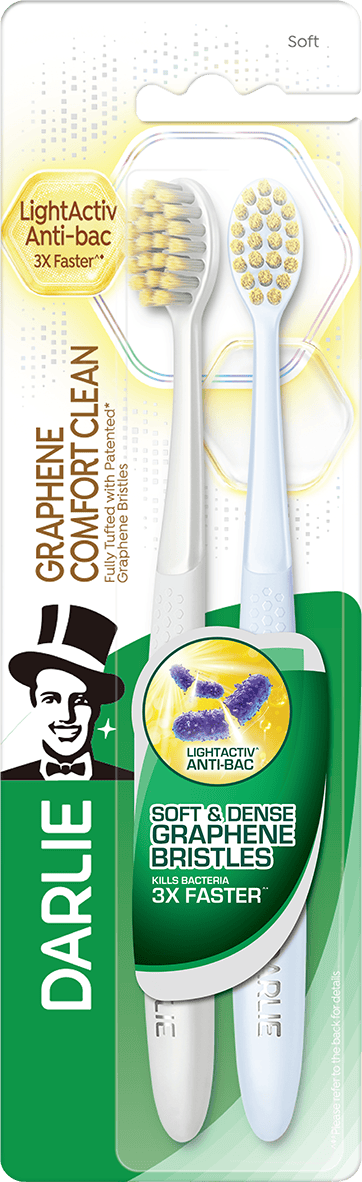
Start by rinsing your guard with cool water after every use. Clean it gently with a mild soap and a soft toothbrush to remove any plaque or bacteria. Avoid using hot water, as it can warp the material and ruin the fit. When choosing a cleaning tool, opt for toothbrushes with soft bristles, like the DARLIE Graphene Comfort Toothbrush. Its LightActiv Graphene Bristles and 3X more bristles, ultra-soft and dense design help provide a gentle brushing experience for cleaning your guard — plus it kills 99% of bacteria 3X faster when exposed to light, supporting a more hygienic clean. Its high-density plush bristles ensure gentle care for both the guard and your gums. Finally, always store your dry mouth guard Singapore in its ventilated case to help reduce moisture buildup.
Disclaimer: If you have persistent jaw pain, damaged teeth, headaches, or suspect severe teeth grinding, consult a dentist for proper diagnosis and treatment. A night guard can help protect teeth, but it does not replace professional dental advice.

Rebuild the Defense, Daily Care for Worn Enamel
While a night guard protects your teeth from further damage, it’s equally important to care for enamel that may already be weakened. 6 Adopting a gentle yet effective oral care routine can help strengthen your teeth’s natural defences.
Step 1: Switch to an Ultra Soft Brush
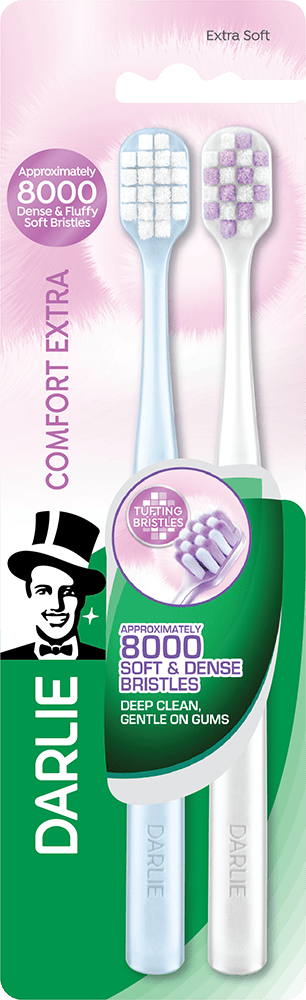
Teeth affected by bruxism often have abrasions, weakened enamel, or even micro-cracks. Brushing with medium or hard bristles can further irritate stressed gums. The fix is to switch to a gum-friendly toothbrush. The NEW DARLIE Comfort Extra Toothbrush is an excellent choice, featuring 8,000 high-density cube-inspired bristle tufts that apply up to 62% less pressure on gums compared to a standard tapered bristle brush. Its 15mm wide-head design ensures efficient coverage, and the smart bristle spacing promotes better rinse-through and drying, while the dense tufts create a rich foam when used with toothpaste for a thorough clean.
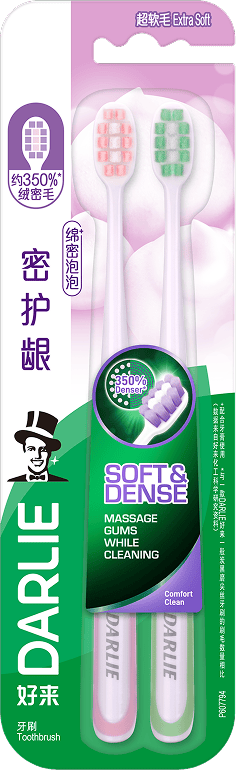
For additional softness, the DARLIE High Density Gumcare Toothbrush is another outstanding option. Its advanced square bristle tufting technology delivers 350% denser and softer bristles than a normal toothbrush. The 0.01mm slim tip extra soft bristles gently massage your gums and clean deep between teeth, while the high-density arrangement easily generates fine foam for deep overall cleansing — without aggressively scrubbing vulnerable enamel.
If you prefer an antibacterial option, the DARLIE Gentle Comfort Toothbrushes are designed for comfort and protection. Its 220% Ultra Soft Charcoal Bristles infused with nano charcoal particles provide exceptional gentleness, while the 99.9% Antibacterial Bristles add a layer of antimicrobial protection — ideal for teeth already stressed by grinding.

Step 2: Choose an Enamel-Fortifying Toothpaste
Pair your soft toothbrush with a toothpaste specially formulated to strengthen the tooth barrier and support enamel care. DARLIE Double Action Enamel Protect Strong Mint Toothpaste is designed for this purpose. Its Enamel Protect Formula strengthens tooth enamel and protects teeth by reducing decalcification. Added fluoride helps strengthen teeth and prevent cavities, while a superfine cleaning agent cleans teeth thoroughly. Enriched with natural spearmint and peppermint essence, it keeps your breath fresh with its original Strong Mint flavour, so you can care for your enamel while maintaining confident freshness.

Conclusion and Call to Action
Waking up with jaw pain and headaches doesn’t have to be your new normal. By understanding the causes and symptoms of bruxism, you can take proactive steps to manage it effectively. A custom-fitted night guard is your best defence against the nightly grind, while a dedicated oral care routine — featuring gentle tools like the DARLIE Comfort Extra Toothbrush, DARLIE High Density Toothbrush, or DARLIE Gentle Comfort Toothbrushes, paired with DARLIE Double Action Enamel Protect Strong Mint Toothpaste — helps rebuild your smile’s defences. Don’t let bruxism compromise your oral health. Protect your smile with the right tools and seek professional advice from your dentist.
1. Bruxism (Teeth Grinding) - https://www.mayoclinic.org/diseases-conditions/bruxism/symptoms-causes/syc-20356095
2. Teeth Grinding (Bruxism) - https://my.clevelandclinic.org/health/diseases/10955-teeth-grinding-bruxism
3. Genetic Factors in Bruxism - https://pubmed.ncbi.nlm.nih.gov/39490028/
4. Sleep and TMJ - https://www.singhealth.com.sg/about-singhealth/newsroom/defining-med/Documents/defining-med-sleep-jul-2023.pdf
5. Bruxism - https://www.nidcr.nih.gov/health-info/bruxism
6. Bruxism Diagnosis and Treatment - https://www.mayoclinic.org/diseases-conditions/bruxism/diagnosis-treatment/drc-20356100
2. Teeth Grinding (Bruxism) - https://my.clevelandclinic.org/health/diseases/10955-teeth-grinding-bruxism
3. Genetic Factors in Bruxism - https://pubmed.ncbi.nlm.nih.gov/39490028/
4. Sleep and TMJ - https://www.singhealth.com.sg/about-singhealth/newsroom/defining-med/Documents/defining-med-sleep-jul-2023.pdf
5. Bruxism - https://www.nidcr.nih.gov/health-info/bruxism
6. Bruxism Diagnosis and Treatment - https://www.mayoclinic.org/diseases-conditions/bruxism/diagnosis-treatment/drc-20356100
Frequently Asked Questions
No, night guards do not cure the underlying cause of bruxism. They are a protective tool designed to manage the symptoms and help prevent dental damage.5 A night guard acts as a shield, but addressing root causes such as stress is important for long-term management.
Yes, there is a strong link. Stress and anxiety are among the leading causes of teeth grinding.2 During periods of high stress, increased muscle tension in the jaw can contribute to clenching and grinding during sleep.
The lifespan of a mouthguard for sleeping depends on the severity of your grinding and the material of the guard. Heavy grinders may wear through a guard faster than light grinders. Look for signs of wear, such as cracks, thinning, or a loose fit. It’s important to bring your guard to your dental appointments and consult your dentist for personalised advice on when a replacement is needed.
Recommended Products