Filtered by Oral Health Goal
A mouth ulcer is a small, shallow sore that appears inside your mouth, on your gums, tongue, or the inner lining of your cheeks and lips1. While they can be uncomfortable, they are very common, usually not contagious, and are often referred to as canker sores.
Most minor mouth ulcers heal on their own within 7–14 days2. When people search for “how to heal mouth ulcers fast,” it usually means:
It also helps to know what you are dealing with. Mouth ulcers are often confused with other oral conditions.
| Feature | Mouth Ulcer (Canker Sore) | Cold Sore (Fever Blister) | Oral Thrush |
| Location | Inside the mouth: cheeks, lips, tongue, gums | Outside the mouth: on or around the lips | Inside the mouth: on the tongue and cheeks |
| Appearance | Round, white or yellow sore with a red border | Small, fluid-filled blisters that crust over | Creamy white patches, sometimes red and sore |
| Contagious? | No | Yes, highly contagious | No |
| Main Cause | Trauma, stress, nutrition (non-viral) | Herpes simplex virus (HSV-1) | Overgrowth of Candida fungus |
Mouth Ulcer Causes: Why Do They Happen?
Physical irritation or mouth trauma
One of the most common mouth ulcer causes is minor injury to the delicate tissue inside your mouth. This can happen from:
Stress, poor sleep, and lifestyle factors
Your overall well-being plays a role in oral health3.
Hormonal changes
For some people, hormonal shifts, such as those during the menstrual cycle, may trigger mouth ulcers1.
Nutritional deficiencies
Low levels of certain vitamins and minerals may be linked to recurring mouth ulcers4. Nutrients often discussed include:
Food sensitivities and acidic triggers
Certain foods can either trigger ulcers in sensitive individuals or make an existing sore sting more. Common examples include:
Recurring mouth ulcers: when they may point to a deeper issue
While occasional ulcers are common, frequent, severe, or persistent sores may need professional review. Recurring mouth ulcers should not be ignored, especially if they interfere with eating, drinking, or daily comfort.

How Long Do Mouth Ulcers Last?
The healing process for a minor mouth ulcer usually follows a predictable pattern5:
| 1. | Early tingling or burning stage: you may notice a sore spot before the ulcer becomes visible. |
| 2. | Open sore stage: a round, white or yellow sore with a red border appears, and this is often the most painful stage. |
| 3. | Healing stage: the sore gradually shrinks and becomes less uncomfortable as new tissue forms. |
Most minor ulcers clear within 7–14 days without scarring2. Larger or deeper ulcers can take longer to heal.
Realistic mouth ulcer relief usually means less pain, less irritation, and a smoother healing process rather than an instant cure.
5 Home Relief Remedies for Mouth Ulcer Relief

1. Warm salt water rinse
A warm salt water rinse helps cleanse the area and soothe the sore.
2. Baking soda rinse or soft paste
Baking soda may help reduce acid irritation in the mouth6.
3. Cold therapy
Ice chips or cool rinses can temporarily numb discomfort and reduce swelling.
4. Protective gels, barrier pastes, or topical OTC relief
Barrier products can help shield the ulcer from friction and food, while numbing gels may ease pain7.
5. Soft-food and low-acid diet adjustments
A soft, bland diet can reduce irritation while the sore heals.
Quick remedy summary table
| Remedy | How It Helps | Best Time to Use | Caution or Tip |
| Warm salt water rinse | Cleanses and soothes | Morning, evening, and after meals | Use warm, not hot, water. |
| Baking soda rinse or paste | May reduce acid irritation | After irritating foods or as needed | A paste may sting briefly. |
| Cold therapy | Numbs pain and calms swelling | Before meals or when sore | Do not hold ice in one spot too long. |
| Protective gels or OTC relief | Helps shield and soothe | Before meals or bedtime | Follow product instructions carefully. |
| Soft-food and low-acid diet | Reduces friction and stinging | Throughout healing | Choose bland foods and eat slowly. |
Daily Care Tips to Support Healing
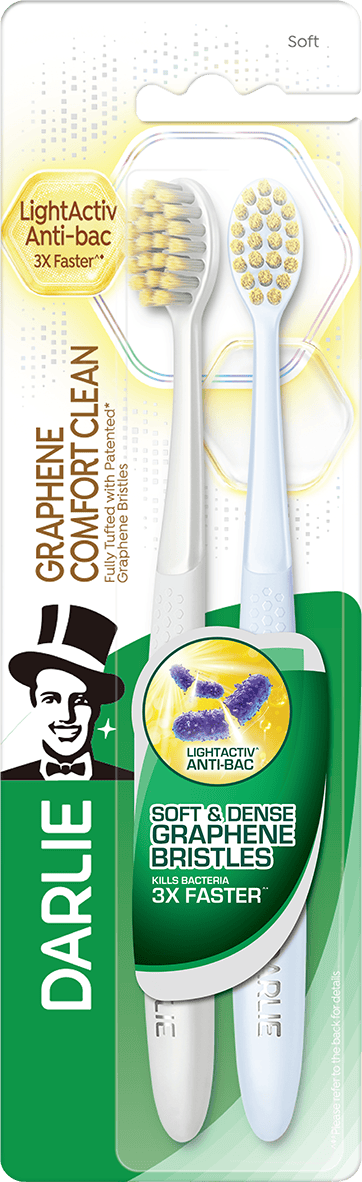
Drink water regularly to keep the mouth comfortable. Use a straw if sipping is painful. Brush gently with a soft-bristled toothbrush and keep oral care consistent without over-scrubbing. A gentle brush can help reduce accidental irritation while still cleaning effectively. The DARLIE Graphene Comfort Clean toothbrush uses LightActiv² Graphene Bristles that kill 99% of bacteria 3X faster when exposed to light, and its ultra-soft, dense head has 3X more bristles for a comfortable brushing experience.

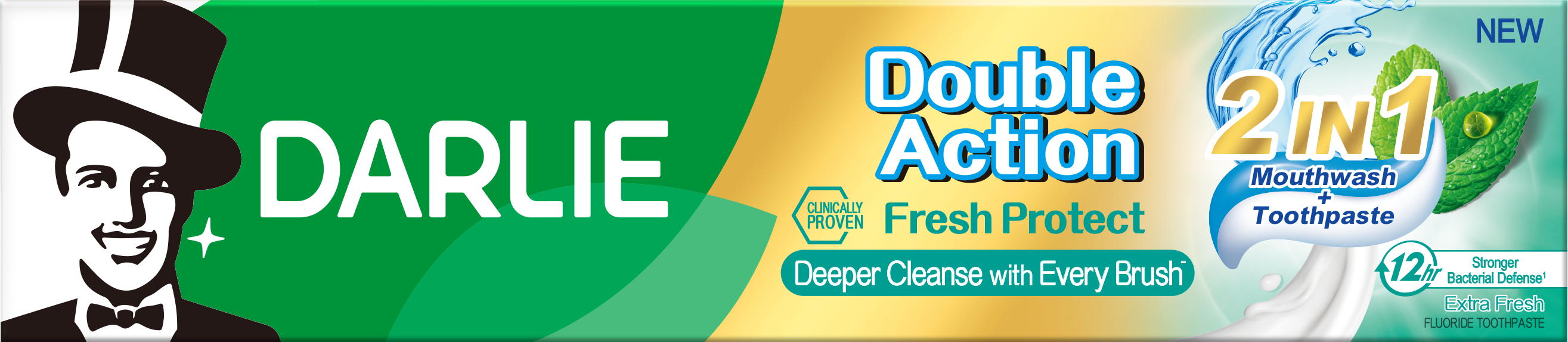
A gentle toothpaste can also help keep your routine comfortable. DARLIE Double Action Fresh Protect 2in1 Mouthwash Toothpaste combines 2X freshness with LiquiDual technology for a deeper cleanse between gaps, while also offering 12-hour bacterial defense, 3X plaque removal power, clinically proven bad-breath and gum protection support, and 100% natural mint essence for lasting freshness.
How to Help Prevent Recurring Mouth Ulcers
Choose non-irritating oral care products, brush with moderate pressure instead of scrubbing hard, maintain flossing or interdental cleaning, support nutrition with iron, folate, and B vitamins, and manage stress while aiming for enough sleep.
For people who want a gentler brushing experience, the DARLIE Gentle & Charcoal Comfort Toothbrushes feature 220% ultra soft charcoal bristles, 99.9% antibacterial bristles, and nano charcoal particles that help deliver comfort and care while reducing irritation during daily brushing.

When to See a Professional
Seek advice from a dentist or doctor if a mouth ulcer lasts longer than 2–3 weeks. You should also get professional help if ulcers are very large, extremely painful, frequent or recurring, or accompanied by fever, swelling, rash, or trouble drinking4.
A pharmacist may also suggest suitable soothing options for temporary relief, but persistent ulcers should not be ignored.
Conclusion
Most mouth ulcers are common and usually heal naturally with time. Understanding possible mouth ulcer causes, using gentle home relief, avoiding foods and habits that irritate the sore, and watching for warning signs that need professional care can all make the healing process easier and more manageable.
1. Mouth ulcers | NHS - https://www.nhs.uk/conditions/mouth-ulcers/?fromsection=inarticle§ioninfo=5095998
2. Mouth ulcers - NHS - https://www.nhs.uk/conditions/mouth-ulcers/
3. Canker sore: MedlinePlus Medical Encyclopedia - https://medlineplus.gov/ency/article/000998.htm
4. Fever Blisters & Canker Sores - National Institute of Dental and Craniofacial Research - https://www.nidcr.nih.gov/health-info/fever-blisters-canker-sores
5. Guideline for the Diagnosis and Treatment of Recurrent Aphthous Stomatitis for Dental Practitioners - https://pmc.ncbi.nlm.nih.gov/articles/PMC4441245/
6. Sore mouth | Cambridge University Hospitals NHS Foundation Trust - https://www.cuh.nhs.uk/patient-information/sore-mouth/
7. Canker Sores - MedlinePlus - https://medlineplus.gov/cankersores.html
8. Recurrent aphthous stomatitis - https://pmc.ncbi.nlm.nih.gov/articles/PMC3227248/
2. Mouth ulcers - NHS - https://www.nhs.uk/conditions/mouth-ulcers/
3. Canker sore: MedlinePlus Medical Encyclopedia - https://medlineplus.gov/ency/article/000998.htm
4. Fever Blisters & Canker Sores - National Institute of Dental and Craniofacial Research - https://www.nidcr.nih.gov/health-info/fever-blisters-canker-sores
5. Guideline for the Diagnosis and Treatment of Recurrent Aphthous Stomatitis for Dental Practitioners - https://pmc.ncbi.nlm.nih.gov/articles/PMC4441245/
6. Sore mouth | Cambridge University Hospitals NHS Foundation Trust - https://www.cuh.nhs.uk/patient-information/sore-mouth/
7. Canker Sores - MedlinePlus - https://medlineplus.gov/cankersores.html
8. Recurrent aphthous stomatitis - https://pmc.ncbi.nlm.nih.gov/articles/PMC3227248/
Frequently Asked Questions
A: No. Common mouth ulcers, also called canker sores, are not contagious. This is one of the main differences between mouth ulcers and cold sores.
A: There is no instant cure, but you can often feel better faster by reducing irritation. Warm salt water rinses, cold therapy, protective gels, and avoiding spicy or acidic foods can all help relieve discomfort while the ulcer heals.
A: Recurring mouth ulcers may be linked to stress, nutritional deficiencies, hormonal changes, food sensitivities, or irritation from brushing and dental appliances8. If they happen often, it is worth speaking with a healthcare professional.
A: Yes, for some people. Switching to a gentler oral care routine and avoiding products that sting sensitive tissue may help reduce irritation and make brushing more comfortable.
Recommended Products