
Filtered by Oral Health Goal
Imagine this: Your child approaches you, wincing in pain and pointing to their tiny teeth. You feel a pang of concern, knowing that tooth decay kids is more than just a minor issue—it's a common problem that many children face. Tooth decay, often known as cavities, occurs when bacteria produce acids that gradually wear away the protective enamel on teeth. This can be especially worrisome for kids, who naturally gravitate toward sugary snacks and sometimes struggle with perfect oral hygiene. In this guide, we'll explore practical tips and advice for preventing tooth decay in kids, ensuring they enjoy a lifetime of healthy smiles.
Understanding Tooth Decay in Children
What is Tooth Decay?
Tooth decay, or cavities, is a condition where the hard surface of the teeth is damaged by acids created from bacterial metabolism. These bacteria feast on sugars found in food and drinks, leading to prolonged acid attacks on tooth enamel—a process that can result in tooth decay in kids if preventive measures aren’t in place.1

Causes of Tooth Decay
Several factors contribute to tooth decay in children:

Risk Factors for Kids' Tooth Decay
A few common habits or conditions increase the risk of decay in children:
Addressing these factors early on can help ensure healthy teeth and protect kids from potential pain and future dental issues.

Establishing a Solid Oral Hygiene Routine
Building good oral habits early is essential for a lifetime of healthy smiles. Here are some straightforward steps to create an effective routine:
Start Early
Good dental care starts even before the first tooth emerges. Wipe your baby’s gums gently with a soft, clean cloth to remove any bacteria and food debris. This sets the stage for a healthy mouth as more teeth appear.

Brushing Techniques for Kids
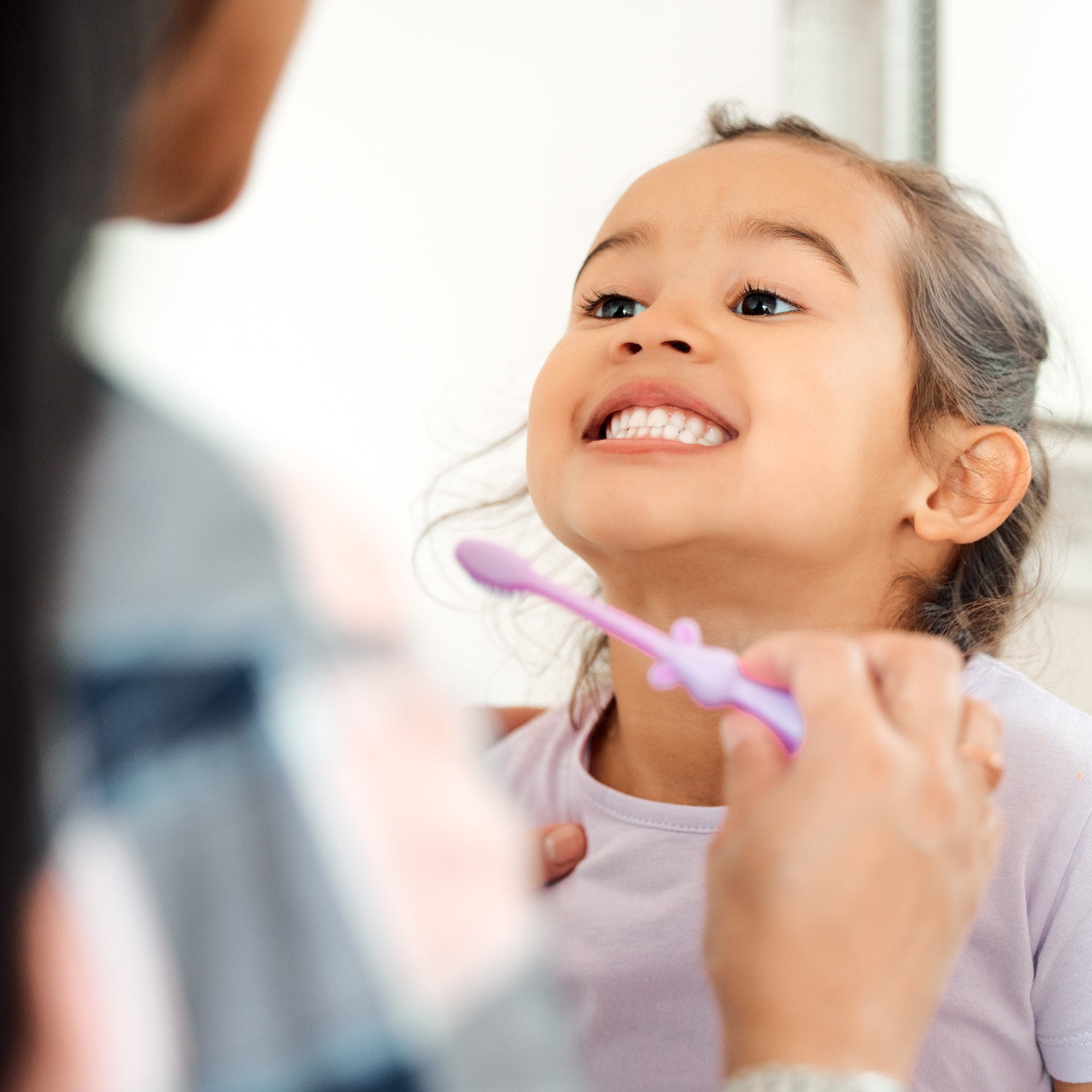
Introducing proper brushing techniques is crucial to prevent tooth decay:
Fluoride Toothpaste
Using fluoride toothpaste is key to strengthening enamel and preventing decay:

Flossing
Once your child’s teeth start touching, introduce flossing. Flossing removes food particles from between the teeth where toothbrush bristles may not reach, reducing the chance of decay.

Making Brushing Fun
Turn brushing time into a playful, engaging part of the day:

Diet and Nutrition for Healthy Teeth
Balanced nutrition plays a significant role in preventing tooth decay:
Limit Sugary Drinks and Snacks
Sugar is the main enemy when it comes to dental health. Explain to your child that too much sugar can feed harmful bacteria, leading to decay. Instead, encourage water, milk, and whole fruits or vegetables.

Smart Snacking Habits
Opt for snacks that are kinder to teeth:

The Importance of Water
Drinking water, especially after meals, helps rinse away food particles and neutralize acids, contributing to healthier teeth.

Regular Dental Checkups and Preventive Treatments

First Dental Visit
It’s recommended that your child have their first dental visit within six months of their first tooth appearing or by the age of one.3 Early visits can set the foundation for a lifetime of dental health.

The Value of Regular Checkups
Regular dental appointments are essential to:
Detect dental issues early before they worsen.
Provide professional cleaning and fluoride treatments.
Apply dental sealants—a protective coating on the molars that can prevent decay, typically recommended around age 6 when permanent molars come in.4
Addressing Common Concerns and Questions

My Child Hates Brushing – What Can I Do?
If your child resists brushing, try making the experience more engaging. Play their favorite song, tell a fun story during brushing, or create a reward system for consistent practice. Positive reinforcement can work wonders.
Is Fluoride Safe for My Child?
Yes, when used as directed, fluoride is a safe and effective means to strengthen enamel and prevent decay.5. Always monitor the amount used, especially in younger children.
What are the Signs of Tooth Decay in Kids?
Be on the lookout for:
When Should My Child Start Using Mouthwash?
Mouthwash is typically introduced when your child can rinse and spit effectively. Look for alcohol-free versions designed specifically for kids to ensure safe usage.
Preventing tooth decay in kids is a multi-pronged effort that involves solid daily oral hygiene, smart dietary choices, and regular dental checkups. By instilling these healthy habits from an early age, you can set your child on a path to a lifetime of healthy smiles and confidence. A few simple changes—like using the right products—can make a significant difference. Remember, a healthy smile starts with you. Taking the time to develop these habits not only helps prevent tooth decay in kids but also builds a foundation for overall well-being. Explore the listed products and tips to transform your child’s dental routine into a delightful experience, and watch those bright smiles grow! For more information on our kid-friendly oral care products and additional tips on maintaining your child’s dental health, feel free to visit the DARLIE Kids Care page. Happy brushing!
References:
1. https://www.schwimmerdental.com/blog/sugars-effect-on-teeth
2. https://www.ncbi.nlm.nih.gov/books/NBK587342/
3. https://www.mouthhealthy.org/life-stages/babies-and-kids/first-dental-visit-for-baby
4. https://www.cdc.gov/oral-health/prevention/about-dental-sealants.html
5. https://www.cdc.gov/fluoridation/about/statement-on-the-evidence-supporting-the-safety-and-effectiveness-of-community-water-fluoridation.html
*Over 80% of ingredients in formulate meet food grade standard.
1. https://www.schwimmerdental.com/blog/sugars-effect-on-teeth
2. https://www.ncbi.nlm.nih.gov/books/NBK587342/
3. https://www.mouthhealthy.org/life-stages/babies-and-kids/first-dental-visit-for-baby
4. https://www.cdc.gov/oral-health/prevention/about-dental-sealants.html
5. https://www.cdc.gov/fluoridation/about/statement-on-the-evidence-supporting-the-safety-and-effectiveness-of-community-water-fluoridation.html
*Over 80% of ingredients in formulate meet food grade standard.
Recommended Products


