Filtered by Oral Health Goal
That sharp, electric “zing” that hits when you take a bite of ice cream or a sip of hot tea—unexpected and painful enough to ruin a great meal. You are not alone in this uncomfortable sensation; surveys suggest that nearly 1 in 3 adults experience this discomfort at some point.1 While it might feel like a minor annoyance, that wince is a signal that your enamel is thinning or your gums are receding, leaving your nerves vulnerable to every temperature change.
This guide demystifies the search for a good toothpaste for sensitive teeth. From understanding key pain-blocking ingredients to selecting the best sensitive teeth toothpaste for your daily routine, we help you reclaim your favourite foods and understand why the right sensitive toothpaste is your first line of defence. DARLIE offers a targeted range of oral care products designed to address sensitivity from multiple angles.
What Causes Sensitive Teeth?
Tooth sensitivity, known clinically as dentin hypersensitivity, occurs when the protective layers of your teeth become compromised. Understanding the root causes is the first step toward choosing the right sensitive teeth toothpaste to manage your daily triggers.
Enamel Erosion
Enamel is the hard outer shell that shields the softer dentin underneath. Over time, acidic foods, aggressive brushing, and teeth grinding can gradually wear this protective layer away, exposing the microscopic tubules in the dentin where nerve pathways reside.2 Once these tubules are open, temperature changes from hot coffee to cold water travel directly to the nerve, producing that familiar uncomfortable sensation. Left unchecked, enamel erosion can accelerate plaque build-up on weakened surfaces and increase the risk of tooth loss.
Gum Recession
Gum recession occurs when the gum tissue pulls away from the tooth surface, exposing the sensitive root area that lacks enamel protection.3 The root is covered only by a thin layer of cementum, making it far more susceptible to stimuli. Contributing factors include overly hard brushing, periodontal disease, and genetics. As gums recede, plaque and tartar can accumulate along the newly exposed root, compounding the problem and heightening the uncomfortable sensation with each meal.
Tooth Decay & Gum Issues
Tender, bleeding, or swollen gums are often signs of an inflamed and infected gumline, commonly associated with gingivitis or periodontitis. These conditions weaken the supporting structures around your teeth, leading to heightened sensitivity and discomfort. If left untreated, ongoing gum disease can prevent damaged tissue from healing properly and may eventually contribute to tooth loss. Cavities also create direct pathways to the nerve, amplifying pain with every bite.1
How These Factors Contribute to Discomfort
Each of these causes shares a common outcome: the dentin layer or root surface becomes exposed, allowing external stimuli to reach the nerve endings inside the tooth. Whether the culprit is worn enamel, receding gums, or active decay, the result is the same sharp, sudden pain that makes everyday eating and drinking a challenge. This is why selecting a toothpaste for sensitive teeth that addresses both nerve sensitivity and enamel protection is essential for reducing and preventing further discomfort.

What to Look for in Sensitive Teeth Toothpaste?
Not every sensitive toothpaste works the same way. The key lies in its active ingredients and how they target the source of your discomfort. Here are the most effective components to look for when choosing the best sensitive teeth toothpaste.
Potassium Nitrate System
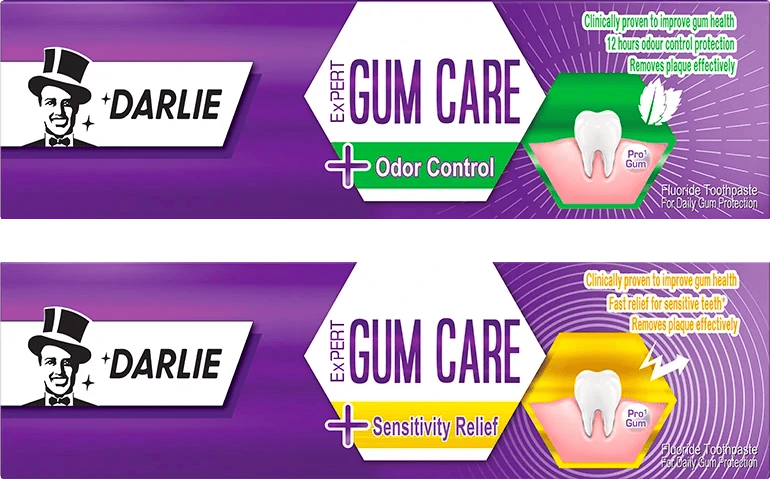
Potassium nitrate is widely regarded as the gold-standard desensitizing agent in oral care. It works by calming the nerve endings inside your teeth, reducing the pain signals sent to your brain with each exposure to hot or cold stimuli. The DARLIE Expert Gum Care Toothpaste (Sensitivity Relief) harnesses this potassium nitrate system efficacy in a clinically proven formula that provides fast relief and protects from sensitivity in just two weeks. This advanced toothpaste is also clinically proven to improve gum health by killing 99.9% of oral bacteria, resulting in 300% more plaque reduction—delivering 3X plaque removal power to help reduce plaque accumulation around the gumline.4

Zinc Citrate
Zinc citrate is a powerful addition found in the DARLIE Expert Gum Care Toothpaste (Odor Control), which works alongside with Potassium Nitrate System which is a desensitizing agent to provide 12 hours of odour protection and keep breath fresh while managing sensitivity. Beyond freshness, this Bio-Gum formula strengthens teeth by helping to prevent tooth decay and reinforce enamel. It is clinically proven to improve gum health by killing 99.9% of oral bacteria and delivering 300% more plaque reduction to protect gums and help reduce and prevent bleeding and swollen gum tissue, while also providing fast sensitivity relief for sensitive teeth in just two weeks.4

Fluoride
Fluoride is essential for remineralising the protective outer layer of your teeth. It helps repair early-stage enamel damage by depositing minerals back into weakened areas, rebuilding the barrier over exposed dentin and shielding it from sensitivity triggers. The DARLIE Double Action Enamel Protect Strong Mint Toothpaste is specifically formulated with added fluoride to strengthen tooth enamel—your smile’s first line of defence. It protects teeth by reducing decalcification and contains a superfine cleaning agent that cleans teeth thoroughly, while its enriched natural spearmint and peppermint essence keeps your breath minty fresh with the original Strong Mint flavour.

Strontium Chloride
Strontium chloride takes a different approach to managing sensitivity. Rather than calming the nerve directly, it works by physically blocking the exposed dentinal tubules—the microscopic channels in the dentin that allow stimuli to reach the nerve endings. Strontium ions form a protective barrier over these tubules, reducing the transmission of pain signals from temperature changes or sweet and acidic foods. With consistent use, strontium chloride can help provide gradual, sustained relief from sensitivity. It is often found alongside other desensitizing agents in toothpaste formulations for a combined approach to sensitivity management.
Importance of Gentle Formulation for Sensitive Gums
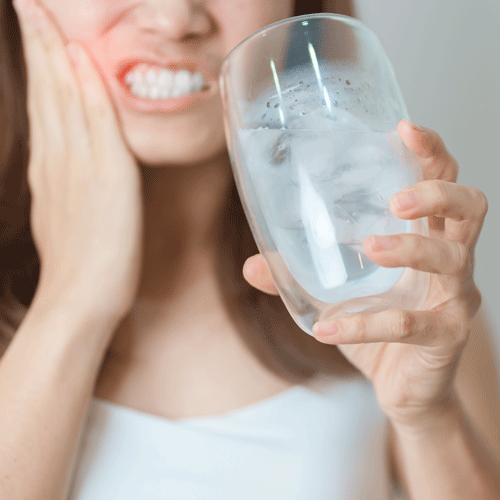
When your gums are already tender or inflamed, the last thing you need is a harsh toothpaste that aggravates the problem. A gentle formulation—free from excessive abrasives—ensures that you can clean your teeth effectively without further irritating sensitive gum tissue. Look for a sensitive toothpaste that combines active desensitizing ingredients with a mild base to deliver relief and thorough cleaning in one step.
How Does Sensitive Toothpaste Work?
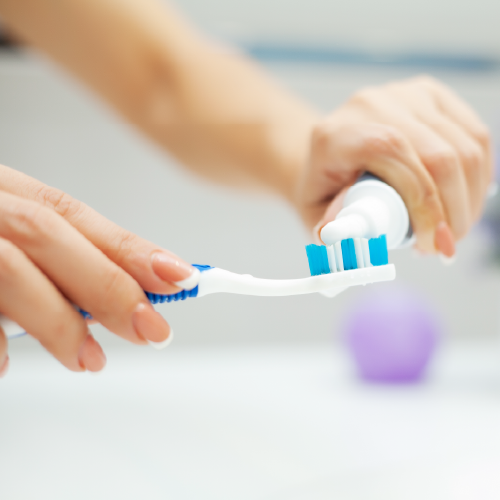
Understanding how sensitive toothpaste works can help you use it more effectively and set realistic expectations for relief. Most formulations target sensitivity through two complementary mechanisms.
Blocking Nerve Signals
Desensitizing agents like potassium nitrate work by penetrating the exposed dentin tubules and calming the nerve fibres within. Over time, regular application raises the potassium concentration around the nerve, reducing its ability to fire pain signals. This is why consistent, twice-daily use is key—each brushing session reinforces the desensitizing effect, gradually reducing the uncomfortable sensation triggered by hot, cold, sweet, or acidic stimuli.
Strengthening Enamel
Fluoride and other remineralising agents in sensitive toothpaste help rebuild weakened enamel by depositing calcium and phosphate back into the tooth surface. This strengthens the protective barrier over the dentin, sealing the tubules and reducing their exposure to external triggers. Over weeks of regular use, the enamel becomes more resistant to acid attacks and everyday wear, offering a second layer of long-term defence against sensitivity.
Benefits of Regular Use for Long-Term Relief
While a single use of sensitive toothpaste may provide some immediate comfort, the real benefits come with sustained, daily use. Most clinically proven formulations like the DARLIE Expert Gum toothpaste range (Odor Control and Sensitivity Relief variants) require at least two weeks of twice-daily brushing to deliver measurable results. Over this period, the combined action of nerve calming and enamel strengthening builds a cumulative defence that keeps sensitivity at bay, allowing you to enjoy your favourite foods and drinks without hesitation.

How to Use Sensitive Toothpaste Effectively?
Recommended Brushing Techniques
Using a soft-bristled brush is critical to prevent further enamel wear and gum irritation. Angle your toothbrush at 45 degrees to the gumline and use gentle, circular motions rather than aggressive back-and-forth scrubbing. Spend at least two minutes per session, ensuring every surface—front, back, and chewing edges—receives equal attention. Pair your sensitive toothpaste with DARLIE’s gum-friendly toothbrush ranges to maximise the benefits of your routine.

High-Density Bristles for Gentle Massage
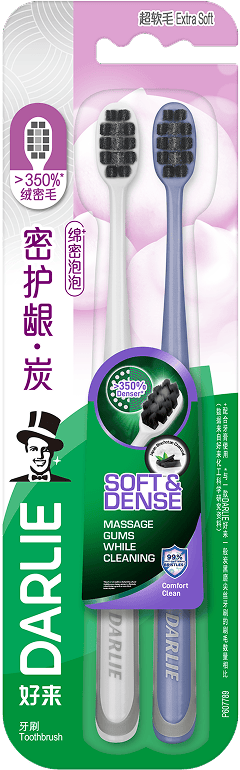
Ultra-soft, densely packed bristles clean effectively without aggressive abrasion to already-sensitive gums and teeth. The DARLIE High Density Charcoal Gum Care Toothbrush features an advanced square bristles turfing technology that enables over 350% denser bristles than a normal toothbrush,5 providing soft and velvety bristles that gently massage your gums. Powered by Japanese Binchotan Charcoal, the bristles help prevent bacteria growth on bristles by 99%,6 while the 0.01mm slim tip bristles7 thoroughly clean in-between teeth. When used together with toothpaste, the bristles also help generate fine foam for deep overall cleansing.8

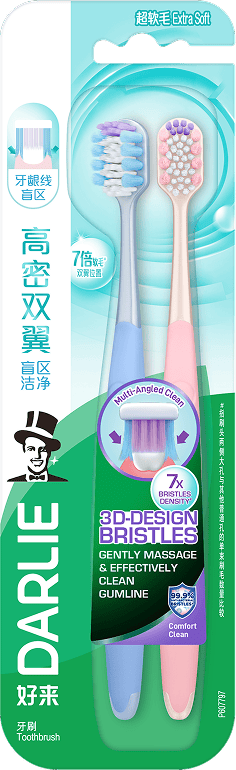
The DARLIE High Dense Clean Toothbrush is another excellent option, engineered with 3D-design bristles for multi-angle cleaning of gums and teeth. Its front purple bristles clean between teeth gaps, the shorter middle white bristles clean irregular tooth surfaces, and the 7X denser side bristles of 13mm in length effectively clean gumlines and remove residues stuck in between teeth and gum lines. With over 300% slim-tipped soft bristles and a total bristle count of 5,300 in an ergonomic handle, it delivers comprehensive coverage without pressure on sensitive areas.

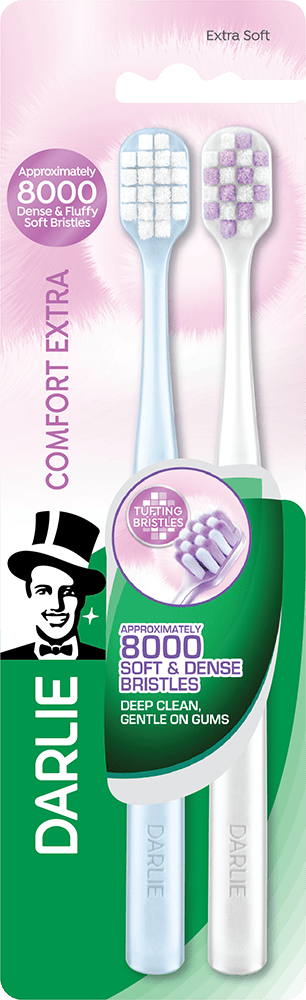
For those who prioritise ultra-gentle care, the DARLIE Gentle & Charcoal Comfort Toothbrushes feature 220% ultra-soft charcoal bristles infused with nano charcoal particles, providing 99.9% antibacterial bristle protection for a brushing experience filled with comfort and care. The NEW DARLIE Comfort Extra Toothbrush rounds out the range with 8,000 high-density cube-inspired bristle tufts and a 15mm wide-head design that delivers up to 62% less pressure on gums.9 Its smart bristle spacing ensures better rinse-through and drying, while creating rich foam when used with toothpaste for efficient and gentle cleaning.

Antibacterial Bristles for Superior Hygiene
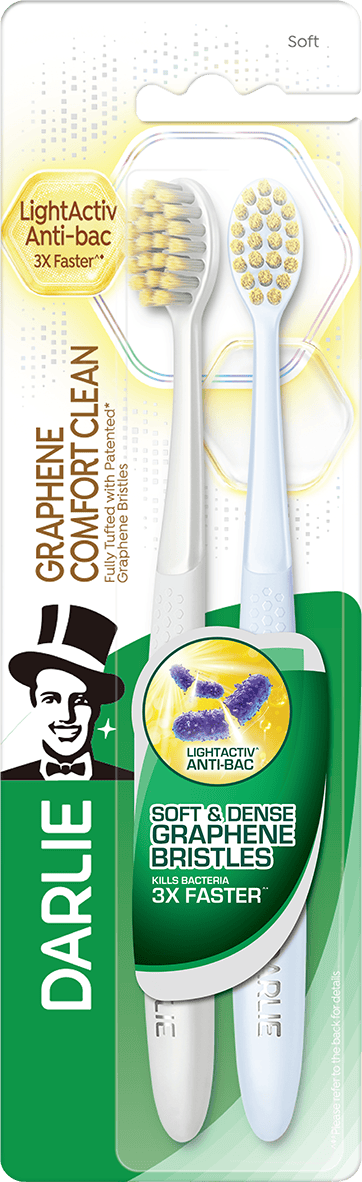
For an added layer of protection between brushings, choose a toothbrush with antibacterial bristle technology. The DARLIE Graphene Comfort Clean Toothbrush features LightActiv Graphene Bristles that kill 99% of bacteria 3X faster when exposed to light, keeping the brush itself cleaner between uses. Its high-density plush bristles are ultra-soft and 3X denser than standard brushes, providing gentle gum care while remaining effective on sensitive areas.

Frequency of Use for Optimal Results
Brush at least twice daily—once in the morning and once before bed. Consistency is the single most important factor in achieving lasting sensitivity relief. Avoid rinsing your mouth immediately after brushing; instead, spit out the excess and allow the active ingredients to remain on your teeth for continued protection.

Additional Oral Care Tips for Sensitive Teeth
Beyond brushing, limit highly acidic foods and beverages that can accelerate enamel erosion. Use a fluoride mouthwash to strengthen enamel between brushings. Avoid clenching or grinding your teeth, as this wears down the protective layers faster. Most importantly, schedule regular dental check-ups to catch early signs of gum recession or decay before they worsen.

Conclusion
Choosing a scientifically backed toothpaste for sensitive teeth is one of the most practical steps you can take to manage daily triggers and protect your long-term oral health. Tooth sensitivity is often an early warning sign of gum health issues—by using targeted ingredients like potassium nitrate and zinc citrate, you can soothe tender gum tissues while blocking pain signals at the nerve level. DARLIE’s range of toothpaste variants—including the Expert Gum Care Toothpaste (Sensitivity Relief) for fast, clinically proven relief, the Expert Gum Care Toothpaste (Odor Control) for dual sensitivity and freshness protection, and the Double Action Enamel Protect Strong Mint Toothpaste for enamel reinforcement—work alongside DARLIE’s gum-friendly toothbrush range to deliver comprehensive, long-term defence.
Explore DARLIE’s range of oral care products for comprehensive dental health.
1. Sensitive Teeth (Cleveland Clinic) - https://my.clevelandclinic.org/health/articles/sensitive-teeth
2. Tooth Erosion (Cleveland Clinic) - https://my.clevelandclinic.org/health/diseases/tooth-erosion
3. Gum Recession (Cleveland Clinic) - https://my.clevelandclinic.org/health/diseases/22753-gum-recession
4. Anonymous. (2014). The Comparative Efficacy of two Toothpastes Containing 2% Zinc Citrate as compared to a Placebo Toothpaste in Controlling Established Plaque and Gingivitis. 1-10.
5. Comparing with the bristle amount of a DARLIE Charcoal Tapered Bristle Toothbrush.
6. Based on test result on Escherichia coli and Staphylococcus aureus, proven to effectively reduce bacterial growth on bristles.
7. Bristle tip is less than 0.01mm.
8. When used together with toothpaste.
9. Compared to a general DARLIE tapered bristle toothbrush.
2. Tooth Erosion (Cleveland Clinic) - https://my.clevelandclinic.org/health/diseases/tooth-erosion
3. Gum Recession (Cleveland Clinic) - https://my.clevelandclinic.org/health/diseases/22753-gum-recession
4. Anonymous. (2014). The Comparative Efficacy of two Toothpastes Containing 2% Zinc Citrate as compared to a Placebo Toothpaste in Controlling Established Plaque and Gingivitis. 1-10.
5. Comparing with the bristle amount of a DARLIE Charcoal Tapered Bristle Toothbrush.
6. Based on test result on Escherichia coli and Staphylococcus aureus, proven to effectively reduce bacterial growth on bristles.
7. Bristle tip is less than 0.01mm.
8. When used together with toothpaste.
9. Compared to a general DARLIE tapered bristle toothbrush.
Frequently Asked Questions
The best sensitive teeth toothpaste depends on the specific cause of your sensitivity. If nerve sensitivity is your primary concern, look for a potassium nitrate-based formula like the DARLIE Expert Gum Care Toothpaste (Sensitivity Relief). If enamel erosion is the main issue, a high-fluoride option such as the DARLIE Double Action Enamel Protect Strong Mint Toothpaste may be more suitable. For those dealing with both sensitivity and persistent bad breath, the DARLIE Expert Gum Care Toothpaste (Odor Control) offers dual relief with 12-hour odour protection.
Most clinically proven sensitive toothpaste formulations deliver noticeable relief within two weeks of consistent, twice-daily use. Full benefits, including strengthened enamel and reduced nerve response, typically build over four to eight weeks. The key is not to give up after a few days—allow the active ingredients time to accumulate and take effect.
Sensitive toothpaste is generally well tolerated and safe for daily use. Some users may experience a mild change in taste or temporary tingling when first switching to a desensitizing formula. If irritation occurs or symptoms persist beyond a few weeks, consult your dentist to rule out other underlying dental conditions.
Recommended Products