Filtered by Oral Health Goal
We’ve all been there: you wake up, and your mouth feels as dry as a desert, accompanied by that all-too-familiar “morning breath.” It’s easy to blame last night’s dinner or assume you just need to brush better, but the real culprit is often simpler and more direct. The connection between dry mouth and bad breath is frequently tied to a lack of saliva, a key player in your oral health1.
This article will explore the hidden link between a dry mouth and less-than-fresh breath. We'll cover what causes dry mouth, why saliva and fresh breath are so closely connected, why dry mouth at night can feel especially noticeable, and how to manage both with simple, effective daily habits.
Why Saliva Is Key to Fresh Breath
How Saliva Protects the Mouth
Saliva is your mouth’s unsung hero, doing far more than just keeping it moist. It plays a critical role in maintaining a clean and healthy oral environment2. Its main jobs include:
What Happens When Saliva Is Low
When saliva production decreases, this natural defense system weakens. The mouth becomes drier and less capable of cleaning itself3. Without enough saliva to wash them away, odor-causing bacteria can multiply on your tongue, teeth, and gums. This buildup is a primary reason why breath can become stronger and less fresh when your mouth stays dry for extended periods, highlighting the direct link between dry mouth and bad breath.

What Causes Dry Mouth?
Understanding what causes dry mouth is the first step toward finding a solution. The condition, clinically known as xerostomia, can stem from everyday habits or underlying health issues4.

Common Everyday Causes
Many daily factors can contribute to a temporary dry mouth:
Health- and Treatment-Related Causes of Xerostomia
Sometimes, dry mouth is a persistent issue related to medical factors. These xerostomia causes often require more specific management. Medication side effects are especially common, with many medicines for allergies, blood pressure, and mood affecting saliva flow4. Autoimmune conditions such as Sjögren’s syndrome can also reduce saliva production significantly, while chronic conditions like diabetes, nerve damage, and cancer treatments such as radiation or chemotherapy may contribute as well5.
Dry Mouth at Night: Why It Feels Worse in the Morning
If you consistently wake up with a parched mouth, you're not alone. The feeling of dry mouth at night is common because several factors are at play while you sleep.
Why Saliva Drops During Sleep
Your body naturally slows down many functions during sleep, and saliva production is one of them. This dip in saliva flow is a normal part of your body’s sleep cycle2. With less saliva circulating overnight, your mouth has reduced natural protection against bacteria that cause bad breath.
Nighttime Triggers That Worsen Dryness
Certain habits and environmental factors can make nighttime dryness even more pronounced:
Why You May Be Waking Up with Dry Mouth and Bad Breath
The combination of reduced saliva flow and other nighttime triggers creates the perfect environment for odor-causing bacteria to thrive. With less saliva to cleanse the mouth for several hours, these bacteria accumulate. As a result, that “morning breath” can feel much stronger when you've experienced dry mouth at night1.

How Dry Mouth Affects Oral Health Beyond Bad Breath
The connection between dry mouth and oral health extends beyond just bad breath. A persistently dry environment can increase the risk of other dental issues.
Higher Risk of Plaque and Tooth Decay
Without adequate saliva to wash away food debris and neutralize acids, plaque can build up more easily. Acid-producing bacteria flourish in this dry environment, raising your risk for cavities and tooth decay.
Gum Irritation and Discomfort
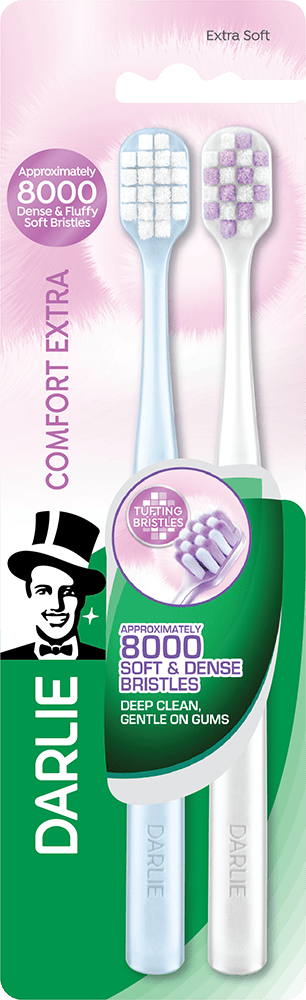
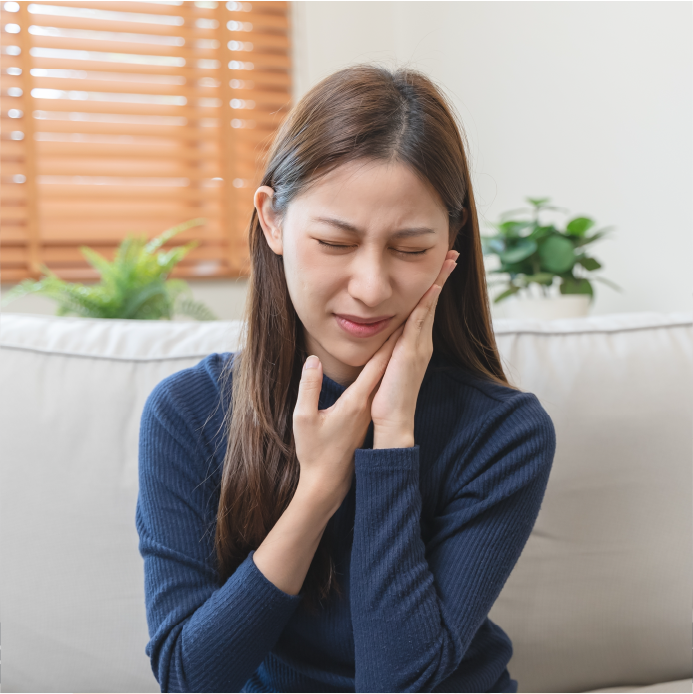
Saliva helps lubricate and protect the soft tissues of your mouth. When these tissues are dry, they can become irritated and inflamed more easily. This lack of moisture can also make everyday brushing feel uncomfortable, making it helpful to use DARLIE Comfort Extra Toothbrush, which combines 8000+ ultra-dense soft bristles with a wide head for better coverage. It also features hygienic cubic tufting for better drainage, helping support a gentler, more comfortable clean.

How to Fix Dry Mouth and Bad Breath
Managing dry mouth and bad breath involves a combination of immediate relief tactics and a consistent, gentle oral care routine6.
Daily Habits for Immediate Relief

Choosing Gentle, Non-Drying Oral Care Products
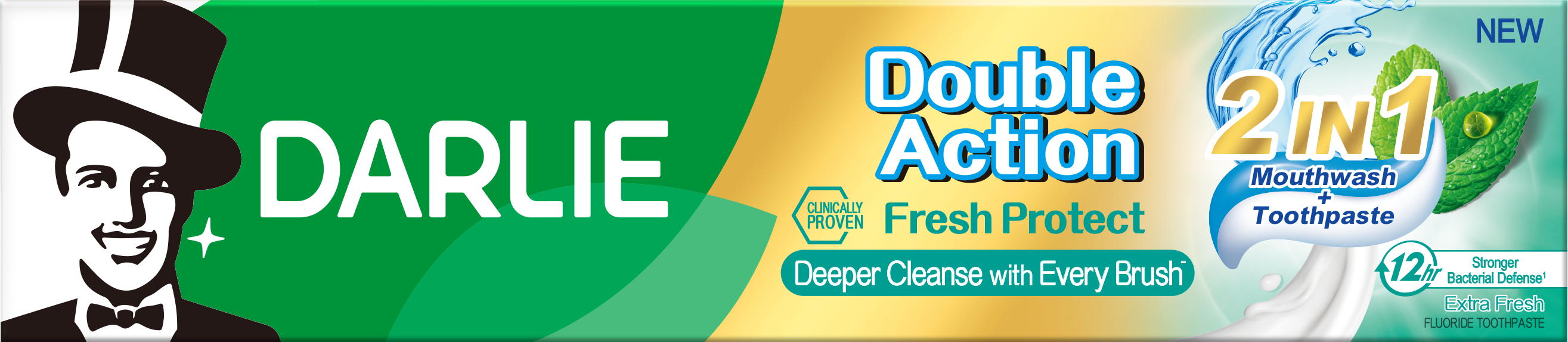
When selecting products, it's important to choose formulas that cleanse effectively without stripping away moisture. DARLIE Double Action Fresh Protect 2in1 Mouthwash Toothpaste offers 2X Freshness in one tube and uses LiquiDual technology for a deeper cleanse between gaps. It also provides stronger 12-hour bacterial defense, 3X plaque removal power, is clinically proven to combat bad breath and protect gums, and is infused with 100% Natural Mint Essence for long-lasting freshness.
For a daily routine focused on fresh breath, DARLIE Double Action Fresh Protect Toothpaste offers stronger 12-hour bacterial protection and natural mint essence for long-lasting fresh breath. It also kills 99.9% of bacteria while helping reduce dental plaque and cleanse teeth.
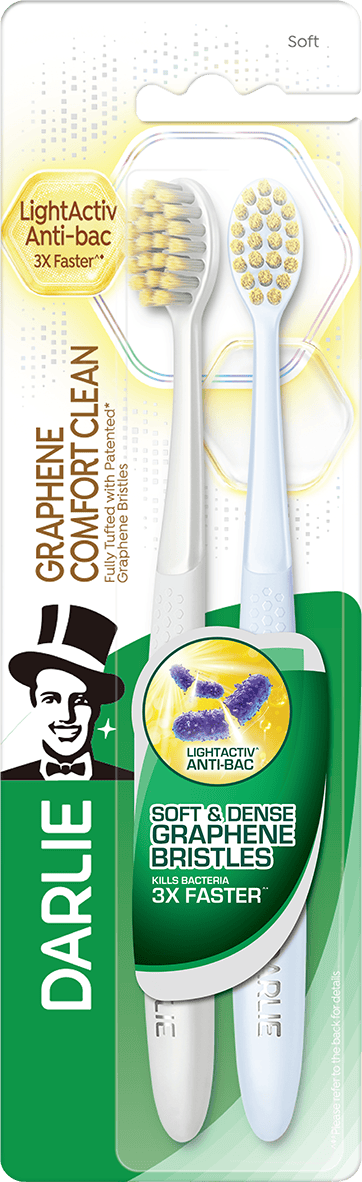
In addition to your product choices, be sure to brush twice daily with DARLIE Graphene Comfort Clean toothbrush, which features LightActiv Graphene Bristles designed to kill 99% of bacteria 3X faster when exposed to light. With 3X more bristles, this toothbrush delivers an ultra-soft, dense brushing experience that feels gentle while helping your brush head stay cleaner.

Conclusion
The link between low saliva and fresh breath is clear: when saliva drops, odor-causing bacteria can build up more easily, leading to bad breath and a higher risk of plaque, irritation, and tooth decay. By understanding what causes dry mouth, adjusting daily habits, and choosing gentle oral care support such as DARLIE Mouthspray (Double Mint/Green Tea), DARLIE Double Action Fresh Protect 2in1 Mouthwash Toothpaste, DARLIE Double Action Fresh Protect Toothpaste, DARLIE Graphene Comfort Clean toothbrush, and DARLIE Comfort Extra Toothbrush, you can build a more comfortable routine for fresher breath and better oral health.
1. American Dental Association. Mouth Rinses - https://www.ada.org/resources/ada-library/oral-health-topics/mouthrinses
2. National Institute of Dental and Craniofacial Research. Saliva - https://www.nidcr.nih.gov/health-info/saliva
3. Mayo Clinic. Dry mouth - https://www.mayoclinic.org/symptoms/dry-mouth/basics/definition/sym-20050987
4. Cleveland Clinic. Xerostomia (Dry Mouth) - https://my.clevelandclinic.org/health/diseases/10902-dry-mouth-xerostomia
5. National Institute of Arthritis and Musculoskeletal and Skin Diseases. Sjögren’s Disease - https://www.niams.nih.gov/health-topics/sjogrens-disease
6. American Dental Association. Dry Mouth - https://www.ada.org/resources/ada-library/oral-health-topics/dry-mouth
7. In vitro study, compared with DARLIE mouth spray. Effects may vary across individuals.
8. In vitro study, helps reduce the growth of Porphyromonas gingivalis and Fusobacterium nucleatum.
2. National Institute of Dental and Craniofacial Research. Saliva - https://www.nidcr.nih.gov/health-info/saliva
3. Mayo Clinic. Dry mouth - https://www.mayoclinic.org/symptoms/dry-mouth/basics/definition/sym-20050987
4. Cleveland Clinic. Xerostomia (Dry Mouth) - https://my.clevelandclinic.org/health/diseases/10902-dry-mouth-xerostomia
5. National Institute of Arthritis and Musculoskeletal and Skin Diseases. Sjögren’s Disease - https://www.niams.nih.gov/health-topics/sjogrens-disease
6. American Dental Association. Dry Mouth - https://www.ada.org/resources/ada-library/oral-health-topics/dry-mouth
7. In vitro study, compared with DARLIE mouth spray. Effects may vary across individuals.
8. In vitro study, helps reduce the growth of Porphyromonas gingivalis and Fusobacterium nucleatum.
Frequently Asked Questions
A: Low saliva levels allow odor-causing bacteria to build up more easily on the teeth, tongue, and gums. Without enough saliva to wash them away, these bacteria produce volatile sulfur compounds, which can make breath smell stronger1.
A: The most common causes include dehydration, side effects from medications, and lifestyle habits like drinking alcohol or caffeine, and using tobacco products. Stress and mouth breathing are also frequent contributors4.
A: Saliva production naturally decreases during sleep. This, combined with factors like mouth breathing, snoring, or dry air from heating or air conditioning, can make the mouth significantly drier overnight2.
A: A combination of approaches works best: drink plenty of water, use a humidifier at night, chew sugar-free gum to stimulate saliva, and maintain a consistent oral hygiene routine with gentle, non-drying products6.
A: While it can be common, persistent and severe dry mouth can sometimes be a sign of an underlying health condition like Sjögren’s syndrome or diabetes, or a side effect of medication. If it happens often and doesn't improve with simple changes, it's a good idea to discuss it with your doctor or dentist5.
Recommended Products