Filtered by Oral Health Goal
Introduction to Dental X-Rays
Have you ever sat in the dentist’s chair and wondered what your dentist is actually seeing when they "look inside" your mouth? A bright, white smile is a great sign, but it does not always tell the whole story. Many oral health issues, including bone loss, hidden decay, or an infection that may make a tooth look dark, can develop beneath the gumline where a visual check cannot reach.
A dental X-ray is a diagnostic image that helps dentists see teeth, bone, and nearby tissues below the surface, including issues that may not be visible during a routine exam 1. Think of it like opening the hood of a car instead of judging the engine from the outside. With the right teeth X-ray, your dentist can find early warning signs before they become painful or more complex to treat. This guide explains common dental X-ray scans, including bitewing, panoramic, and tooth X-ray images, so your next visit feels clearer and more predictable.
Types of Dental X-Rays
Dentists use different types of dental X-ray scans because each one answers a different question. Common dental imaging views include bitewing, periapical, occlusal, panoramic, and other radiographic exams selected according to clinical need 1. Some focus on small areas between teeth, while others show the full mouth and jaw for broader treatment planning.
Bitewing X-Rays
A bitewing X-ray shows the crowns of the upper and lower back teeth in one image. It is especially useful for finding cavities between teeth, where food and plaque can build up even when the surface looks clean. Dentists often use bitewing scans during routine check-ups to monitor early decay and changes in bone levels.
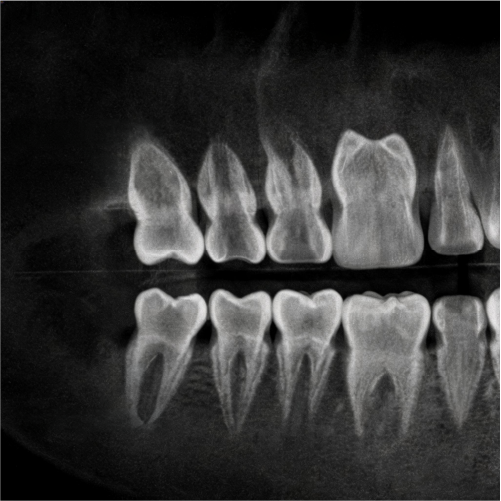
Periapical X-Rays
A periapical x-ray focuses on one or a few teeth, capturing the entire tooth from the crown to the root tip and surrounding bone. This detailed tooth X-ray is helpful when a specific tooth hurts, has been injured, or needs closer review. It can help your dentist check for root problems, abscesses, or bone changes linked to gum disease.

Panoramic X-Rays
A panoramic dental x-ray gives a wide view of the whole mouth in a single image, including the upper and lower teeth, jaw, and surrounding structures 2. Because it shows the bigger picture, it is commonly used for wisdom tooth evaluation, orthodontic planning, implant planning, and checking jaw development or alignment.

Occlusal X-Rays
An occlusal x-ray captures a large view of either the upper or lower arch. This type of teeth X-ray can help identify unerupted teeth, impacted teeth, extra teeth, or jaw fractures. It is often useful for children whose teeth are still developing, as well as for adults who need a broader view of one arch.

Safety and Comfort During Dental X-Rays
Modern dental X-ray technology is designed to use radiation only when clinically justified and to limit exposure while still creating clear diagnostic images 3. Dentists follow the ALARA principle, which means keeping exposure as low as reasonably achievable. Protective gear, such as a lead apron or thyroid collar, may also be used when appropriate. The process is quick and painless: you simply stay still for a few seconds while the image is taken.
Preventive Care and Dental Hygiene
The aim of every scan is not just to find problems, but to prevent small concerns from becoming bigger ones. To stop early demineralization from turning into a dark shadow on your next dental x-ray, daily care needs to support enamel, gums, and the spaces between teeth. Good oral hygiene, including brushing with fluoride toothpaste and cleaning between teeth, helps remove plaque that can contribute to tooth decay and gum disease 4.
Keep Up With Regular Dental Check-Ups
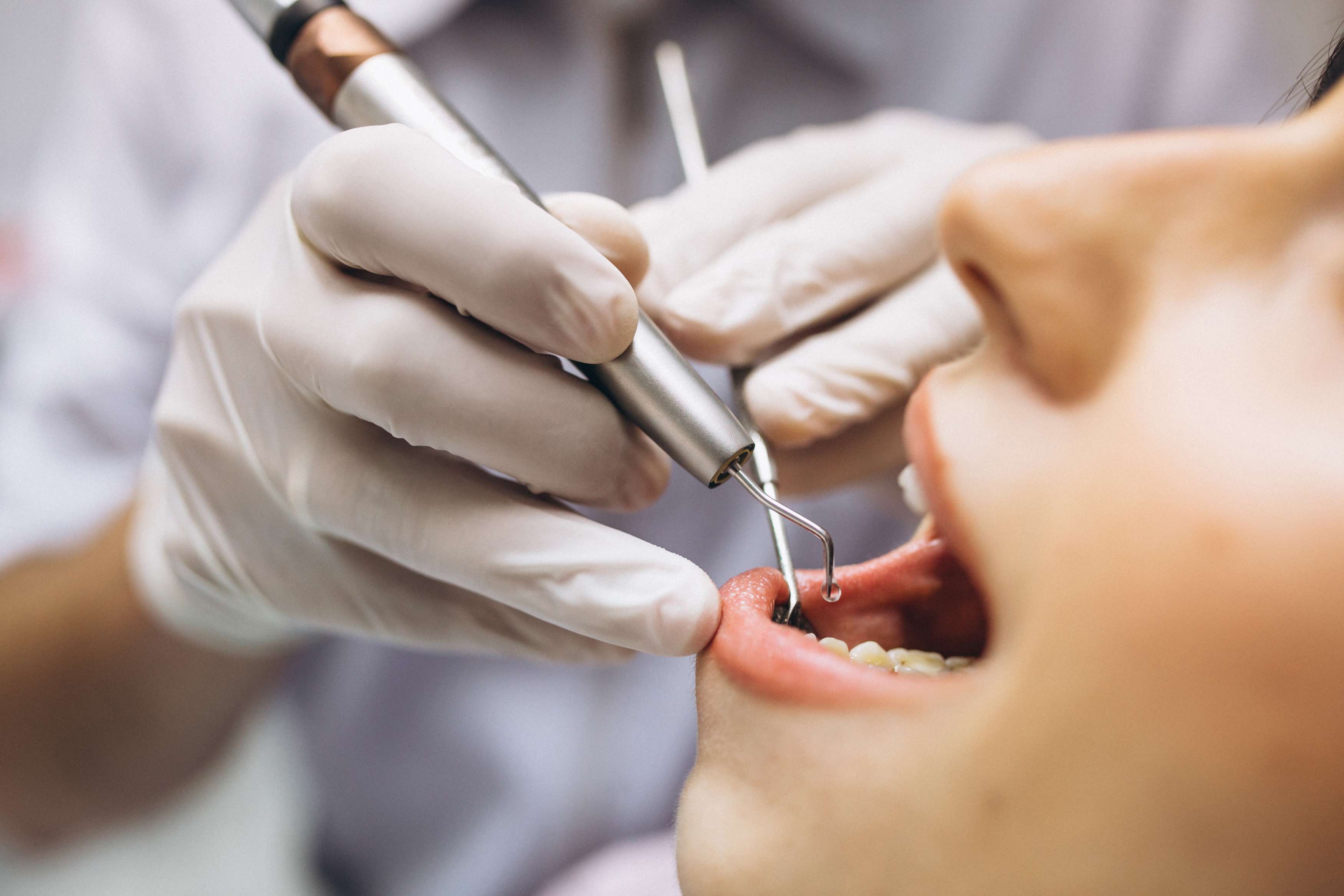
Regular dental visits give your dentist a chance to compare your oral health over time, decide when a dental X-ray is needed, and catch early changes before they become harder to manage. Your at-home routine supports that professional care between appointments.
Build a Strong Daily Enamel Defense
For enamel support, the DARLIE Double Action Range offers double action mint toothpastes with an enamel protection formula that cleans teeth effectively. You can also pair your morning brushing routine with DARLIE Double Action Fresh Protect 2 in 1 Mouthwash + Toothpaste at night for a deeper clean between gaps, helping support plaque control and fresher breath as part of a consistent day-and-night routine.

Care for Your Gums
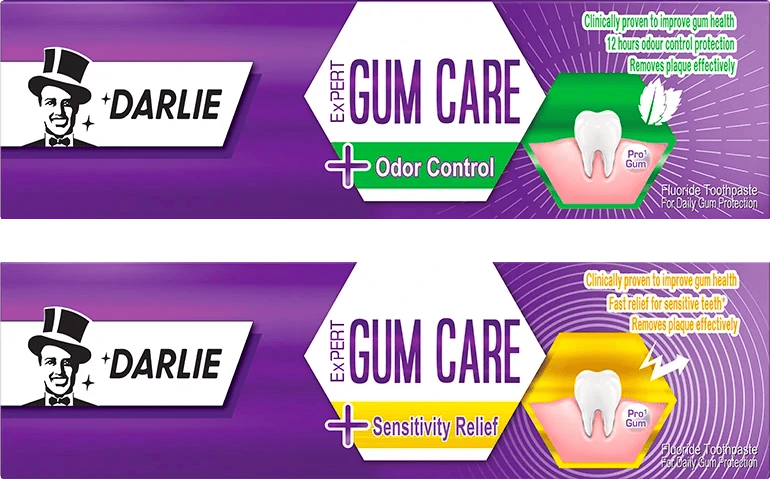
Healthy bone levels on a dental X-ray start with healthy gums. DARLIE Expert Gum Care Toothpaste (Odor Control / Sensitivity Relief) combines a Bio-Gum formula with active Zinc Citrate to help keep gums healthy, fight 99.9% of oral bacteria, support up to 300% more plaque reduction, and provide long-lasting fresh breath 5. The Odor Control option offers 12-hour odor control protection, while the Sensitivity Relief option helps relieve sensitivity in 2 weeks.

Choose Gentle, Effective Toothbrushes
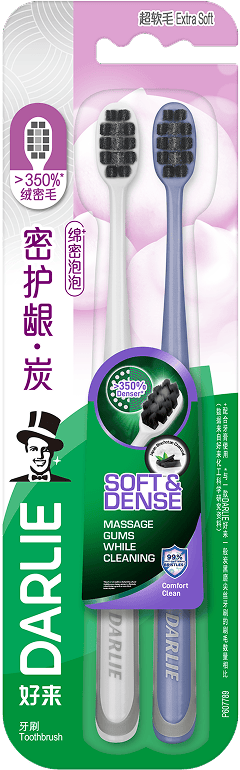
Pairing toothpaste with a suitable soft-bristled toothbrush helps clean along the gumline without harsh scrubbing. DARLIE High Density Charcoal Gum Care Toothbrush uses more than 350% denser charcoal bristles to gently massage gums 6, helps reduce bacterial growth on bristles by 99% 7, and has 0.01mm slim-tip bristles for cleaning between teeth 8. When used with toothpaste, it also helps generate fine foam for a more thorough brushing feel 9.
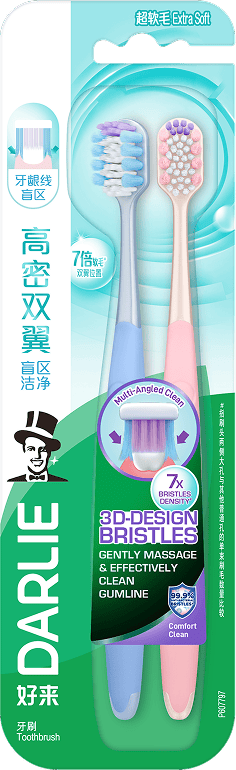
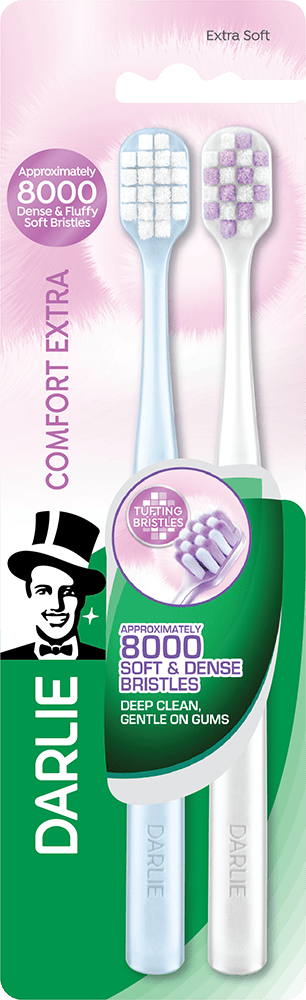
For another daily brushing option, DARLIE High Dense Clean Toothbrush has 3D-design bristles, 7X1 denser side bristles, more than 300% slim-tipped soft bristles with a 5,300 bristle count, an ergonomic handle, and two dreamy colour options. Its dense bristle design supports a high-pressure yet gentle massage, helping clean deep into gaps and stimulate gum health. If your gums are sensitive, DARLIE Comfort Extra Toothbrush can also be considered: it features 0.01mm slim-tip soft bristles designed specifically for gentle cleaning along the gum line, making it ideal for sensitive gums. Graphene Comfort is another DARLIE brush option for a deeper clean.

Clean Between Teeth
Finish with floss or interdental cleaning so plaque is removed from the tight spaces that bitewing x-rays are designed to monitor. This small daily step supports healthier teeth and gums between dental appointments.

Conclusion
Understanding the main dental X-ray types helps demystify a routine but important part of dental care. Bitewing scans check between back teeth, periapical scans focus from crown to root, panoramic scans show the whole mouth, and occlusal scans capture a broader view of one arch. Combined with regular dental visits and a steady oral hygiene routine, these scans help you protect your smile from the inside out.
For long-term oral health, choose daily products that support enamel protection, gum care, and careful cleaning between teeth. A consistent routine gives your dentist a healthier picture to review at your next appointment.
1. X-Rays/Radiographs | American Dental Association - https://www.ada.org/resources/ada-library/oral-health-topics/x-rays-radiographs
2. Panoramic Dental X-ray | RadiologyInfo.org - https://www.radiologyinfo.org/en/info/panoramic-xray
3. Dental Radiographic Examinations: Recommendations for Patient Selection and Limiting Radiation Exposure | FDA - https://www.fda.gov/media/84818/download
4. Oral Hygiene | National Institute of Dental and Craniofacial Research - https://www.nidcr.nih.gov/health-info/oral-hygiene
5. Anonymous. (2014). The Comparative Efficacy of two Toothpastes Containing 2% Zinc Citrate as compared to a Placebo Toothpaste in Controlling Established Plaque and Gingivitis. 1-10.
6. Comparing with the bristle amount of a DARLIE Charcoal Tapered Bristle Toothbrush.
7. Based on test result on Escherichia coli and Staphylococcus aureus, proven to effectively reduce bacterial growth on bristles.
8. Bristle tip is less than 0.01mm.
9. When used together with toothpaste.
2. Panoramic Dental X-ray | RadiologyInfo.org - https://www.radiologyinfo.org/en/info/panoramic-xray
3. Dental Radiographic Examinations: Recommendations for Patient Selection and Limiting Radiation Exposure | FDA - https://www.fda.gov/media/84818/download
4. Oral Hygiene | National Institute of Dental and Craniofacial Research - https://www.nidcr.nih.gov/health-info/oral-hygiene
5. Anonymous. (2014). The Comparative Efficacy of two Toothpastes Containing 2% Zinc Citrate as compared to a Placebo Toothpaste in Controlling Established Plaque and Gingivitis. 1-10.
6. Comparing with the bristle amount of a DARLIE Charcoal Tapered Bristle Toothbrush.
7. Based on test result on Escherichia coli and Staphylococcus aureus, proven to effectively reduce bacterial growth on bristles.
8. Bristle tip is less than 0.01mm.
9. When used together with toothpaste.
FAQ
No. A dental X-ray is quick and painless. You may need to bite gently on a small holder or stay still while the image is taken, but the scan itself does not hurt.
Bitewing x-rays are commonly used to detect cavities between back teeth. They help dentists see areas that are difficult to check during a visual exam.
Recommended Products