Filtered by Oral Health Goal
World Oral Health Day 2026 celebrates a healthy mouth as a pillar of overall well-being. Linked to heart health and self-confidence, this year's theme—"A Happy Mouth is... A Happy Life"—focuses on lifelong preventive care. But how can a few minutes a day truly transform your future? Dive into this guide to uncover the essential habits and hard truths that will help you protect your most valuable asset—your smile.
What is World Oral Health Day?
World Oral Health Day (WOHD) is the world's largest oral health awareness campaign, led by the FDI World Dental Federation (French: Fédération dentaire internationale) to empower over a million dentists and the public worldwide. By spearheading a unified global movement, the FDI inspires positive action through activities like free check-ups and educational programs in over 100 countries, ensuring that millions of people gain the tools and confidence needed for lifelong disease prevention and a healthy mouth.
World Oral Health Day 2026 Theme: A Happy Mouth is... A Happy Life
Why Oral Health Matters
The central focus for World Oral Health Day 2026 is “A Healthy Mouth, A Healthier Future”1. This theme serves as a powerful reminder that oral health is a lifelong journey—from protecting a baby's first milk teeth to mixed dentin to eventually maintaining gum health in our later years2.
By focusing on life-stage-specific education, the 2026 campaign highlights that a functional, pain-free mouth makes everyday moments brighter, whether sharing a meal or laughing with loved ones. This is synonymous to DARLIE’s objective of enabling people to get Closer with A Smile. Ultimately, the goal is to inspire everyone to view daily oral care as a long-term investment in their overall health, happiness, ensuring that parents, children, and adults all have the resources to protect their health for a lifetime.

How is Your Mouth Connected to Your Body?
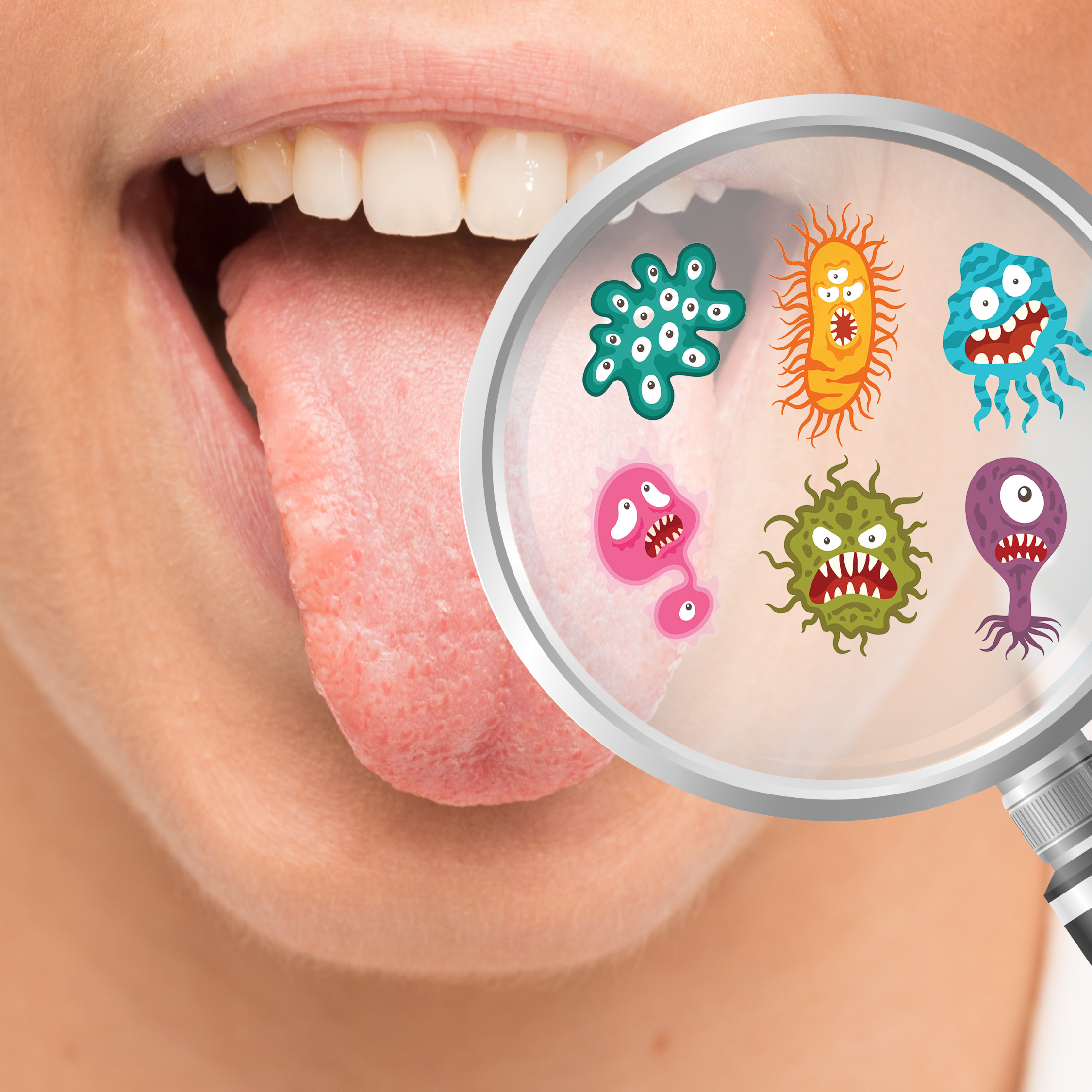
Many do not know that their mouth is the health gateway to your overall health and well-being. Bacteria from your mouth can enter your bloodstream and travel to other organs.3 Maintaining good oral hygiene helps keep this gateway clean and protected, reducing the risk of infections and inflammation that can affect your entire system.
The Impact on Your Everyday Life
Poor oral health can significantly diminish your quality of life. It can lead to:

The Statistics Speak for Themselves
The numbers are clear: oral diseases are a major global health issue. The World Health Organization (WHO) estimates that oral diseases affect nearly 3.5 billion people worldwide.4 The good news? Most of these conditions are largely preventable through simple, consistent oral hygiene habits adopted at every age.5

The Hard Truths: Why Oral Health Goes Beyond Aesthetics

It’s About More Than Just a Bright and Radiant Smile
While a bright, beautiful smile is a wonderful asset, true oral health is about function, not just appearance. It’s about having teeth that are strong enough to chew nutritious food, gums that are healthy and free from disease, and a mouth that doesn’t cause you chronic pain. World Oral Health Day is about celebrating this functional, lifelong health.
What is the Real Cost of Neglect?
Ignoring your oral health doesn't save you money—it just delays the cost now but end up with a compounding effect. A small cavity that could have been fixed with a simple filling can turn into a root canal and crown, costing many times more. Beyond the financial strain, neglecting oral health can impact your social confidence and lead to long-term medical bills if related health issues arise.
Why Do We Wait for a Painful Emergency?
Too often, people only visit the dentist when they're in pain. This reactive approach is not only more expensive but also more stressful. Dental care should be a vital part of your routine health maintenance, just like an annual physical, ensuring your "Happy Mouth" stays happy for life.
Actionable Steps: Daily Habits for a Happy Mouth
Master the Basics of Brushing

Make the Floss Factor a Priority
Flossing isn't optional—it's essential. It cleans the tight spaces between your teeth where your toothbrush can't reach, removing plaque and preventing gum disease. Make it a non-negotiable part of your nightly routine, right before you brush.

Use Your Diet as a Defense


Conclusion
World Oral Health Day 2026 is a perfect opportunity to remember that a happy mouth is the foundation of a happy life, and protecting your smile is one of the most powerful things you can do for your body, mind, and overall lifespan at every stage of your journey. Commit to your smile today by taking the first step: schedule professional cleanings at least twice a year, audit your daily brushing technique, and explore DARLIE’s full range of specialized toothpastes and advanced toothbrushes to find the perfect fit for your specific dental needs. For more tips, resources, and inspiration on your journey to better oral health, follow DARLIE and let’s make every day an oral health day.
Frequently Asked Questions about World Oral Health Day 2026

Q1: Why does the 2026 theme focus on different life stages?
Oral health needs change as we age—from infancy to old age. By focusing on life stages, the campaign ensures that everyone receives the right education to maintain a "Happy Mouth" throughout their entire lifespan.
Q2: How does oral health affect my physical health?
The mouth is the gateway to the body. Poor oral hygiene can lead to gum disease, which has been linked to systemic issues like heart disease, diabetes, and strokes. Keeping your mouth healthy helps reduce these risks.
Q3: How often should I see a dentist for a routine check-up?
It is generally recommended to visit your dentist twice a year (every six months) for professional cleanings and examinations to catch any issues early before they become emergencies.
1. https://www.worldoralhealthday.org/campaign-theme-2026
2. https://www.fdiworlddental.org/wohd26-together-lets-create-record-breaking-chain-happy-moments
3. https://www.mayoclinic.org/health/dental/DE00001
4. https://www.who.int/news-room/questions-and-answers/item/oral-health
5. https://www.who.int/news-room/fact-sheets/detail/oral-health
6. https://www.cdc.gov/oral-health/prevention/about-fluoride.html
2. https://www.fdiworlddental.org/wohd26-together-lets-create-record-breaking-chain-happy-moments
3. https://www.mayoclinic.org/health/dental/DE00001
4. https://www.who.int/news-room/questions-and-answers/item/oral-health
5. https://www.who.int/news-room/fact-sheets/detail/oral-health
6. https://www.cdc.gov/oral-health/prevention/about-fluoride.html
Recommended Products