Filtered by Oral Health Goal
Ever brushed your teeth, looked in the mirror… and felt a little panic seeing a thick, white coating on your tongue? If you’ve caught yourself wondering, "why is my tongue white—even after brushing?", you’re not alone. That stubborn, whitish film can look odd and feel unpleasant, especially when it lingers. In most cases, a white tongue appears because of a buildup of bacteria, dead cells, and debris trapped on the tongue’s surface. But sometimes, the reasons for a white tongue may signal something more about your health.
In this guide, we’ll break down the most common white tongue causes, what a white tongue indicates about your health, and most importantly, how to get rid of white tongue quickly and effectively—so you can get back to feeling confident about your breath and your smile.

What Is a White Tongue & What Does It Mean?
A white tongue refers to a pale or coated appearance on your tongue caused by a layer of bacteria, food debris, and dead cells caught between tiny bumps called papillae1. It can show up as patchy spots, a thin layer, or a thick film coating the surface.

Should you be concerned?
In most cases, a white tongue isn’t something to worry about. It’s often a sign your mouth simply needs a more thorough clean or better hydration. Drinking more water, brushing your tongue gently, and maintaining consistent oral hygiene usually clears it up within a few days.
However, if your tongue stays white for more than three weeks, feels painful, or comes with fever or sores, consult a dentist or doctor2. These could signal conditions like oral thrush (non-contagious fungal infection) or a more serious infection.
Why Is My Tongue White? 5 Common Causes
A white tongue usually comes down to oral hygiene habits or bacterial buildup. Here are the five most common reasons:
1. Poor Oral Hygiene
Not brushing properly or skipping to clean your tongue allows bacteria and food debris to accumulate, forming that noticeable white layer.
2. Bacteria and Food Debris Build-Up
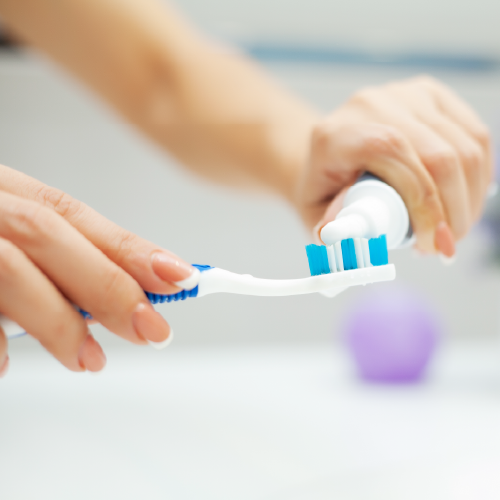
Food particles and bacteria can accumulate between the tiny bumps (papillae) on your tongue, forming a thin film that’s visible as a white coating on the tongue. This happens naturally after eating or drinking and can become more noticeable if the tongue isn’t cleaned regularly, leading to that persistent white or whitish appearance.

3. Dry Mouth or Dehydration
When the mouth is dry, saliva can’t wash away food debris and bacteria effectively. In Singapore’s hot and humid weather, dehydration can happen quickly. When the body lacks water, saliva production drops and with less saliva to rinse away food debris and bacteria,they end up staying longer and form a white coating on the tongue.

4. Smoking or Tobacco Use
Smoking can irritate the tongue’s surface, dry it out, and increase debris buildup. The result is a thicker, visible white coating that’s more common among smokers.

5. Illness or Temporary Conditions
Fever, colds, or infections can temporarily cause a white tongue. This white coating usually fades as your body recovers and hydration returns to normal.

The Side Effect: The Bad Breath Connection
The same bacteria responsible for a white coating on the tongue can also produce sulfur compounds, which is the main cause of bad breath, or halitosis. The tongue’s surface is one of the main places for odor-causing bacteria to accumulate and grow.

When this buildup isn’t cleaned away, it not only creates a white or whitish tongue but also leads to unpleasant breath that brushing alone can’t fix. Regularly removing bacteria from the tongue and maintaining good oral hygiene can effectively reduce both white tongue and bad breath3, keeping your mouth fresh and healthy.
How to Get Rid of White Tongue: 4 Strategic Steps

Step 1. The Physical Sweep (Daily)
Use the DARLIE Graphene Comfort Clean Toothbrush to gently sweep away bacteria and debris.
Its ultra-soft charcoal bristles lift and dislodge the white film effectively without irritation. Start from the back of your tongue and sweep forward to physically remove white coating on the tongue along with trapped debris.
Its ultra-soft charcoal bristles lift and dislodge the white film effectively without irritation. Start from the back of your tongue and sweep forward to physically remove white coating on the tongue along with trapped debris.
Step 2. The Antibacterial Deep Clean
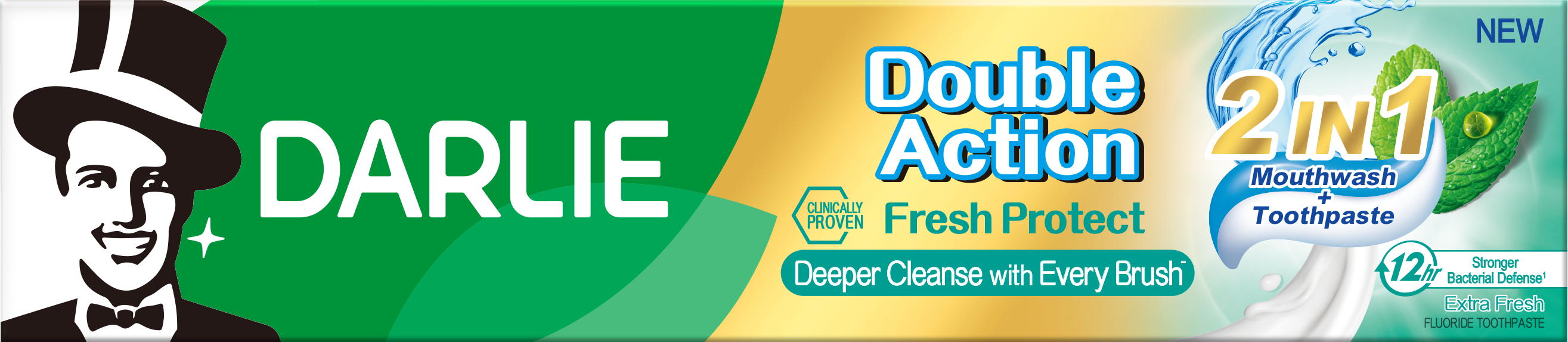
Regular brushing is essential for controlling bacteria and preventing the return of a white tongue. For a deeper, longer‑lasting clean, use the DARLIE Double Action Fresh Protect 2in1 Mouthwash Toothpaste, a top contender for the best bad‑breath toothpaste in Singapore.
This innovative formula delivers 2X freshness in one tube, combining the power of toothpaste and mouthwash for full‑mouth protection. With its LiquiDual Technology, it reaches between gaps and cleans hard‑to‑reach areas of the tongue, offering 12‑hour bacterial defense and 3X plaque‑removal power to stop the white film from reforming.
This innovative formula delivers 2X freshness in one tube, combining the power of toothpaste and mouthwash for full‑mouth protection. With its LiquiDual Technology, it reaches between gaps and cleans hard‑to‑reach areas of the tongue, offering 12‑hour bacterial defense and 3X plaque‑removal power to stop the white film from reforming.

Step 3. On-the-Go Defense (Prevention)
Between meals or during dehydrating afternoons, keep your mouth fresh and balanced with DARLIE antibacterial mouthwash in bottles and in convenient sachets format or even a pocket-friendly mouth spray.
These portable options rinse away food particles and neutralize bacteria before they settle between your tongue’s papillae. Acting as a "liquid shield," they help maintain moisture, prevent dry mouth, and stop the white film from anchoring or thickening throughout the day.
These portable options rinse away food particles and neutralize bacteria before they settle between your tongue’s papillae. Acting as a "liquid shield," they help maintain moisture, prevent dry mouth, and stop the white film from anchoring or thickening throughout the day.

Step 4. The Strategic Day-Night Combo
A consistent day-and-night routine helps keep your mouth protected around the clock. Each morning, you may use DARLIE Double Action Enamel Protect to strengthen enamel and prep your teeth for the day’s meals and drinks. At night, switch to DARLIE Double Action Fresh Protect 2in1 for a deeper cleanse between gaps to thoroughly clear away food particles and debris buildup accumulated during the day.
This final step provides up to 12‑hour overnight protection, ensuring you wake up with a fresher mouth and reduced white tongue buildup.
This final step provides up to 12‑hour overnight protection, ensuring you wake up with a fresher mouth and reduced white tongue buildup.
A white tongue is often your mouth’s way of signaling an imbalance in cleanliness or moisture and ignoring it can lead to long-term breath and oral health issues. The solution lies in "Sweep & Mint" philosophy: pair the "right sweep" (physical removal) with "minty goodness" (DARLIE’s antibacterial power) to prevent future health and wellness issues.
Consistency is key, by maintaining a simple Day–Night routine suited for Singapore’s humid climate, you can keep your tongue a healthy, bacteria-free "no‑grow zone". Upgrade your daily care with the DARLIE Graphene Comfort Clean Toothbrush and the DARLIE Double Action range to transform a white coating on tongue into the confidence of lasting freshness and a brighter smile.
References:
1. Clinical observation of tongue coating and factors related to the number of bacteria on the tongue (PubMed Central) — https://pmc.ncbi.nlm.nih.gov/articles/PMC6302525/
2. Symptoms of Candidiasis | CDC — https://www.cdc.gov/candidiasis/signs-symptoms/index.html
3. Halitosis (Bad Breath) | StatPearls (NCBI Bookshelf) — https://www.ncbi.nlm.nih.gov/books/NBK534859/
1. Clinical observation of tongue coating and factors related to the number of bacteria on the tongue (PubMed Central) — https://pmc.ncbi.nlm.nih.gov/articles/PMC6302525/
2. Symptoms of Candidiasis | CDC — https://www.cdc.gov/candidiasis/signs-symptoms/index.html
3. Halitosis (Bad Breath) | StatPearls (NCBI Bookshelf) — https://www.ncbi.nlm.nih.gov/books/NBK534859/
Recommended Products