Filtered by Oral Health Goal
You survived the tooth extraction, but a few days later, a throbbing, radiating pain that won't quit has set in. For most people, the worst is over after the chair time, but for a small number, a complication known as dry socket can turn recovery into a challenge. This guide explains what a dry socket is, its symptoms, risks, and provides effective healing tips to help you navigate this painful condition. DARLIE's range of gentle oral care products can help you maintain a clean, healthy mouth while your body heals.
What Is DrySocket?
Dry socket, clinically known as alveolar osteitis, is a painful condition that can occur after a dry socket tooth extraction. It happens when the protective blood clot that should form in the empty tooth socket is dislodged, dissolves too early, or fails to form altogether.1 This blood clot is crucial for healing because it covers the underlying bone and nerve endings in the empty socket and supports new bone and soft tissue growth. Without it, the sensitive bone and nerves are exposed to air, food, and fluids, leading to severe pain and a higher risk of complications. This complication is most commonly associated with the extraction of molars, particularly wisdom teeth. 2
Symptoms of Dry Socket:
Recognizing the Red Flags
Early Stage Dry Socket Symptoms
Recognising the early stage dry socket symptoms is key to getting prompt treatment and relief. While some discomfort is normal after an extraction, the pain from a dry socket is distinct and typically starts a few days after the procedure.
Pain
The hallmark of a pulled tooth dry socket is a severe, throbbing pain that emerges two to four days after the extraction.3 This pain isn't confined to the socket; it often radiates up towards your ear, eye, or temple and can even travel down your neck, all on the same side as the extraction. Over-the-counter pain relievers may not be enough to manage this intense discomfort.
Bad Breath
A persistent foul odour from your mouth, often described as bad breath (halitosis) or an unpleasant taste, is another common sign of dry socket symptoms. This can happen when food debris and bacteria collect in the unprotected socket.
Visible Bone
In some cases, you might be able to see the exposed, whitish-looking jawbone when you look into the empty socket where the tooth used to be. 1 The surrounding gums may also look greyish. This is a clear sign that the healing clot is missing.
Swelling
While some swelling is expected after an extraction, you may notice tender or swollen gums around the socket area, or even swollen lymph nodes around your jaw or neck, indicating a possible complication like a dry socket.

Risks of Developing Dry Socket

Delayed Healing
The absence of the protective blood clot significantly slows down the natural healing process. What should be a recovery of a week or two can be prolonged, requiring more time and care for the socket to close properly.
Increased Pain
The pain associated with a dry socket is often more severe than the initial post-extraction discomfort. It can be debilitating and may require stronger pain medication and professional intervention from your dentist to manage effectively.
Infection Risk
An open, exposed socket can make it easier for bacteria to enter the area. This increases the risk of developing a localised infection in the socket or a more widespread infection if left untreated.
Impact on Oral Health
If not properly managed, a dry socket and any subsequent infection can have a lasting impact on your oral health, potentially affecting the surrounding teeth and jawbone.
Healing Tips for Dry Socket
If you suspect you have a dry socket, the first step is to see your dentist. They can clean the socket and apply a medicated dressing to protect the area and relieve pain.4 Alongside professional care, here are some tips to promote healing.
Immediate Care
Your dentist will provide specific instructions, but general immediate care involves managing pain with prescribed or recommended relievers. You may also be advised to gently rinse your mouth with warm salt water or a special antiseptic mouthwash to help keep the area clean and free of food particles without dislodging any new clot that is forming.

Long-Term Care
As you recover, certain lifestyle adjustments are crucial. Stick to a diet of soft foods like yoghurt, mashed potatoes, and smoothies. Avoid hard, crunchy, chewy, or spicy foods that could get stuck in the socket or cause irritation. It's also vital to avoid using straws, as the sucking motion can dislodge the blood clot.
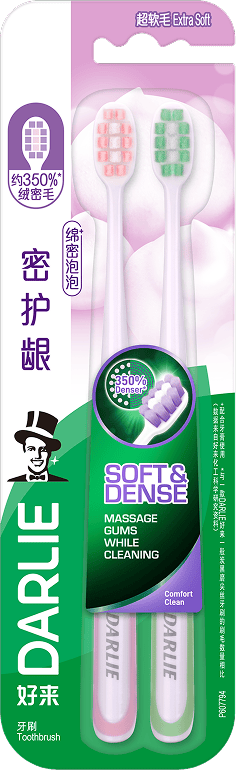
Maintaining good oral hygiene is essential, but it must be done with extreme care around the extraction site. For gentle yet thorough cleaning of the surrounding teeth, consider using the DARLIE High Density Gumcare Toothbrush. Its advanced square bristles turfing technology produces bristles that are 350% denser and softer than a normal toothbrush, with 0.01mm slim tip extra soft bristles that gently massage your gums and clean deep in-between teeth. The high dense bristles arrangement also easily generates fine foam for deep, gentle cleansing of every surface around the sensitive area.

Freshness & Protection During Recovery
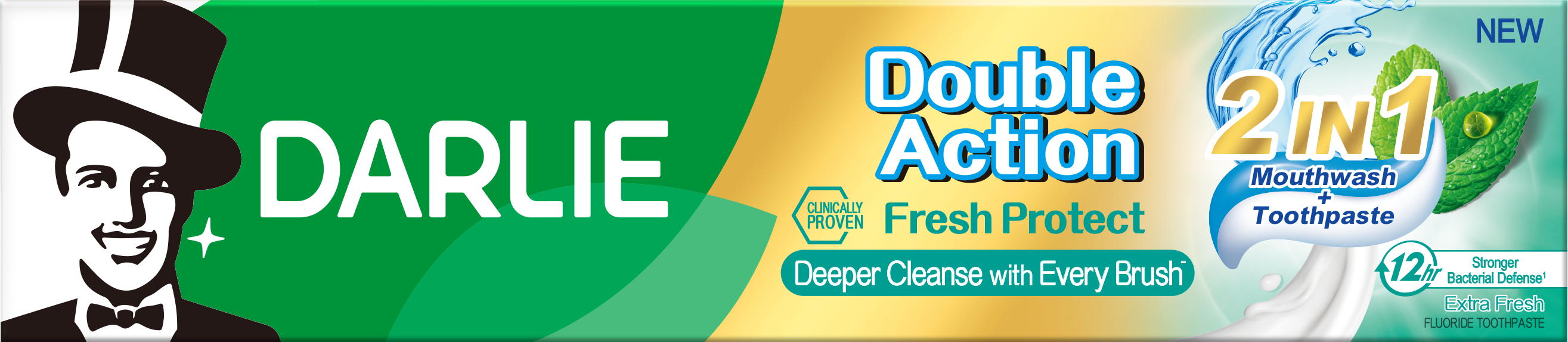
As the area heals, you can introduce a toothpaste that helps maintain oral health, like the NEW DARLIE Double Action Fresh Protect 2in1 Mouthwash Toothpaste. Powered by LiquiDual technology, it delivers 2X Freshness in a single tube while offering deeper cleanse between gaps and stronger 12-hour bacterial defence with 3X plaque removal power. It is clinically proven to combat bad breath and protect gums, making it ideal during recovery, and is infused with 100% Natural Mint Essence for a signature freshness that keeps your mouth feeling clean throughout the day.
When to See a Dentist
Disclaimer: Dry socket and post-extraction complications should be assessed by a qualified dentist. This article is for general education only and is not a substitute for professional diagnosis or treatment.
Persistent Pain
If the pain from your tooth extraction worsens instead of improving after two or three days, or if it doesn't respond to the pain medication you were prescribed, it's a strong indicator of a problem.4
Signs of Infection
Look out for signs of infection, which can include fever, chills, pus or discharge from the socket, and increased redness or swelling around the extraction site.3 These symptoms require immediate dental attention.
Unusual Symptoms
Any unexpected changes during your healing process, such as persistent bleeding or an allergic reaction to medication, warrant a call to your dental professional.

Preventing Dry Socket: Best Practices

Follow Post-Extraction Instructions
Your dentist will provide a detailed list of dos and don'ts. This includes guidance on biting down on gauze, managing swelling with ice packs, and getting adequate rest. Adhering to these instructions is the most important step in ensuring a smooth recovery.
Avoid Smoking
Smoking and using tobacco products are major risk factors for developing a dry socket.5 The chemicals in tobacco can impede healing, and the act of inhaling can physically dislodge the blood clot. It is best to avoid smoking for at least 48 hours after your extraction, and ideally for as long as possible.
Stay Hydrated
Drinking plenty of water is essential for your overall health and supports the body's natural healing processes. However, remember to sip directly from a glass and avoid using straws for the first week after your procedure.
Conclusion
Understanding what a dry socket is, recognising its symptoms, and knowing the risks are crucial for anyone undergoing a tooth extraction. Proper post-operative care is your best defence against this painful complication. By following your dentist's advice and prioritising gentle oral hygiene, you can pave the way for a faster, more comfortable recovery. Equipping yourself with the right tools — such as the DARLIE High Density Toothbrush for soft, dense-bristle cleaning and the NEW DARLIE Double Action Fresh Protect 2in1 Mouthwash Toothpaste for lasting freshness and gum protection — can help you maintain a clean and healthy mouth while your body heals, ensuring your oral health remains on track.
1. Dry Socket – Cleveland Clinic – https://my.clevelandclinic.org/health/diseases/17731-dry-socket
2. Oral Surgical Procedures – CDC – https://www.cdc.gov/dental-infection-control/hcp/dental-ipc-faqs/oral-surgical-procedures.html
3. Dry Socket – Mayo Clinic – https://www.mayoclinic.org/diseases-conditions/dry-socket/symptoms-causes/syc-20354376
4. Tooth Extraction – Cleveland Clinic – https://my.clevelandclinic.org/health/treatments/22120-tooth-extraction
5. Tooth Extraction After Care – Kent CHT NHS – https://www.kentcht.nhs.uk/leaflet/tooth-extraction-after-care/
2. Oral Surgical Procedures – CDC – https://www.cdc.gov/dental-infection-control/hcp/dental-ipc-faqs/oral-surgical-procedures.html
3. Dry Socket – Mayo Clinic – https://www.mayoclinic.org/diseases-conditions/dry-socket/symptoms-causes/syc-20354376
4. Tooth Extraction – Cleveland Clinic – https://my.clevelandclinic.org/health/treatments/22120-tooth-extraction
5. Tooth Extraction After Care – Kent CHT NHS – https://www.kentcht.nhs.uk/leaflet/tooth-extraction-after-care/
Recommended Products