Filtered by Oral Health Goal
Did you know that cavities are among the most common chronic dental conditions affecting millions today1? Despite advancements in modern dentistry, tooth decay remains a persistent challenge, primarily due to lifestyle habits and diet. In this article, we’ll explore the signs of tooth decay, understand their underlying causes, and offer practical tips and products that can help prevent decay and keep your smile healthy.
Understanding Cavities and Tooth Decay
Before diving into prevention strategies, it’s essential to understand how cavities and decay develop.
What Causes Cavities?
Cavities, or tooth decay, primarily occur when sugary and acidic foods interact with the bacteria naturally present in your mouth. Bacteria like Streptococcus mutans feed on these sugars, producing acids that attack the tooth enamel2. Over time, this acid wears down the enamel and creates tiny holes—or cavities—in your teeth. For a more detailed explanation of what causes tooth decay, you can check out our post on Causes of Cavities, Decay & Holes in Teeth [Insert link when ready].

What is Tooth Decay?
Tooth decay is a progressive process where plaque—a sticky film of bacteria—produces acids that gradually erode the enamel3. Initially, this results in subtle demineralization, which can appear as chalky white spots on your teeth. If left unchecked, the decay can penetrate deeper into the tooth, eventually reaching the dentin and even the pulp. Recognizing these stages early is crucial for effective treatment and avoiding more complex dental issues down the road.

Who is at Risk of Tooth Decay?
Certain groups are more susceptible to tooth decay, including:

Recognizing the Signs of Tooth Decay
Early detection is essential in preventing further damage. Here are the signs of tooth decay you should pay attention to:
Early Signs of Cavities

Visible Signs of Progressed Decay
As decay worsens, the signs of tooth decay become more apparent:

When to See a Dentist
Regular dental check-ups are crucial for identifying cavities early. If you experience significant tooth pain, signs of infection, or any of the symptoms mentioned, it’s important not to delay a visit to your dentist. Early professional intervention can prevent minor issues from evolving into serious dental problems.

How to Prevent Cavities
Prevention is far more manageable and less painful than treating severe decay. Here are some effective strategies to protect your smile.
Effective Oral Hygiene Practices
A reliable oral care routine is the foundation of how to prevent cavities. Here are some key practices:


Dietary Modifications
Monitoring your diet plays a significant role in how to prevent cavities:

Fluoride and Other Preventive Treatments

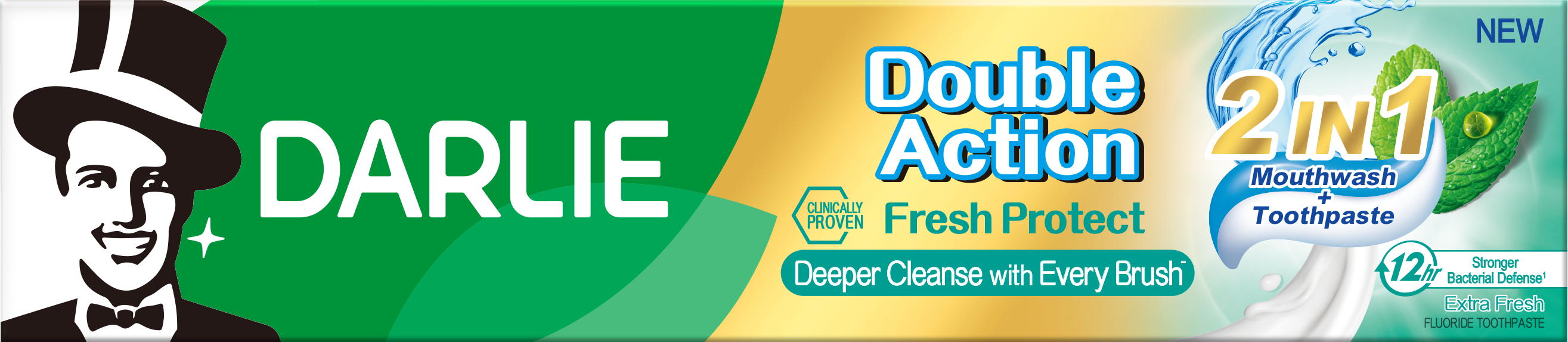
Maintaining a healthy smile is all about proactive care. Recognizing the early signs of tooth decay and implementing effective prevention measures—such as a balanced diet, proper hygiene, and the use of targeted dental products—can help you avoid painful and costly dental procedures in the future. Whether you’re exploring the benefits of enhanced oral care products like the DARLIE Double Action Fresh Protect 2in1 Toothpaste, enjoying the refreshing minty taste of DARLIE Double Action Toothpaste, or upgrading to the efficient cleaning provided by the DARLIE ET5 Sonic Power Toothbrush, your oral health routine can be both effective and enjoyable.
Adopt these simple yet powerful strategies and consult your dentist for personalized advice. Investing in your oral health today means fewer problems in the future—so why not explore these options and experience the benefits for yourself? Here’s to a lifetime of confident, fresh smiles!
1. https://www.drruiz.com/blog/?p=556
2. https://ufhealth.org/news/2000/uf-dental-researcher-develops-genetically-altered-bacteria-strain-may-fight-cavities
3. https://www.healthline.com/health/dental-and-oral-health/tooth-decay-stages
4. https://www.rutgers.edu/news/diabetes-may-weaken-teeth-and-promote-tooth-decay
5. https://www.nature.com/articles/s41405-019-0026-8
6. https://www.ncbi.nlm.nih.gov/books/NBK401516/
* Compared to the amount of bristles in a DARLIE electric toothbrush. Data from Hawley & Hazel Chemical Co. Research Data.
** Scientifically tested, when compared with a DARLIE Charcoal Tapered Bristle Toothbrush, the cleaning effect is up 200%.
2. https://ufhealth.org/news/2000/uf-dental-researcher-develops-genetically-altered-bacteria-strain-may-fight-cavities
3. https://www.healthline.com/health/dental-and-oral-health/tooth-decay-stages
4. https://www.rutgers.edu/news/diabetes-may-weaken-teeth-and-promote-tooth-decay
5. https://www.nature.com/articles/s41405-019-0026-8
6. https://www.ncbi.nlm.nih.gov/books/NBK401516/
* Compared to the amount of bristles in a DARLIE electric toothbrush. Data from Hawley & Hazel Chemical Co. Research Data.
** Scientifically tested, when compared with a DARLIE Charcoal Tapered Bristle Toothbrush, the cleaning effect is up 200%.
Frequently Asked Questions
A: The earliest sign is usually a small, chalky white spot on the tooth surface, which shows early mineral loss before an actual hole forms. As decay progresses, you may notice visible pits, dark staining, or sensitivity to sweet, hot, or cold foods.
A: A cavity in its very earliest stage, before a physical hole has formed, can sometimes be reversed with fluoride and better oral hygiene. But once a hole has actually formed in the enamel, it cannot heal on its own and needs a dentist's treatment.
A: Bacteria in your mouth feed on sugars from food and produce acid, which gradually wears down your enamel and eventually creates small holes, or cavities. This process happens gradually, which is why consistent daily hygiene makes such a big difference over time.
A: Brush twice daily with fluoride toothpaste, floss once a day, and limit sugary or acidic foods and drinks to reduce the acid attacks on your enamel. A toothpaste like Darlie Double Action Toothpaste, which contains fluoride to strengthen enamel, is a solid daily foundation alongside regular dental check-ups.
A: Most dentists recommend a check-up every 6 months, since early cavities are easiest and cheapest to treat before they progress. If you'd like to understand how plaque and tartar contribute to decay in the first place, our guide on How to Remove Tartar and Plaque from Teeth? is a good starting point.
Recommended Products