Filtered by Oral Health Goal
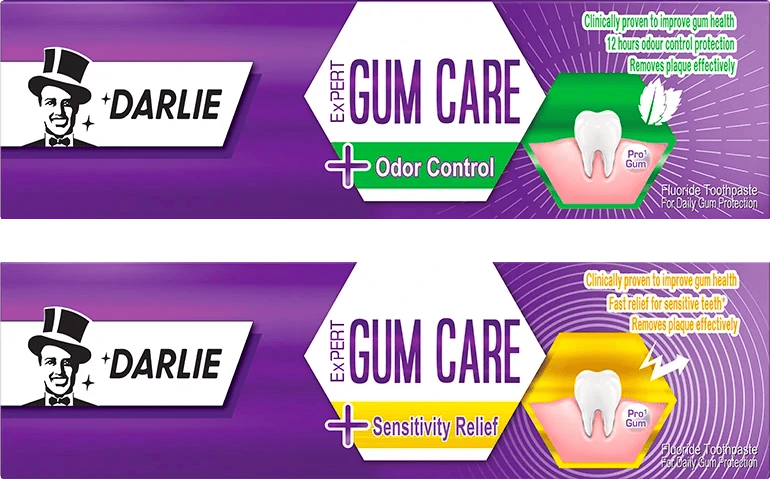
Wanting to whiten teeth for a brighter smile is a common goal, but it can feel complicated when you are also trying to avoid making your gums sting, bleed, or feel more irritated. If your gums are actively bleeding or sore, it is a clear sign to pause any whitening plans until the inflammation is under control1. This guide is here to help you explore how to whiten teeth at home more gently. We will cover lower-irritation ingredients, safer application methods, and common mistakes that can make gums feel worse. Starting with a gentle everyday routine is key, especially with options such as DARLIE Expert Gum Care Toothpaste (Odor Control / Sensitivity Relief), which combines a Bio-Gum formula with active Zinc Citrate, is clinically proven to improve gum health, helps reduce plaque by 300%, and supports long-lasting fresh breath4.
Why Bleeding Gums Change the Whitening Plan?
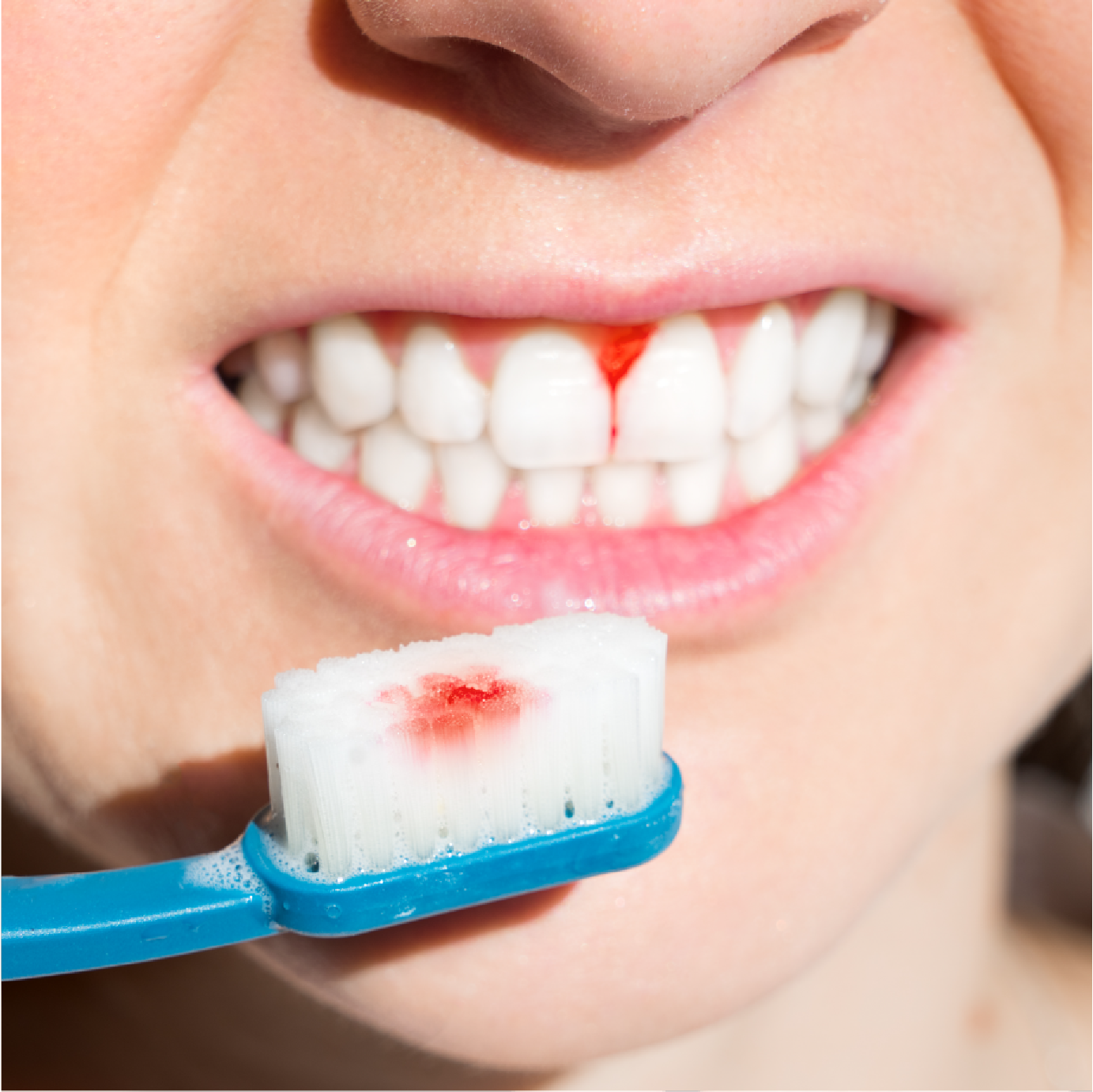
Bleeding gums vs. sensitive teeth: what’s the difference?
It is easy to group all mouth discomfort together, but bleeding gums and sensitive teeth are different issues. Bleeding gums usually signal inflammation or irritation in the gum tissue itself, often from plaque buildup along the gumline1. Tooth sensitivity, on the other hand, is typically a sharp, temporary pain that comes from the tooth’s inner layers reacting to things like hot or cold temperatures, or the active ingredients in whitening products2. Understanding this difference helps you choose the right approach for whitening without sensitivity.
When whitening should be delayed
Before you start any whitening treatment, it is wise to check if your gums are ready. Consider delaying your plan if you notice any of the following:
A gentle safety note: if bleeding continues for more than a week despite gentle care, it is a good idea to check in with a dentist before you whiten teeth1.
Why some whitening products can irritate gums
Many whitening products use peroxide-based ingredients to lift stains2. While effective for stain removal, these ingredients can sometimes irritate the soft tissues of your gums if they come into contact for too long. Beyond ingredients, the application method matters too. Poorly fitting trays or strips that overlap onto the gums can cause physical irritation, as can brushing too aggressively with whitening products.
How to Whiten Teeth Without Triggering Gum Irritation?
Start by calming the gums
The first step to successful teeth whitening for sensitive gums is to ensure your gums are healthy. Before you even think about whitening, dedicate one to two weeks to a gentle oral care routine. This means brushing with a soft-bristled toothbrush, flossing carefully every day, and avoiding aggressive scrubbing motions that can cause more irritation.
Choose lower-irritation whitening options
Once your gums are calm, you can explore gentler ways to whiten teeth at home. Instead of jumping to the strongest option, consider these choices:
Keep whitening product away from the gums
Proper application is key to preventing irritation2. Whether you are using a gel, strip, or pen, careful placement can make a big difference in your comfort.

Best Whitening Ingredients for Sensitive Gums
Peroxide-based whitening: effective, but more likely to irritate
Hydrogen peroxide and carbamide peroxide are the most common ingredients in whitening products. They work by breaking down stains on and within the tooth enamel, delivering noticeable results. However, they are also the ingredients most likely to cause temporary tooth sensitivity or gum discomfort, especially if overused or applied incorrectly.
Peroxide-free whitening: gentler alternatives
If you are looking for peroxide free whitening, there are several gentler ingredients and approaches to look for:
Which option fits which goal?
Here is a simple comparison to help you choose the right path for your smile:
| Goal | Best Whitening Approach | Why It Works |
| Faster, more noticeable results | Peroxide-based whitening (used carefully) | Effectively breaks down deep and surface stains2. |
| Gentlest daily support | Non abrasive whitening toothpaste | Helps lift newer surface stains gradually without harsh scrubbing. |
| Best for visibly sensitive gums | Peroxide free whitening | Uses lower-irritation approaches designed for gentler daily whitening support. |

How to Choose a Non Abrasive Whitening Toothpaste?
What “non abrasive” means
When you see “abrasive” on a toothpaste label, it refers to its Relative Dentin Abrasivity (RDA) value. This is a standardised scale that measures how much a toothpaste polishes the tooth surface3. For those with sensitive gums or exposed root areas, choosing a non abrasive whitening toothpaste with a lower RDA value is a safer choice for daily use.
Ingredients that are usually easier on gums and enamel
Look for toothpastes that rely on smarter, gentler technology to lift stains, such as:
Ingredients and habits to avoid
To protect your gums and support whitening without sensitivity, steer clear of:

The Safest Way to Whiten Teeth at Home
Step 1: prep your mouth first
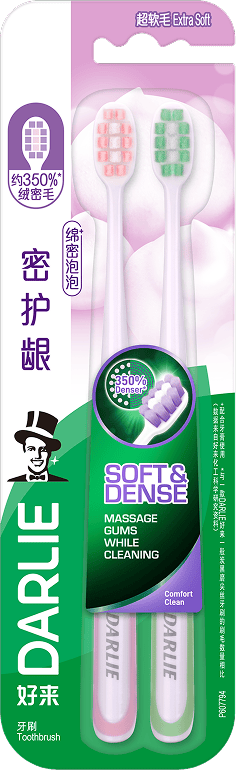
Before starting any whitening treatment, spend at least two weeks focusing on gum health. Brush consistently with a soft touch using DARLIE High Density Toothbrush, which features advanced square bristle tufting technology, 3.5x denser bristles than a normal toothbrush, and 0.01mm slim tip extra soft bristles that gently massage gums and clean between teeth. Its high-density bristle arrangement also helps generate fine foam easily for deep overall cleansing.
Step 2: choose the least irritating format
Start with the gentlest method to see how your mouth reacts. A non abrasive whitening toothpaste is suitable for daily, gradual whitening. If you want a more intensive at-home approach, choose a format that is easy to control and apply carefully so it stays on teeth rather than gums.
Step 3: apply carefully
Always follow the product directions. Remember to avoid letting whitening gel sit on your gums, trim strips to fit your teeth, and consider starting with shorter application times than the maximum recommended to see how your gums respond.
Step 4: pause if gums react
Listen to your body. If you experience any gum soreness, stinging, or increased bleeding, stop the whitening process immediately. Give your mouth a few days to recover. During this time, avoid very hot or cold foods and drinks if your teeth also feel sensitive.

Extra Tips for Whitening Without Sensitivity

A Simple At-Home Whitening Routine for Sensitive Gums
Morning routine
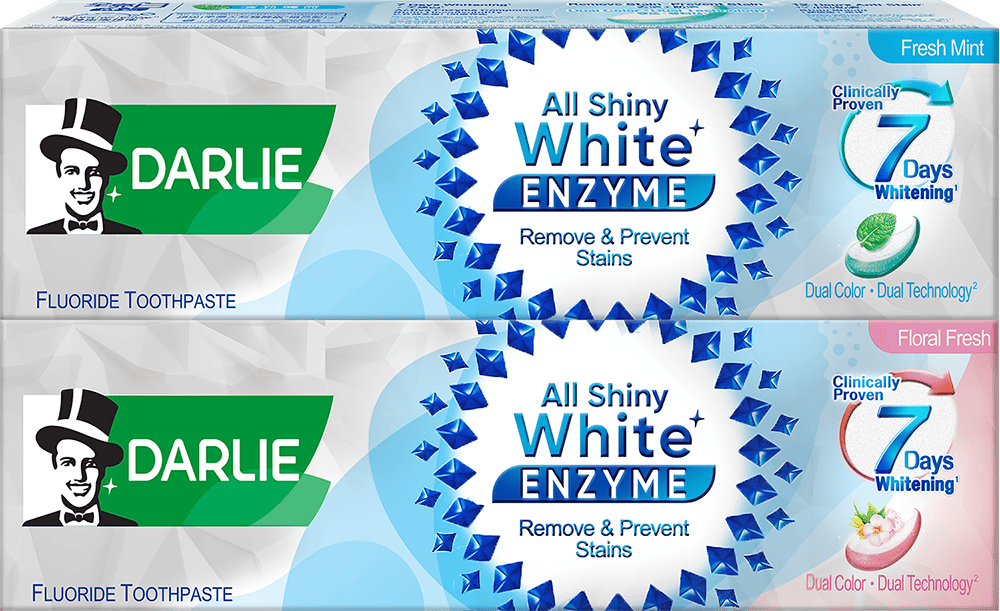
Start your day with gentle brushing using a non abrasive whitening toothpaste. Keep the pressure low and focus on cleaning along the gumline where plaque tends to build up. If your goal is stain removal, DARLIE All Shiny White Enzyme Whitening Toothpaste (Fresh Mint / Floral Fresh) can fit a daily routine by helping dissolve stains, whiten in 7 days, and protect teeth from future stain build-up.
Evening routine
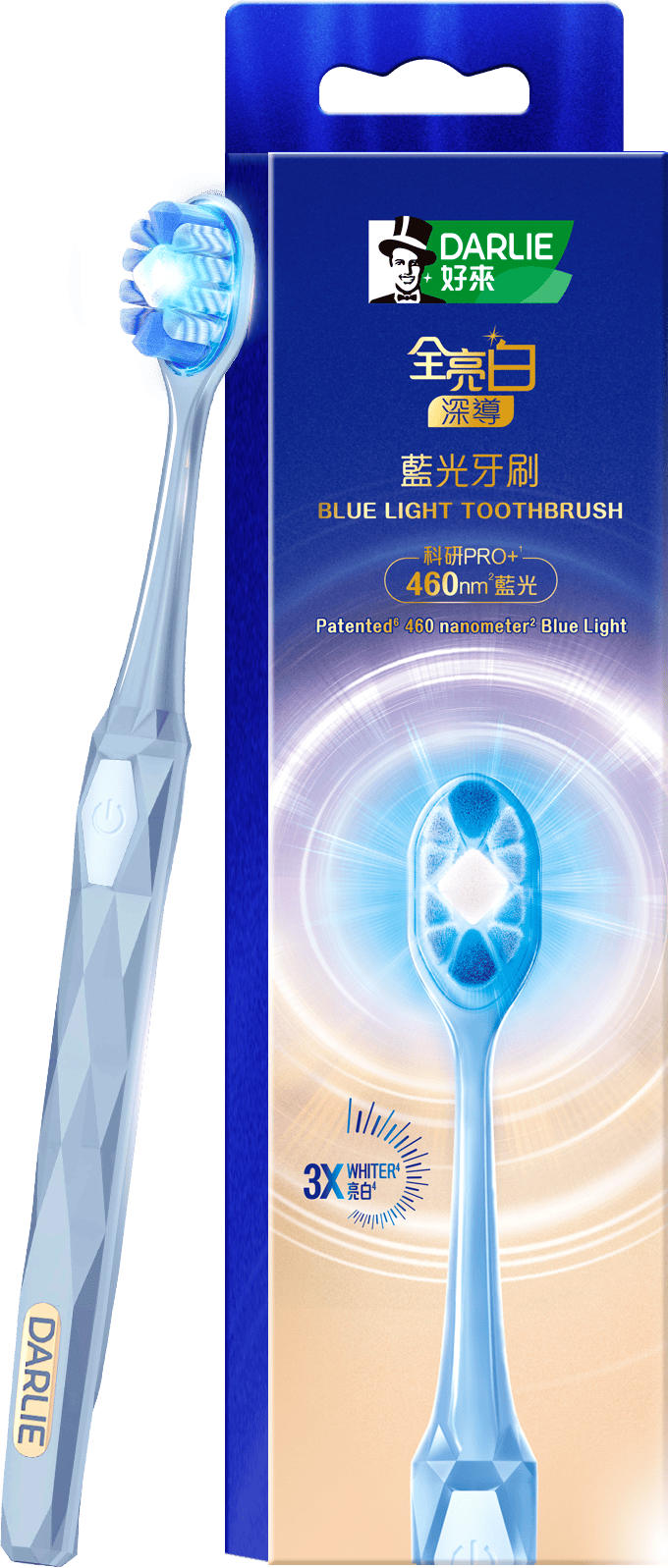
Before bed, clean between your teeth carefully with floss or interdental brushes. Brush again with a soft touch. If your gums feel calm and you want a whitening-focused night routine, DARLIE All Shiny White Magnificent Toothpaste can be used for its warming brushing sensation and ActivOxygen whitening action, while the DARLIE All Shiny White Magnificent Blue Light Toothbrush can complement the routine by helping blue light and toothpaste actives work together on stain particles.

Weekly check-in
Pay attention to how your mouth feels. Watch for any signs of irritation, such as:
If any of these signs appear or return, pause your whitening efforts and return to a simple, gentle care routine.
When to See a Dentist?
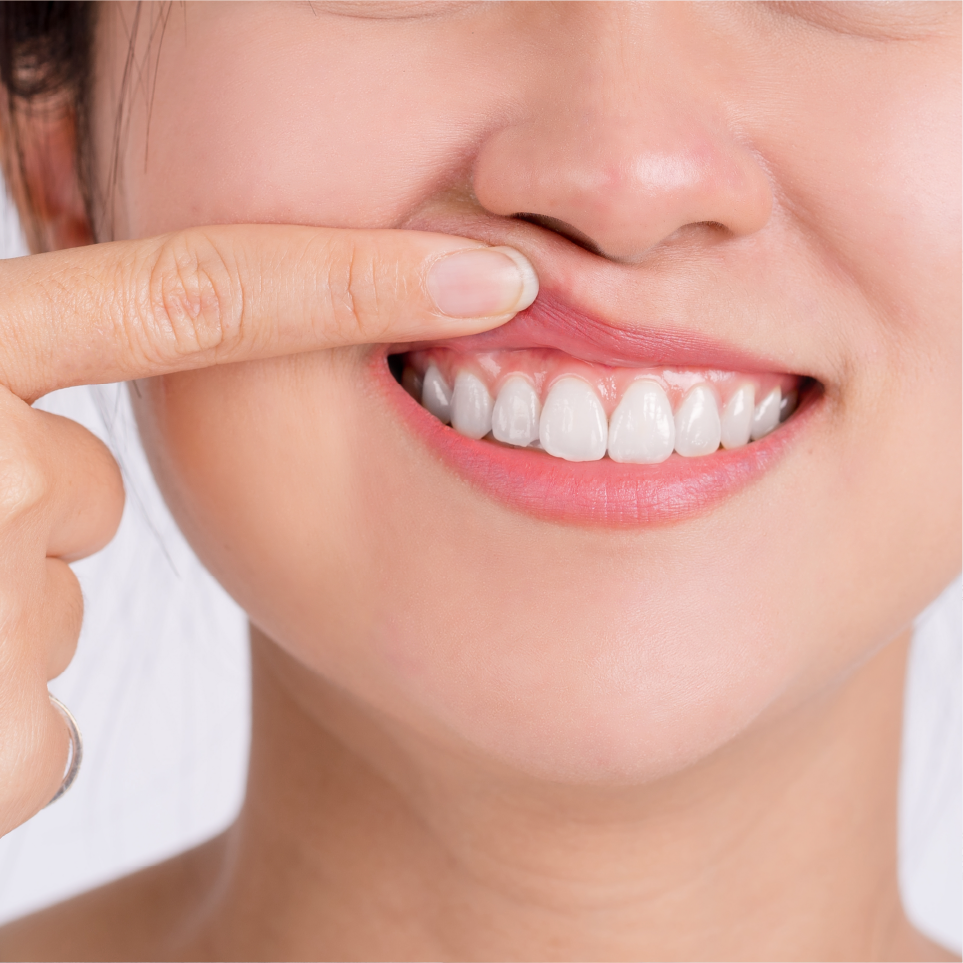
While many causes of bleeding gums can be managed at home, it is important to see a dentist if:
1. Cleveland Clinic. Bleeding Gums - https://my.clevelandclinic.org/health/diseases/10258-bleeding-gums
2. American Dental Association. Whitening - https://www.ada.org/en/resources/research/science-and-research-institute/oral-health-topics/whitening
3. American Dental Association. Toothpaste Abrasivity - https://www.ada.org/en/resources/research/science-and-research-institute/oral-health-topics/toothpastes
4. Ref: Anonymous. (2014). The Comparative Efficacy of two Toothpastes Containing 2% Zinc Citrate as compared to a Placebo Toothpaste in Controlling Established Plaque and Gingivitis. 1-10.
5. 15 Years Stain Reversal as fast as in 2 weeks. Removes discolouration on teeth. Effects may vary across individuals. With continued use twice daily
6. In vitro study, compared with the cleaning and whitening (brightening) performance of a general DARLIE Charcoal Tapered Bristle toothbrush.
2. American Dental Association. Whitening - https://www.ada.org/en/resources/research/science-and-research-institute/oral-health-topics/whitening
3. American Dental Association. Toothpaste Abrasivity - https://www.ada.org/en/resources/research/science-and-research-institute/oral-health-topics/toothpastes
4. Ref: Anonymous. (2014). The Comparative Efficacy of two Toothpastes Containing 2% Zinc Citrate as compared to a Placebo Toothpaste in Controlling Established Plaque and Gingivitis. 1-10.
5. 15 Years Stain Reversal as fast as in 2 weeks. Removes discolouration on teeth. Effects may vary across individuals. With continued use twice daily
6. In vitro study, compared with the cleaning and whitening (brightening) performance of a general DARLIE Charcoal Tapered Bristle toothbrush.
Frequently Asked Questions
A: It is best to pause any plans to whiten teeth until the bleeding stops. Whitening products can worsen existing irritation. Focus on a gentle oral care routine to help your gums recover first, then reconsider whitening.
A: For teeth whitening for sensitive gums, gentler starting points often include peroxide free whitening approaches and daily use of a non abrasive whitening toothpaste. These options can help lift surface stains with a lower risk of causing irritation.
A: Yes. A non abrasive whitening toothpaste can help polish away newer surface stains from things like coffee, tea, and wine3. While the results are typically more gradual than intensive whitening treatments, it can be an effective and gentler way to maintain a brighter smile.
A: The key to whitening without sensitivity is a multi-step approach: prepare your gums with a gentle routine first, choose a lower-irritation product, apply it carefully to avoid contact with gums, and space out whitening sessions to give your mouth time to rest.
Recommended Products