Filtered by Oral Health Goal
Introduction
A morning coffee or afternoon tea is a beloved ritual for many in Singapore, but it can come with an unwelcome side effect: brown coffee stains that dull your smile. This is a common, everyday concern, but the good news is that you do not have to choose between your favourite beverage and bright, healthy-looking teeth. Most of these brown stains are surface-level and can often be prevented or managed with simple, consistent habits. With the right daily care routine, you can enjoy your brew with confidence.
This guide explains why coffee and tea can cause a brown stain on teeth and shares practical, easy-to-follow tips on how to prevent coffee discolouration without giving up the drinks you love.
Understanding Brown Coffee Stains: Why Does Coffee Discolour Teeth?
Surface Staining vs. Deeper Tooth Discolouration
When we talk about tooth discolouration, it helps to know there are two main types. The first is extrinsic, or surface staining, which happens on the outer layer of your tooth, the enamel. The second is intrinsic discolouration, which occurs within the deeper structure of the tooth and may be linked to other causes such as injury or medication1.
Thankfully, most brown coffee stains fall into the extrinsic category1. This means they sit on the tooth surface and are often manageable with the right oral care routine.
What Causes Coffee Stains to Form?
Coffee contains compounds called chromogens, which are pigments that give it a deep colour, along with tannins that help these pigments cling to teeth2. Teeth are naturally coated with a thin film called the pellicle, and this surface can attract colour particles over time. Coffee is also mildly acidic, which may make it easier for stains to attach to enamel2.
Why Plaque Makes Stains Look Worse
Plaque is a soft, sticky film that constantly forms on teeth. If it is not removed regularly, it can hold onto colour and make brown coffee stains appear more noticeable3. This is why consistent brushing and flossing are important, as they help reduce the plaque that stains tend to cling to3.

Do Coffee and Tea Stain Teeth Differently?

Coffee Pigments vs. Tea Tannins
While both coffee and tea can stain teeth, they do so a little differently. Coffee is rich in dark pigments that often lead to yellowish-brown stains. Tea is often higher in tannins, which can contribute to greyish or brown discolouration. If you want to reduce tea staining, the same prevention habits, such as rinsing with water afterwards and maintaining good oral hygiene, can still help.
Does Slow Sipping Make Stains Worse?
Yes, the duration of exposure matters. Sipping one cup of coffee over several hours repeatedly exposes your teeth to acidic, pigment-rich liquid. This gives staining compounds more time to settle onto enamel. A useful habit for slow stain prevention coffee drinkers is to finish your cup within a shorter window instead of stretching it across the whole morning.
Who Is Most Likely to Get a Brown Stain on Teeth?
Everyday Habits That Increase Staining
Certain daily habits can make you more likely to develop a brown stain on teeth. These include:
Enamel Conditions That Make Stains Stick More Easily
The condition of your enamel also plays a role. Enamel that is naturally rougher, has microscopic wear, or has been worn down over time can give stains more places to attach. While you cannot always change enamel texture, protecting it with good oral care habits can help minimise how easily stains take hold.

How to Prevent Coffee Discolouration Without Giving Up Coffee

Rinse with Water Right After Drinking
This is one of the simplest habits you can adopt. After finishing your coffee, swish plain water around your mouth for about 30 seconds. This helps wash away leftover pigments and reduces the chance that a brown stain on teeth will form.
The Sip Through Straw Tip
For iced coffee, cold brew, or other chilled drinks, the sip through straw tip can help prevent coffee discolouration. Using a straw directs more of the liquid past your front teeth, reducing direct contact. While it may not eliminate staining completely, it can help reduce it on the most visible parts of your smile.
Drink Coffee in a Shorter Window, Not All Morning
To support slow stain prevention coffee habits, try to drink your coffee in one sitting over 15 to 30 minutes instead of sipping it for hours. This shortens the amount of time your teeth are exposed to staining compounds and gives them less opportunity to stick.
Wait Before Brushing
It may seem logical to brush right after coffee, but it is better to wait. Acidic drinks can temporarily soften enamel, so brushing immediately may be too abrasive2. A better habit is to rinse with water first, then wait at least 30 minutes before brushing.
Build a Strong Daily Oral Care Routine
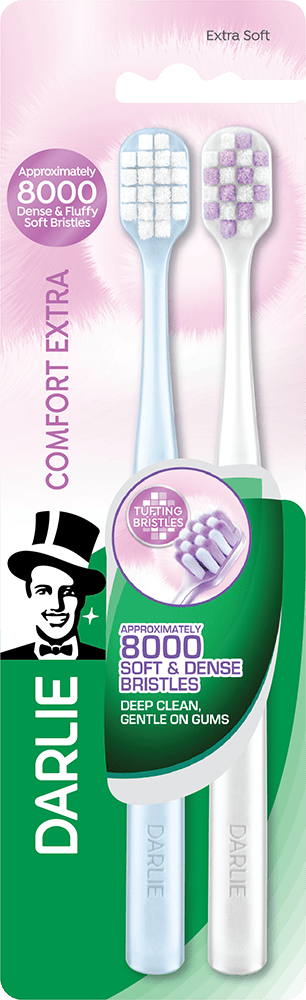
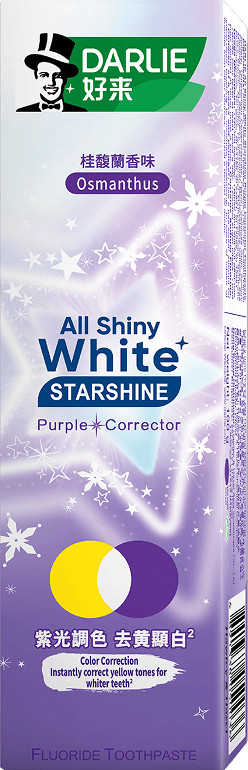
A strong daily routine is the foundation of stain prevention. Brushing twice a day for two minutes, flossing daily, and using fluoride toothpaste can help remove plaque and support enamel strength3. For a gentler clean, DARLIE Comfort Extra Toothbrush offers 8000+ ultra-dense soft bristles and a wide head for better coverage, while its hygienic cubic tufting supports better drainage. To brighten teeth while helping remove stains and prevent stain build-up, DARLIE All Shiny White Starshine Purple Toothpaste features concentrated colour-correction beads and 10 billion whitening star particles that instantly neutralise yellow tones for up to 300% whiter teeth, while helping to remove stains and prevent extrinsic stain build-up. With regular use, it also helps deliver 4+ shades whiter teeth in 7 days, combats tartar build-up while protecting enamel, and leaves a refreshing Osmanthus scent after every brush.
How to Reduce Existing Brown Coffee Stains
Gentle At-Home Options
If you are already noticing surface-level brown coffee stains, a whitening toothpaste can be a practical at-home option. DARLIE All Shiny White Magnificent Toothpaste is formulated with ActivOxygen technology that releases active oxygen whitening agents when it contacts water, helping to whiten in 3 days and deliver 12x stain dissolvability power5. Its non-aqueous formulation helps stabilise and seal the active oxygen, while the warming sensation during brushing supports stain removal across surface and deeper tooth layers. With continued twice-daily use, it is also described as helping reverse up to 15 years of tooth discolouration in as fast as 2 weeks6. For stains with a yellow tone, DARLIE All Shiny White Starshine Purple Toothpaste offers a complementary option, using colour-correction beads that instantly neutralise yellow discolouration for up to 4+ shades whiter teeth in 7 days.
When Professional Cleaning Helps More
For tougher surface stains or hardened plaque that has absorbed colour, a professional cleaning from your dentist or dental hygienist is often the most effective solution. If you find that a brown stain on teeth is particularly stubborn or you are concerned it may be something more than a surface stain, professional advice is recommended.

Brown Stain on Teeth: When It Might Not Be From Coffee

Signs It Could Be Something Else
Not every brown spot is caused by coffee. It is important to watch for signs that may point to another issue. These can include:
When to See a Dentist
You should schedule a dental check-up if you notice any of the signs above, or if a brown stain on teeth does not improve with a consistent oral hygiene routine. A dentist can assess the cause of the discolouration and recommend the appropriate next steps.
Quick Tips to Prevent Future Staining
Easy Dos and Don’ts
Keep your smile brighter with these simple guidelines:

Conclusion
Brown coffee stains are very common, but they do not have to get in the way of a confident smile. By understanding what causes them and adopting simple habits such as rinsing with water, shortening your sipping time, using a straw for cold drinks, and keeping up a strong oral care routine, you can better prevent coffee discolouration and manage everyday staining.
REFERENCES
1. Singapore Dental Association - https://www.sda.org.sg
2. Journal of Dentistry - The Effect of Acidic Beverages on Tooth Enamel
3. Ministry of Health Singapore - https://www.moh.gov.sg
4. Total polyphosphate (Tetrasodium Pyrophosphate,Disodium Pyrophosphate) and Hydrated Silica
5. Clinically proven, effectively enhance teeth whitening shade with continuous used for 3 days. Effects may vary across individuals
6. 15 Years Stain Reversal as fast as in 2 weeks. Removes discolouration on teeth. Effects may vary across individuals. With continued use twice daily
1. Singapore Dental Association - https://www.sda.org.sg
2. Journal of Dentistry - The Effect of Acidic Beverages on Tooth Enamel
3. Ministry of Health Singapore - https://www.moh.gov.sg
4. Total polyphosphate (Tetrasodium Pyrophosphate,Disodium Pyrophosphate) and Hydrated Silica
5. Clinically proven, effectively enhance teeth whitening shade with continuous used for 3 days. Effects may vary across individuals
6. 15 Years Stain Reversal as fast as in 2 weeks. Removes discolouration on teeth. Effects may vary across individuals. With continued use twice daily
Frequently Asked Questions
A: Yes, using a straw can help reduce stains, especially on your front teeth. The sip through straw tip works by directing more of the liquid towards the back of your mouth, reducing its contact with the most visible tooth surfaces.
A: Slow sipping extends the amount of time your teeth are exposed to coffee’s staining compounds and mild acidity. That longer contact gives stains more opportunity to adhere to enamel, which is why finishing your cup in a shorter period can help.
A: It is best to wait at least 30 minutes before brushing. Coffee is acidic and may temporarily soften enamel, so brushing immediately can be too abrasive. Rinsing with water right after drinking is a better first step.
A: The methods to reduce tea staining are similar to those for coffee. Rinse with water after drinking, keep up excellent brushing and flossing habits, and consider a whitening toothpaste to help manage surface stains.
Recommended Products