Filtered by Oral Health Goal
Have you ever noticed a bit of pink in the sink after brushing your teeth? Or maybe your gums feel a little tender or irritated at the gumline? It’s a common experience, and it’s often your mouth’s way of telling you to pay a little more attention to your gums. A good gum care toothpaste is designed to support daily plaque control, especially around the gumline, as part of a complete oral care routine1.
This Gum Expert review will walk you through what makes a gum-focused toothpaste different, the common reasons gums bleed, and which ingredients can help. We’ll also look at how DARLIE Expert Gum Care Toothpaste (Odor Control / Sensitivity Relief) fits into a daily routine and, most importantly, when it’s time to seek professional advice from your dentist. For those looking for a daily gum health toothpaste, this guide will help you understand your options.
What Is Gum Care Toothpaste, and How Is It Different?
Standard Toothpaste vs. Gum Care Toothpaste
Most standard toothpastes do a great job focusing on cavity protection, which is essential. However, a gum care toothpaste is formulated with an extra goal in mind: to support plaque control and care for the gumline, all while still protecting against cavities. Think of it as a multi-tasking product for your overall oral health.

Why the Gumline Matters
The gumline—the area where your teeth meet your gums—is a prime spot for plaque to collect. This sticky film of bacteria is the main culprit behind early gum irritation1. When plaque isn't removed effectively, it can lead to problems, making the gumline a critical area to focus on during your daily brushing.

Where Gum Expert Fits
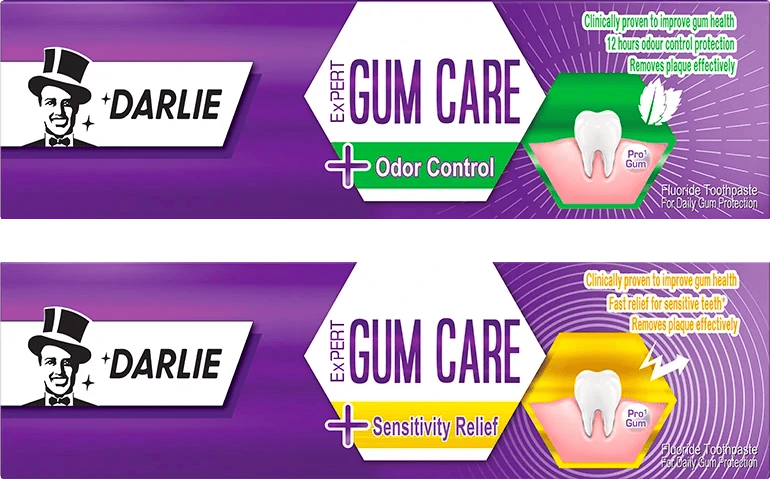
DARLIE Expert Gum Care Toothpaste (Odor Control / Sensitivity Relief) is designed as a daily toothpaste for people who want more targeted gum care as part of an easy, everyday routine. Its specially combined Bio-Gum formula with active Zinc Citrate is clinically proven to improve gum health, offers 300% more plaque reduction, and helps kill 99.9% oral bacteria for healthier gums and fresher breath. It also includes variants that offer 12 hours odor control protection for longer-lasting fresh breath and fast sensitivity relief for sensitive teeth in 2 weeks7.
Why Do Gums Bleed?
The Simple Explanation: Plaque Irritation
In most cases, bleeding gums are a sign of plaque buildup2. Plaque is a sticky, colourless film of bacteria that constantly forms on our teeth1. If it’s allowed to sit near the gumline, it can irritate the gums, causing them to become red, puffy, and more likely to bleed during brushing or flossing3. This early stage of gum irritation is known as gingivitis.
Early Signs to Watch For
Factors That Can Make Gum Problems Worse
While plaque is the primary cause, other factors can increase your risk of gum issues:

What Ingredients Matter in a Gum Care Toothpaste?

Fluoride and Plaque-Control Support
Fluoride is a must-have in any toothpaste for its proven ability to strengthen tooth enamel and protect against cavities4. In a gum health toothpaste, this is often combined with ingredients specifically chosen to support plaque control. For example, some formulas include active ingredients like Zinc Citrate, which can help support gum health by reducing plaque buildup5.
Tartar-Control Support
When plaque isn't removed, it can harden into tartar, also called calculus. While a toothpaste can’t remove existing tartar, some formulas can help slow down the formation of new tartar on your teeth, making it easier to maintain a clean mouth between dental visits3.
Sensitivity Support
Irritated gums can sometimes lead to tooth sensitivity. The roots of your teeth can become more exposed, making them sensitive to hot or cold temperatures. For this reason, some gum care formulas also include ingredients to provide comfort and relief from sensitivity6.
Quick Jargon Buster
Gum Expert Review: Features, Benefits, and Realistic Expectations
What a Gum-Focused Toothpaste Can Help With
A quality gum care toothpaste can be a great addition to your oral hygiene routine. It is designed to support the daily removal of plaque along the gumline, help reduce irritation and puffiness linked to plaque buildup, support fresher breath by targeting bacteria, and fit easily into a simple, twice-daily brushing routine.

What It Cannot Do
It’s important to have realistic expectations. Even a highly effective gum care toothpaste has its limits:

Who May Find It Useful
This type of toothpaste is particularly helpful for:

Soft Product Placement
As a practical example, DARLIE Expert Gum Care Toothpaste (Odor Control / Sensitivity Relief) combines a Bio-Gum formula with active Zinc Citrate to support healthier gums. It is clinically proven to improve gum health, delivers 300% more plaque reduction, and kills 99.9% oral bacteria, while selected variants also provide longer-lasting odor control or sensitivity relief7.
How to Build a Better Daily Gum Care Routine
Brush Gently, Twice a Day
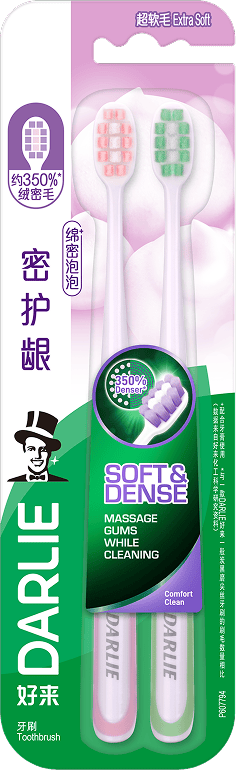
Technique matters more than force4. Always use a soft-bristled toothbrush and brush for a full two minutes, twice a day. Angle the brush at 45 degrees toward the gumline and use gentle, short strokes to clean effectively without causing more irritation2. Using a suitable toothbrush is also important; DARLIE High Density Toothbrush features advanced square bristles turfing technology that creates 3.5x denser and softer bristles than a normal toothbrush, while its 0.01mm slim-tip extra-soft bristles gently massage gums and clean deep in-between teeth. Its high dense bristle arrangement also helps generate fine foam easily for deep overall cleansing.

Don’t Skip Between-Teeth Cleaning
Brushing alone can’t reach the tight spaces between your teeth and under the gumline where plaque loves to hide. Daily flossing or using interdental brushes is essential for removing this hidden plaque and maintaining good gum health8.

Consider a Supportive Rinse If Needed
For some people, an anti-bacterial mouth rinse can be a useful addition to help reduce bacteria in the mouth. Ask your dentist if a rinse would be a good fit for your routine.

Product Integration Point
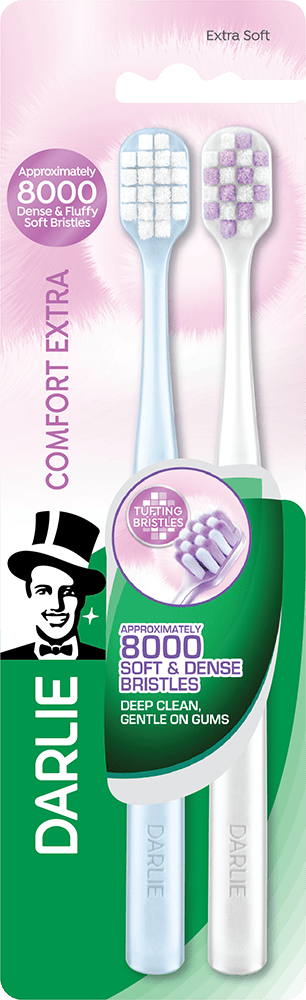
Pairing a gum strengthening toothpaste with a gentle but effective toothbrush completes your routine. DARLIE Comfort Extra Toothbrush offers 8000+ ultra-dense soft bristles, a wide head for better coverage, and hygienic cubic tufting for better drainage. It also delivers 3-second flash foaming for efficient cleaning, making it a practical choice for consistent, gentle care.

When to See a Dentist
Signs That Need Professional Attention
A good daily routine can manage many early gum issues, but some signs mean it's time to book a dental appointment:
Why a Dentist Matters
Your dentist can provide a professional cleaning to remove hardened tartar that you can’t get rid of at home3. They can also diagnose the cause of your gum issues and recommend a treatment plan. Early gum problems are almost always easier to manage when they are addressed sooner rather than later.
Helpful Reminder
Please remember that a gum care toothpaste is designed to support your daily oral hygiene, but it does not replace professional dental check-ups or treatment. Always consult your dentist for advice tailored to your specific needs.

A dedicated gum care toothpaste can be a valuable part of a gum-friendly routine, especially when combined with gentle brushing, daily flossing, and regular visits to the dentist. The most important takeaway is that healthier gums depend on consistent, daily plaque control—it’s the daily habits that make the biggest difference, not just the toothpaste alone. For readers looking for a toothpaste specifically focused on gum care, DARLIE Expert Gum Care Toothpaste (Odor Control / Sensitivity Relief) may be a suitable and practical choice to support better gum health.
REFERENCES
1. National Institute of Dental and Craniofacial Research — Gum Disease - https://www.nidcr.nih.gov/health-info/gum-disease/more-info
2. NHS — Bleeding gums - https://www.nhs.uk/conditions/bleeding-gums/
3. CDC — About Gum Disease - https://www.cdc.gov/oral-health/about/gum-disease.html
4. NHS — How to keep your teeth clean - https://www.nhs.uk/live-well/healthy-teeth-and-gums/how-to-keep-your-teeth-clean/
5. HealthHub Singapore — Gum disease - https://www.healthhub.sg/a-z/diseases-and-conditions/gum-disease
6. MouthHealthy — Tooth Sensitivity - https://www.mouthhealthy.org/all-topics-a-z/tooth-sensitivity
7. Ref: Anonymous. (2014). The Comparative Efficacy of two Toothpastes Containing 2% Zinc Citrate as compared to a Placebo Toothpaste in Controlling Established Plaque and Gingivitis. 1-10.
8. MouthHealthy — Flossing - https://www.mouthhealthy.org/all-topics-a-z/flossing
1. National Institute of Dental and Craniofacial Research — Gum Disease - https://www.nidcr.nih.gov/health-info/gum-disease/more-info
2. NHS — Bleeding gums - https://www.nhs.uk/conditions/bleeding-gums/
3. CDC — About Gum Disease - https://www.cdc.gov/oral-health/about/gum-disease.html
4. NHS — How to keep your teeth clean - https://www.nhs.uk/live-well/healthy-teeth-and-gums/how-to-keep-your-teeth-clean/
5. HealthHub Singapore — Gum disease - https://www.healthhub.sg/a-z/diseases-and-conditions/gum-disease
6. MouthHealthy — Tooth Sensitivity - https://www.mouthhealthy.org/all-topics-a-z/tooth-sensitivity
7. Ref: Anonymous. (2014). The Comparative Efficacy of two Toothpastes Containing 2% Zinc Citrate as compared to a Placebo Toothpaste in Controlling Established Plaque and Gingivitis. 1-10.
8. MouthHealthy — Flossing - https://www.mouthhealthy.org/all-topics-a-z/flossing
Frequently Asked Questions
A: A good gum care toothpaste can help by supporting daily plaque control. Since plaque buildup is a common cause of irritation and bleeding, reducing it can often help lessen these symptoms. However, if bleeding is ongoing, it should always be checked by a dentist.
A: While both protect against cavities, gum-focused formulas are specifically designed to support the gumline more directly. They often contain ingredients aimed at reducing plaque and soothing the irritation it can cause.
A: Results can vary from person to person. Consistent good habits, including proper brushing and daily flossing, are typically needed for several weeks before you may notice a visible improvement in your gum health.
A: Yes, absolutely. Toothpaste and brushing clean the surfaces of your teeth, but flossing is essential for removing plaque from between the teeth and under the gumline, where a toothbrush can’t easily reach.
Recommended Products