Filtered by Oral Health Goal

Achieving a true 'deep clean' starts with a powerful daily routine, like brushing twice a day and using mouthwash every day. But even with a great routine, how do you take that clean to the next level? You might be missing a step that targets the hidden 30% of your tooth's surface—the gaps between your teeth. The key is adding flossing on top of your brushing routine to keep your oral health in tip-top condition1. This guide will show you how to floss properly to complete your deep clean.

Your Deep Clean Starts with the Right Products
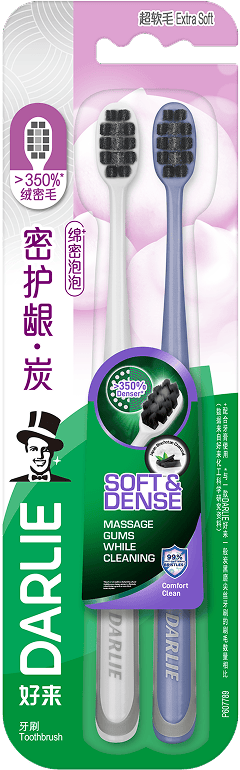
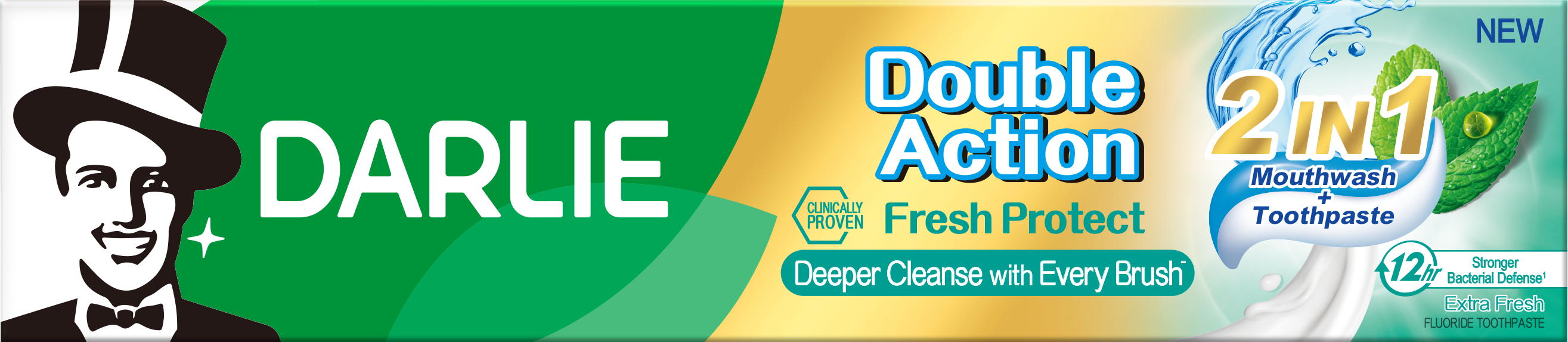
Your deep clean starts with the right products because achieving truly healthy teeth and gums is about using the best tools and formulas as your foundation. The right tool for gums and gaps is the DARLIE High Density Charcoal Gum Care Toothbrush, which enables >350% denser* and 0.01mm# slim tip bristles. These soft, velvety bristles gently massage your gums while reaching deep along the gumline for a thorough clean. Complementing this is the right formula to flow, the DARLIE Double Action Fresh Protect 2in1 Mouthwash Toothpaste , which uses advanced LiquiDual technology for 3X plaque removal power and 12-hour bacterial defense. Together, these form a strong base for your oral care routine. Without the right flossing technique and products, you have to rely heavily on flossing to catch what’s missed, so starting with DARLIE sets the best possible foundation for a deep clean and lasting oral health.

Why Flossing is the Essential Next Step
Flossing is the perfect finishing step after brushing, targeting the hidden areas between your teeth that a toothbrush can’t reach. It works by breaking up and removing the sticky plaque biofilm that builds up in these tight spaces. The main benefits of flossing include preventing cavities by clearing plaque from between teeth, stopping gum disease and gingivitis by cleaning below the gumline, and fighting bad breath by eliminating trapped food particles that cause odor2. This extra care helps protect your teeth and gums for a healthier smile and fresher breath.
How to Floss Teeth Properly:
A 5-Step Flossing Technique
Keeping your teeth and gums healthy means removing plaque and food debris from places your toothbrush can’t reach. Flossing daily is essential for this, but technique matters to avoid hurting your gums and to clean thoroughly. Follow this 5-step flossing technique to get the best results3.
Step 1: Get the Right Length
Pull out about 18 inches (45 cm) of floss—about the length from your hand to your shoulder. This length provides enough floss to use a clean section for every tooth.

Step 2: Get a Good Grip
Wrap most of the floss around your middle fingers. This is the "storage" finger. Use your thumbs and index fingers to control a tight, 1- to 2-inch section of floss for precise handling.

Step 3: The Gentle Slide
Use a gentle back-and-forth "sawing" motion to guide the floss between your teeth. Key Mistake to Avoid: Never snap the floss down onto your gums as this can cause damage.

Step 4: The "C-Shape" (The Most Important Step)
Once the floss is at the gumline, curve it into a "C" shape against the side of one tooth. Gently slide the floss into the space between your tooth and your gum, just until you feel resistance.

Step 5: Slide, Lift, and Repeat
Gently rub the floss up and down against the side of that tooth 2-3 times. Lift the floss over the small triangle of gum (the papilla) and curve it against the other tooth in the same gap. Repeat the up-and-down motion. As you move to the next tooth, unwind a fresh section of floss from your middle finger.

Common Flossing Mistakes
(and How to Fix Them)
Even if you floss regularly, small mistakes can make a big difference in how effective your routine is. Here are some common mistakes and simple ways to correct them.

Mistake 1: Flossing Too Hard
Being too aggressive can injure your gums and cause unnecessary pain.
Fix: Be gentle. The goal is to rub, not scrub or snap. Overly aggressive flossing can damage gum tissue, leading to discomfort and potential gum recession.
Mistake 2: Skipping the Back Molars
It’s easy to overlook the back teeth, but they’re where plaque and food particles often hide.
Fix: These are common problem areas. Make a conscious effort to floss every single tooth. The back molars are often neglected, yet they are crucial to floss as they are more prone to plaque buildup and cavities.
Mistake 3: Reusing the Same Floss Section
Running the same piece between multiple teeth spreads bacteria instead of removing it.
Fix: This just moves bacteria from one gap to another. Always use a clean section for each gap. Clean floss ensures you are not reintroducing bacteria into your mouth.
Mistake 4: Stopping When Your Gums Bleed
Bleeding gums can be a sign of inflammation from plaque, not a reason to stop.
Fix: A little bleeding at first is often a sign of gingivitis (inflammation) caused by the plaque you're trying to remove. Be extra gentle and consistent. If it doesn't stop after 3-5 days, see your dentist. Consistent flossing will often reduce and eventually stop the bleeding as your gum health improves.
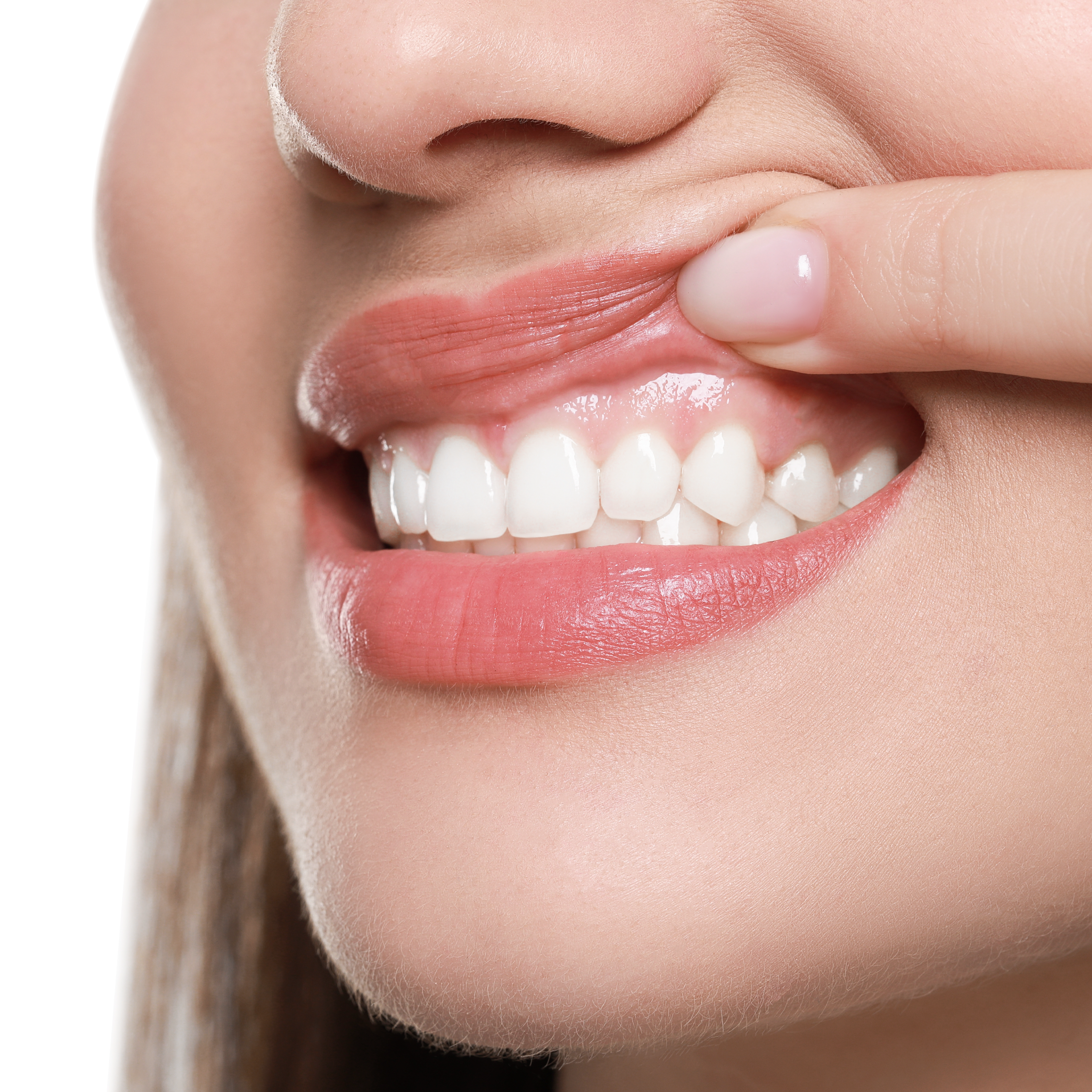
Flossing isn't just an "extra" you do when you have something stuck in your teeth—it's the vital step that completes your daily oral health routine. By using the correct 5-step "C-shape" flossing technique on top of your daily DARLIE brushing, you are taking complete charge of your oral health. Embrace this complete routine for healthier gums and that signature 2X Freshness.
*Comparing with the bristle amount of a DARLIE Charcoal Tapered Bristle Toothbrush.
#Bristle tip is less than 0.01mm.
1. https://www.ada.org/resources/ada-library/oral-health-topics/floss
2. https://www.nidcr.nih.gov/health-info/gum-disease
3. https://www.healthline.com/health/how-to-floss
#Bristle tip is less than 0.01mm.
1. https://www.ada.org/resources/ada-library/oral-health-topics/floss
2. https://www.nidcr.nih.gov/health-info/gum-disease
3. https://www.healthline.com/health/how-to-floss
Recommended Products