Filtered by Oral Health Goal
Understanding Enamel Erosion and Protecting Teeth
Have you ever felt a twinge of sensitivity when sipping a cold drink? That can be an early sign of enamel erosion, a common dental concern caused by repeated acid exposure1. Understanding how to protect your tooth enamel is an important step towards a healthier, more comfortable smile.
What Is Tooth Enamel & Why Does It Matter?
The Hardest Substance in the Body
Tooth enamel is the outer protective layer of your teeth and the hardest substance in the human body2. It acts as a strong shield for the softer, more sensitive parts of the tooth underneath, such as dentin and pulp.
How Enamel Protects the Inner Tooth
Healthy enamel helps protect your teeth from daily chewing forces, temperature sensitivity, and the effects of acids from food and drinks3. Strong enamel supports comfort, appearance, and long-term oral health.
Why Enamel Cannot Regenerate Naturally
Unlike living tissues such as skin or bone, enamel does not contain living cells, so once it is lost, the body cannot grow it back naturally2. That is why preventing enamel erosion matters.
What Is Enamel Erosion?

A Simple Definition of Acid Wear
Enamel erosion is the gradual wearing away of tooth enamel caused by acids rather than bacteria1. Over time, this direct chemical process can weaken the tooth surface and lead to acid erosion teeth.
Enamel Erosion vs. Cavities
Enamel erosion happens when acids from foods, drinks, or stomach contents directly wear down enamel, while cavities develop when bacteria feed on sugars and produce acids that cause tooth decay4.
How Acid Weakens the Tooth Surface
Repeated acid exposure softens enamel and causes demineralisation, which makes the tooth surface weaker and easier to wear away during everyday chewing or brushing5.
Early and Advanced Enamel Erosion Signs
Early Warning Signs to Look For
Early enamel erosion signs can be subtle, including a smooth or shiny tooth surface, slight transparency at the edges of front teeth, and mild sensitivity to hot, cold, or sweet foods and drinks1.
More Advanced Signs of Enamel Loss
As enamel loss progresses, teeth may look more yellow as dentin becomes more visible, surfaces may appear flatter or shorter, and the edges of teeth may chip or crack more easily1.
Why Sensitivity Can Be an Early Clue
Sensitivity is often one of the first enamel erosion signs because thinning enamel gives the dentin underneath less protection from temperature changes and certain foods3.

What Causes Enamel Erosion?

Common Acidic Foods and Drinks
Frequent intake of acidic foods and drinks such as soft drinks, citrus juices, sports drinks, sparkling water, and sour sweets can increase the risk of enamel erosion, especially when they are sipped often throughout the day5.
Stomach Acid and Acid Reflux
Acid reflux, frequent vomiting, and similar conditions can expose teeth to strong stomach acid, which may cause significant acid erosion teeth over time1.
Dry Mouth and Other Risk Factors
Saliva helps neutralise acids and support enamel repair, so dry mouth can leave teeth more vulnerable to acid attacks6. Frequent snacking and a diet high in sugar or starch may also raise overall risk4.
Can Enamel Be Strengthened or Remineralised?
What Remineralisation Means
Enamel remineralisation is the natural process of restoring minerals such as calcium and phosphate to the tooth surface, helping to strengthen enamel in its early weakened stages7.
What It Can and Cannot Do
Remineralisation can help strengthen enamel that has been softened by early acid exposure, but it cannot rebuild enamel that has already been lost1.
How Daily Minerals and Fluoride Help
Saliva supports this repair process, and fluoride for enamel can further strengthen the surface and improve resistance to future acid attacks7.

How to Protect Your Teeth from Further Enamel Erosion
The Brushing Delay Rule After Acid Exposure
After having something acidic, it is best to wait about 30 to 60 minutes before brushing so saliva has time to neutralise acids and begin the remineralisation process.

Daily Habits That Help Reduce Acid Wear
Rinsing with water after acidic foods or drinks, using a straw for acidic beverages, avoiding prolonged sipping, and reducing how often you have highly acidic items can all help lower acid wear on teeth5.

Building an Enamel-Friendly Oral Care Routine
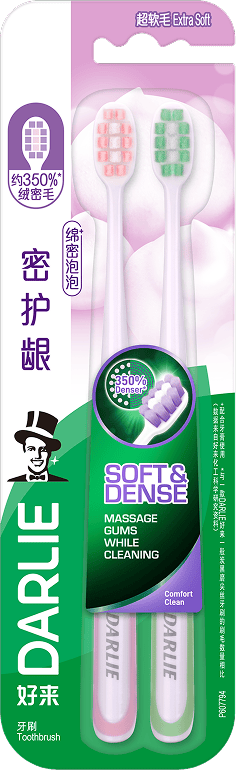
A gentle daily routine can help support stronger teeth and reduce further wear. The DARLIE High Density Gum Care Toothbrush uses advanced square bristle turfing technology to deliver 3.5x denser and softer bristles than a normal toothbrush, while its 0.01mm slim tip extra soft bristles gently massage gums and clean deep in-between teeth. Its high-density bristle arrangement also helps create fine, dense foam easily for a thorough overall clean.
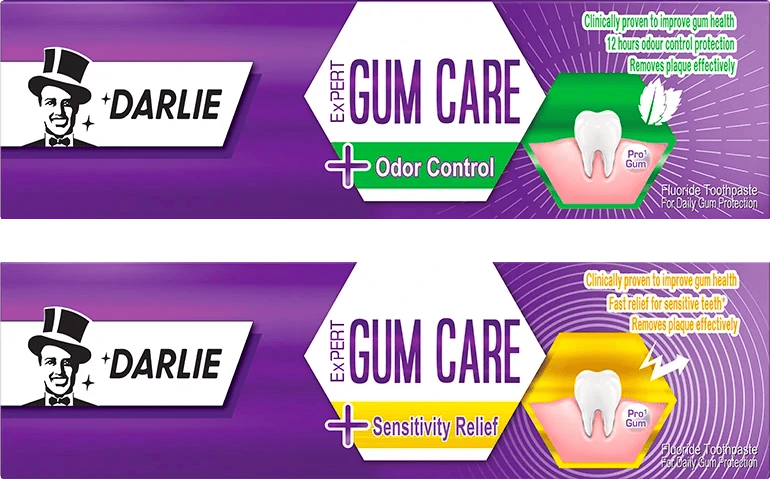
Pairing it with DARLIE Expert Gum Care Toothpaste (Odor Control / Sensitivity Relief) can support a more complete care routine. This toothpaste combines a Bio-Gum formula with active Zinc Citrate, is clinically proven to improve gum health, helps deliver 300% more plaque reduction, and kills 99.9% oral bacteria8. It also offers 12 hours odor control protection for longer-lasting fresh breath and fast sensitivity relief for sensitive teeth in 2 weeks8.

When to See a Dentist

Signs You Should Not Ignore
If you have persistent tooth pain, severe sensitivity, visible yellow dentin, or rough and chipped tooth edges, it is a good idea to see a dentist for an assessment1.
What a Dentist May Recommend
A dentist may recommend options such as fluoride treatments, bonding, crowns, or other protective care depending on how much enamel has been lost2.
1. Dental Erosion | American Dental Association - https://www.ada.org/resources/ada-library/oral-health-topics/dental-erosion
2. Dental Enamel Formation and Implications for Oral Health and Disease - PMC - https://pmc.ncbi.nlm.nih.gov/articles/PMC6151498/
3. Cracks in the Code: What Really Keeps Teeth Strong | NIDCR - https://www.nidcr.nih.gov/news-events/nidcr-news/cracks-code-what-really-keeps-teeth-strong
4. The Tooth Decay Process: How to Reverse It and Avoid a Cavity | National Institute of Dental and Craniofacial Research - https://www.nidcr.nih.gov/health-info/tooth-decay/more-info/tooth-decay-process
5. Chapter 7: tooth wear | GOV.UK - https://www.gov.uk/government/publications/delivering-better-oral-health-an-evidence-based-toolkit-for-prevention/chapter-7-tooth-wear
6. Oral Health in America: Advances and Challenges — NIDCR - https://www.nidcr.nih.gov/sites/default/files/2024-08/oral-health-in-america-advances-and-challenges-full-report.pdf
7. About Fluoride | Oral Health | CDC - https://www.cdc.gov/oral-health/prevention/about-fluoride.html
8. Ref: Anonymous. (2014). The Comparative Efficacy of two Toothpastes Containing 2% Zinc Citrate as compared to a Placebo Toothpaste in Controlling Established Plaque and Gingivitis. 1-10.
2. Dental Enamel Formation and Implications for Oral Health and Disease - PMC - https://pmc.ncbi.nlm.nih.gov/articles/PMC6151498/
3. Cracks in the Code: What Really Keeps Teeth Strong | NIDCR - https://www.nidcr.nih.gov/news-events/nidcr-news/cracks-code-what-really-keeps-teeth-strong
4. The Tooth Decay Process: How to Reverse It and Avoid a Cavity | National Institute of Dental and Craniofacial Research - https://www.nidcr.nih.gov/health-info/tooth-decay/more-info/tooth-decay-process
5. Chapter 7: tooth wear | GOV.UK - https://www.gov.uk/government/publications/delivering-better-oral-health-an-evidence-based-toolkit-for-prevention/chapter-7-tooth-wear
6. Oral Health in America: Advances and Challenges — NIDCR - https://www.nidcr.nih.gov/sites/default/files/2024-08/oral-health-in-america-advances-and-challenges-full-report.pdf
7. About Fluoride | Oral Health | CDC - https://www.cdc.gov/oral-health/prevention/about-fluoride.html
8. Ref: Anonymous. (2014). The Comparative Efficacy of two Toothpastes Containing 2% Zinc Citrate as compared to a Placebo Toothpaste in Controlling Established Plaque and Gingivitis. 1-10.
Frequently Asked Questions
A: Lost enamel cannot be fully restored naturally, but early weakening may be managed through enamel remineralisation to help strengthen the remaining surface1.
A: Common enamel erosion signs include sensitivity, a smooth or shiny surface, yellowing, worn edges, and small chips or cracks1.
A: Yes. Fluoride for enamel can strengthen the tooth surface and make it more resistant to acid attacks7.
A: Rinse with water after acidic foods or drinks and wait 30 to 60 minutes before brushing to avoid scrubbing softened enamel5.
Recommended Products