Filtered by Oral Health Goal
There's no denying that a bright, white smile is highly sought after these days. Whether scrolling through social media or meeting new people, many of us desire to showcase a set of gleaming teeth. However, while the appeal of a dazzling smile is undeniable, it’s crucial to understand the difference between tooth bleaching and tooth whitening—and to know which methods are safe. In this article, we'll explain how tooth bleaching works, its potential side effects, and how you can maintain your pearly whites safely. Along the way, we’ll introduce some innovative products from the DARLIE All Shiny White series that can enhance your oral care routine without compromising your dental health.
Understanding Tooth Bleaching: What It Is and How It Works
Clarifying the Terms
Before discussing the pros and cons of bleaching, it's important to distinguish between two commonly used terms: whitening and bleaching. Whitening typically refers to the process of removing surface stains to restore your tooth’s natural color. Bleaching, on the other hand, uses chemical agents—most notably hydrogen peroxide or carbamide peroxide—to lighten teeth beyond their natural shade1
Methods, Chemicals, and Impact
In-office bleaching treatments often use high-concentration chemicals for faster and more dramatic results2. At-home kits are also popular, though they generally use lower concentrations for safety. The key with both approaches is how carefully the product is formulated and used.
Conversely, many people prefer whitening methods that focus on stain removal rather than chemical alteration. These methods are generally gentler and more affordable. The goal is to balance your expectations with your oral health needs.

Potential Side Effects of Tooth Bleaching: What Are the Risks?
Tooth Sensitivity
One of the most common side effects of tooth bleaching is sensitivity. This occurs when the treatment dehydrates the tooth or opens up tiny channels in the enamel, causing discomfort that usually subsides after a few days to a week3. If you’re prone to sensitivity, consider using a sensitive toothpaste or reducing treatment times. Pairing your routine with a toothbrush designed for gentle care—like the NEW Diamond Shine Whitening Toothbrush—is an excellent way to minimize irritation.

Gum Irritation
Gum irritation is another potential risk during the bleaching process. Bleaching agents can accidentally come into contact with your gum tissue, leading to redness, swelling, or discomfort4. Therefore, it's vital to use properly fitted trays for at-home treatments and follow your dentist’s recommendations closely.

Enamel Damage (with Overuse)
While occasional bleaching under the right conditions is generally safe, overuse or improper application can lead to enamel damage5. Weakened enamel isn’t just a cosmetic issue—it can result in increased sensitivity and a higher risk of cavities. Always adhere to product instructions and consult your dentist if you’re uncertain about the frequency or duration of bleaching treatments.

Uneven Whitening/White Spots
Sometimes, you might experience uneven whitening or notice white spots after a bleaching treatment6. These effects can be due to pre-existing conditions or uneven application of the gel. When this happens, professional touch-ups or other corrective treatments might be necessary to achieve an even, natural look.

Minimising the Risks: How to Bleach Your Teeth Safely

Consult a Dentist
A pre-treatment consultation with your dentist is essential. A thorough dental exam can help identify issues like cavities or gum disease that might make you more susceptible to the side effects of bleaching. A professional can then tailor the bleaching method—including the concentration of chemicals—to suit your specific needs.

Follow Instructions Carefully
The effectiveness and safety of any bleaching treatment depend on strictly following the provided instructions. Pay close attention to the recommended application time, frequency, and proper storage of the product. This diligence is particularly important when using over-the-counter kits.

Use Quality Products
Not all bleaching and whitening products are created equal. Choosing reputable brands with proven safety records is crucial. For instance, when you’re looking to enhance your smile without risking damage, consider integrating high-quality oral care products into your routine. DARLIE offers innovative solutions—for example, their range of whitening toothpaste is designed not only to brighten your smile but also to care for your enamel.

Use a Soft-Bristle Toothbrush
Your teeth and gums can be more sensitive after bleaching. Using a soft-bristle toothbrush helps to clean gently without causing additional irritation. For a toothbrush designed with comfort in mind, consider the DARLIE Gentle & Charcoal Comfort Toothbrush, which is equipped with soft, tapered bristles for a gentle, yet effective, clean.
Safe Ways to Whiten Teeth
There are many ways to safely brighten your smile without resorting to aggressive bleaching treatments.
Professional Cleaning/Dental Polishing
One of the safest methods to remove surface stains is through professional cleaning or dental polishing. This approach gently removes extrinsic stains while preserving your tooth’s natural strength and colour.

Whitening Toothpaste
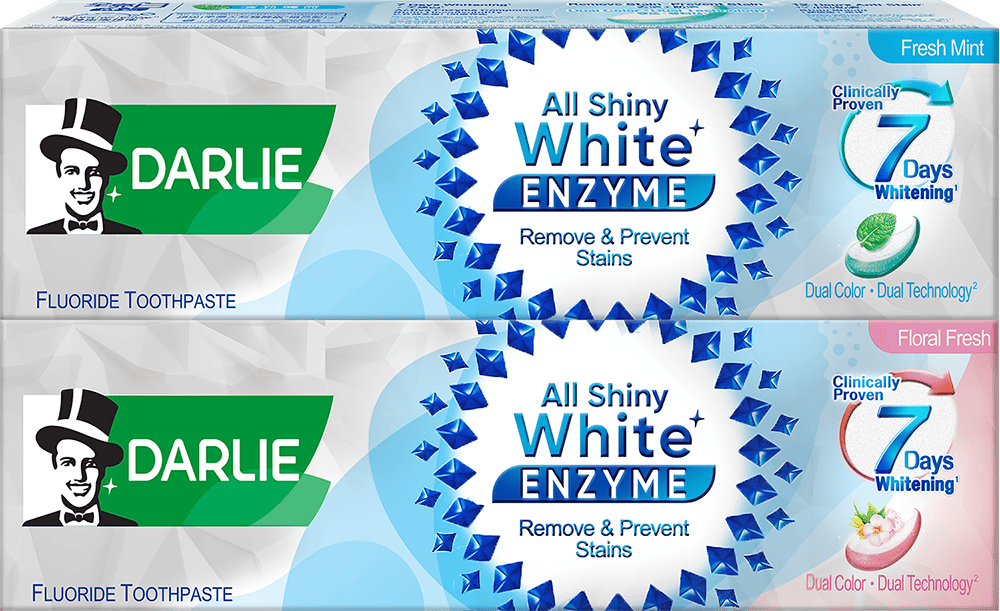
For daily maintenance, whitening toothpaste is an excellent option. Two great choices are available from the DARLIE All Shiny White series. If you struggle with tough stains, the DARLIE All Shiny White Enzyme Whitening Toothpaste could be your go-to. It combines a dual enzyme formula, which includes natural enzymes derived from Papain and Glucanase, with Black Pearl Powder and Fine Whitening Microparticles* to tackle even the most stubborn discoloration, delivering noticeable results in just seven days**. If rapid yet safe for enamel, whitening is what you’re after, the DARLIE All Shiny White Magnificent Toothpaste employs “ActivOxygen***” Whitening Technology to reverse deep stains in as little as three days****.
For the best results, pair either of the toothpastes with the NEW Diamond Shine Whitening Toothbrush. Its Diamond Polish Core bristles offer three times^ the whitening power while ensuring thorough cleaning and providing gentle care for sensitive gums.

Whitening Strips
Whitening strips remain a popular at-home option. They can effectively lift surface stains, but it’s essential to use them in moderation and follow all usage instructions to prevent sensitivity or uneven results. Whitening strips can work well as part of a comprehensive whitening strategy that includes daily oral care with specialized toothpaste and a gentle toothbrush.

Maintaining Your White Smile: Long-Term Care and Prevention
Achieving a bright smile is only the first step—long-term care is equally important. Here are some strategies to help you maintain those results:
Dietary Considerations
Your diet plays a significant role in the longevity of your white smile. Limiting consumption of staining beverages like coffee, tea, and red wine can help reduce the risk of discoloration. Rinsing your mouth with water after consuming such items may also help minimize future stains.

Quit Smoking
There’s no question that smoking can take a toll on your smile. Not only does it stain your teeth over time, but it also negatively impacts your overall oral health. Quitting smoking not only benefits your health but can vastly improve the appearance of your teeth.

Regular Dental Checkups
Routine dental visits are indispensable for both preventive care and professional maintenance. Regular checkups ensure that any potential issues are caught early, preserving both your oral health and the effects of any whitening treatments you may have undertaken.

Touch-Up Treatments
Even with a diligent oral care routine, occasional touch-up treatments might be necessary to maintain your bright smile. These can be done professionally or at home using quality whitening products.

Tooth bleaching, when performed properly, can offer a swift boost to your smile—but it’s important to be aware of both its benefits and potential side effects. By understanding the differences between bleaching and whitening, consulting with your dentist, and using quality products, you can reduce the risks while achieving the bright smile you desire. For those who want a gentle yet effective solution, incorporating a tailored oral care routine can make all the difference. Products like the DARLIE All Shiny White Enzyme Whitening Toothpaste and DARLIE All Shiny White Magnificent Toothpaste deliver targeted stain removal and enamel care, and pair it with the NEW Diamond Shine Whitening Toothbrush ensures your brushing routine is both effective and gentle. Remember, achieving a healthy, confident smile is not just about quick fixes—it’s about making informed choices and maintaining an overall routine for long-term oral health. Always consult your dentist for personalized advice, and enjoy the journey to your brightest smile ever.
References:
1. https://www.ada.org/resources/ada-library/oral-health-topics/whitening
2. https://www.comfortdentallive.com/teeth-whitening
3. https://www.palatinedentalassociates.com/the-truth-about-teeth-whitening-what-works/
4. https://www.nature.com/articles/sj.bdj.2013.1047
5. https://www.utoronto.ca/news/u-t-researcher-examines-damaging-effects-teeth-whitening-products-dental-cells
6. https://www.caryprosthodontics.com/teeth-whitening/teeth-whitening-risks-and-side-effects/
* Hydrated silica
** After brushing twice daily compared with DARLIE regular fluoride toothpaste
*** Formula release active oxygen when it contacts with water
**** Clinically proven, effectively enhance teeth whitening shade with continuous used for 3 days. Effects may vary across individuals
1. https://www.ada.org/resources/ada-library/oral-health-topics/whitening
2. https://www.comfortdentallive.com/teeth-whitening
3. https://www.palatinedentalassociates.com/the-truth-about-teeth-whitening-what-works/
4. https://www.nature.com/articles/sj.bdj.2013.1047
5. https://www.utoronto.ca/news/u-t-researcher-examines-damaging-effects-teeth-whitening-products-dental-cells
6. https://www.caryprosthodontics.com/teeth-whitening/teeth-whitening-risks-and-side-effects/
* Hydrated silica
** After brushing twice daily compared with DARLIE regular fluoride toothpaste
*** Formula release active oxygen when it contacts with water
**** Clinically proven, effectively enhance teeth whitening shade with continuous used for 3 days. Effects may vary across individuals
Frequently Asked Questions About Tooth Bleaching Safety
A: Whitening physically removes surface stains, while bleaching chemically alters the natural color of your teeth. Whitening treatments, like everyday toothpaste, use mild abrasives or enzymes to scrub away extrinsic food stains. Bleaching treatments use active chemical agents, like hydrogen peroxide, to penetrate deep into the enamel and lighten the intrinsic dentin layer underneath.
A: Not if it is done correctly under professional dental supervision. However, overusing over-the-counter bleaching kits or leaving high-concentration peroxide gels on your teeth for too long can cause permanent enamel erosion. Once enamel is worn away, it cannot grow back, which leaves your teeth highly vulnerable to decay and extreme sensitivity.
A: You should pause the bleaching treatment immediately and switch to a soft-bristled toothbrush and desensitizing toothpaste. Bleaching chemicals temporarily dehydrate your teeth and open microscopic pores, exposing the sensitive nerves. Using a specialized toothpaste for sensitive teeth can block these pain signals while your enamel rehydrates and recovers over a few days.
A: White spots often appear due to the temporary dehydration of the enamel during the chemical bleaching process. They can also occur if the bleaching gel was applied unevenly. In most cases, these bright white spots will naturally fade and blend in with the rest of your tooth after a few days as your teeth rehydrate from your saliva.
A: Yes, if your goal is to safely remove daily surface stains caused by coffee or tea, a high-quality whitening toothpaste is an excellent alternative. Products like DARLIE All Shiny White Enzyme Whitening Toothpaste use a dual enzyme formula to naturally dissolve stubborn discoloration without relying on harsh bleaching chemicals, giving you a brighter smile without the risk of severe sensitivity.
Recommended Products