Filtered by Oral Health Goal
When was the last time you changed your toothbrush?
If you can’t remember, it might be overdue—and your oral health could be at risk! One of the most common questions in oral care is: how often should you change your toothbrush? Dentists worldwide agree on the answer: every three months1. A fresh, effective toothbrush is a pivotal part of any good oral hygiene routine and understanding why this routine matters is key to protecting your smile.
Whether you’re just beginning your oral care journey or looking to refine your routine, this article offers a comprehensive guide on why and when you should replace your toothbrush for optimal oral health.
Why Dentists Recommend Changing Your Toothbrush Every 3 Months

Bacteria Buildup
Toothbrushes, exposed to moist and damp bathroom environments, can become breeding grounds for bacteria. Even thorough rinsing may not remove every microorganism that takes up residence on those bristles. Common bacteria, such as Streptococcus mutans, can thrive on an old toothbrush, contributing to plaque buildup and gum disease2. Refreshing your toothbrush every three months helps ensure that harmful bacteria don’t get a chance to compromise your dental health.
Reduced Bristle Effectiveness
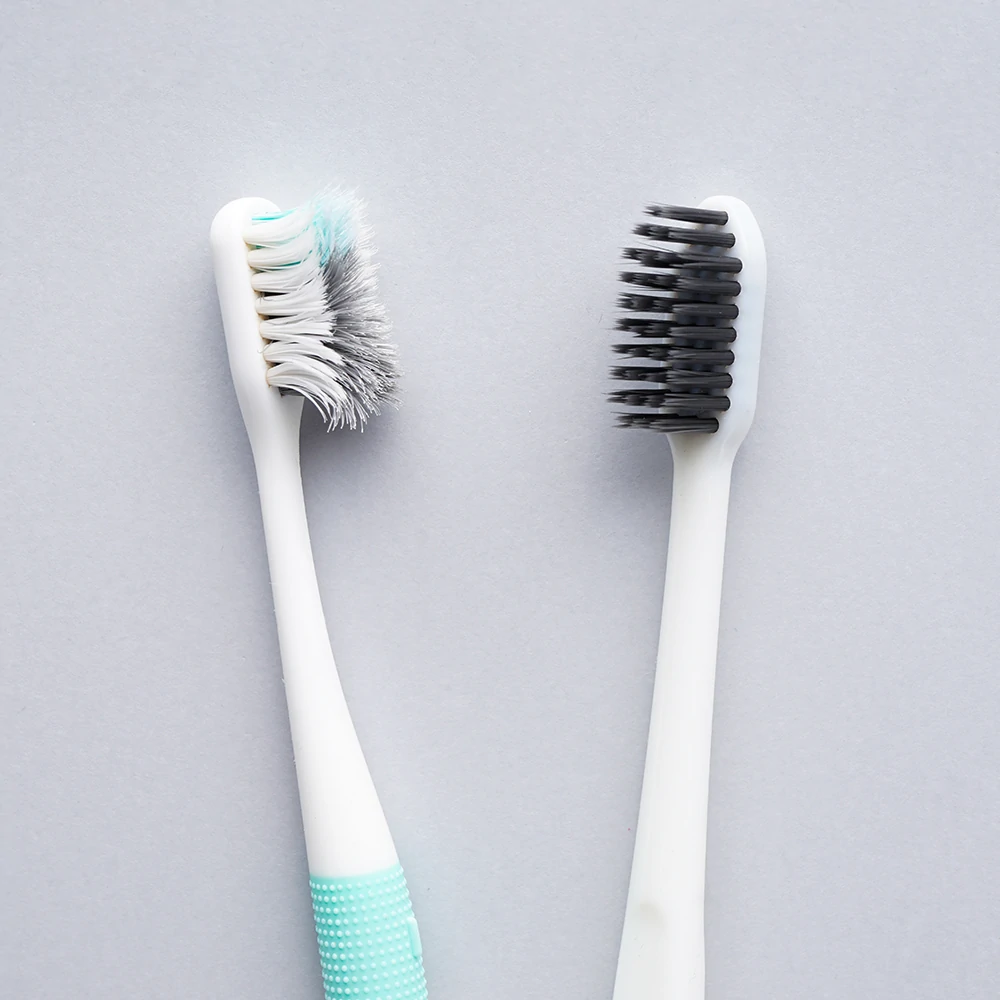
As you brush your teeth daily, the bristles on your toothbrush begin to wear down. Over time, they fray and lose their effectiveness in removing plaque and debris from your teeth. Damaged bristles cannot reach all the nooks and crannies of your mouth, which may lead to less effective cleaning. Hence, replacing your toothbrush regularly is essential to maintaining its cleaning power and protecting against cavities and gum issues.
Potential for Reinfection
If you’ve recently recovered from a cold, the flu, or any infection, your toothbrush might still harbor leftover germs. Continuing to use it afterward could reinfect you even after you feel better. By swapping out your toothbrush, you reduce the chance of reintroducing these unwelcome pathogens into your system, thereby giving your body a better chance to stay healthy.
The Consequences of Not Changing Your Toothbrush Regularly

Increased Risk of Gum Disease (Gingivitis)
When bacterial buildup occurs on your toothbrush, it can lead to inflammation of the gums, known as gingivitis3. Typical symptoms include red, swollen, and bleeding gums. Early intervention is crucial to prevent gingivitis from progressing to more severe periodontal disease. Regular toothbrush replacement is a small yet significant step in your broader strategy to maintain healthy gums and a healthy smile.
Increased Risk of Cavities
An ineffective toothbrush leaves behind plaque, which is a major culprit in cavities. Bacteria in plaque produce acids that wear away tooth enamel, eventually leading to cavities. Brushing with a fluoride toothpaste—like DARLIE’s range of offerings—can help with cavity prevention. Still, remember that even the best toothpaste can’t make up for an old, ineffective brush head.
Potential for Systemic Health Issues
Emerging research suggests a link between oral health and overall health4. Bacteria from the mouth can sometimes enter the bloodstream, and this may play a role in other systemic health issues. Ensuring your toothbrush is as efficient and clean as possible is one way to support not only your smile but your overall well-being.
Choosing the Right Toothbrush and Toothpaste

When it comes to oral care, not all toothbrushes are created equal. Dentists recommend selecting toothbrushes with soft bristles because they are gentle on your gums yet effective at cleaning. In humid bathroom environments, antibacterial toothbrushes—some even enhanced with charcoal or other advanced materials—can offer additional protection.
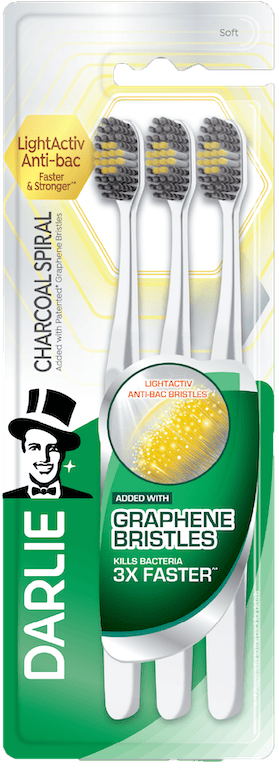
Introducing the newest toothbrush launch, the DARLIE Charcoal Spiral Toothbrush with Graphene. This toothbrush is designed to transform your dental routine, featuring advanced Graphene bristles that help to kill bacteria 3x faster when exposed to light. It combines this groundbreaking technology with ultra-fine 0.01mm tapered bristles infused with binchotan charcoal particles, providing an impressive four times the cleaning power* compared to standard brushes. Its unique hexagonal bristle design allows for deeper access between teeth, ensuring a thorough clean while helping to maintain fresh breath. Additionally, its soft bristle hardness ensures a comfortable brushing experience, making it ideal for anyone seeking enhanced cleaning without sacrificing comfort.
Pairing the right toothbrush with a fluoride toothpaste can significantly boost your oral care routine. Whether you have a history of cavities or are simply looking to maintain optimal dental health, integrating advanced products like the DARLIE Charcoal Spiral Toothbrush with Graphene into your routine can make a noticeable difference.
Tips to Keep Your Toothbrush Clean Between Replacements
Even though it’s important to replace your toothbrush every three months, you can also take steps to keep it as hygienic as possible during use:


Conclusion
Changing your toothbrush every three months is a simple yet effective strategy to keep your oral health in optimal condition. The key reasons behind this recommendation include the prevention of bacterial buildup, maintaining bristle effectiveness, and reducing the risk of reinfection. A toothbrush is more than just a tool; it’s an essential partner in your daily quest for a radiant smile.
If you’re considering an upgrade to your oral hygiene routine, consider exploring innovative options like the DARLIE Charcoal Spiral Toothbrush with Graphene. As the first to launch this groundbreaking graphene technology in the market, this toothbrush features advanced Graphene bristles that help kill bacteria 3x faster when exposed to light. Combined with ultra-fine 0.01mm tapered bristles with binchotan charcoal particles and a unique hexagonal design, it offers enhanced cleaning power and comfort. Global users recommend it for its exceptional performance, making it a testament to DARLIE’s commitment to quality and innovation.
For more tips on proper brushing techniques and oral care expertise, be sure to check out our previous article on brushing techniques. Keep your smile shining bright and remember—a small change like replacing your toothbrush regularly can make a big difference in your overall health.
References:
1. https://michaelsimondds.com/2024/10/03/how-often-should-you-get-a-professional-teeth-cleaning/
2. https://www.nature.com/articles/s41598-020-80646-x
3. https://www.ada.org/resources/research/science-and-research-institute/oral-health-topics/gingivitis
4. https://www.nature.com/articles/s41598-025-92523-6
*compared to normal tapered filament
1. https://michaelsimondds.com/2024/10/03/how-often-should-you-get-a-professional-teeth-cleaning/
2. https://www.nature.com/articles/s41598-020-80646-x
3. https://www.ada.org/resources/research/science-and-research-institute/oral-health-topics/gingivitis
4. https://www.nature.com/articles/s41598-025-92523-6
*compared to normal tapered filament
Frequently Asked Questions
A: Dentists recommend replacing your toothbrush, or electric toothbrush head, every 3 months. This timeline is based on how quickly bristles start to fray and lose their effectiveness with regular twice-daily brushing.
A: Frayed, splayed, or discoloured bristles are the clearest signs your toothbrush needs replacing, even if it hasn't reached the 3-month mark yet. Worn bristles can no longer flex properly to clean between teeth and along the gumline, making your brushing less effective.
A: A toothbrush that's used past its prime can harbour more bacteria, especially if it's stored in a closed, damp container where moisture is trapped. Rinsing thoroughly after each use and storing your toothbrush upright to air dry helps keep bacteria levels down between replacements.
A: Yes, it's a good idea to swap in a new toothbrush after a cold, flu, or other illness to avoid reintroducing bacteria or viruses into your mouth. This is also a good moment to revisit your brushing technique to make sure you're getting the most out of a fresh brush.
A: Look for soft bristles that suit your comfort, paired with a head design matched to what you need most, whether that's deep cleaning or gum care. The Darlie Charcoal Spiral Toothbrush uses graphene-infused bristles that kill bacteria faster when exposed to light, which is a helpful bonus for hygiene between changes.
Recommended Products