Filtered by Oral Health Goal
How Interdental Brushes Help Support Older Gums
As we get older, our gums and the spaces between our teeth can change, which can make daily cleaning feel a little different. For many people, an interdental brush becomes a practical option for cleaning between teeth gently and more effectively in open spaces. It can be especially useful when gum recession, dry mouth, or reduced hand dexterity make floss harder to use well.
Why Gum Care Changes as We Age
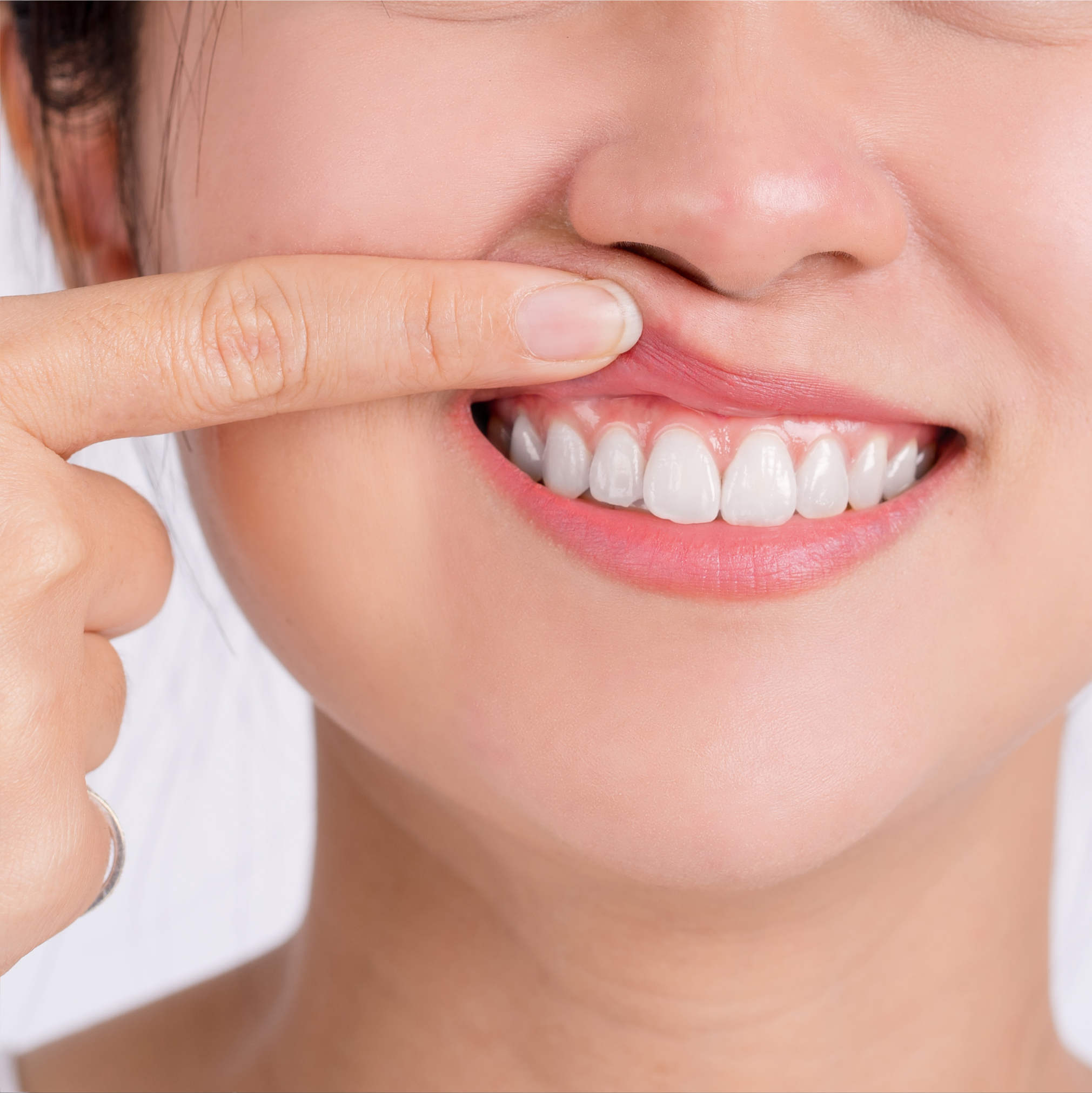
Older gums may become more sensitive, and the spaces between teeth can change over time. Gum recession can expose more of the tooth surface and create wider gaps that trap plaque and food more easily. Dry mouth, some medications, and reduced hand dexterity can also make it harder to clean between teeth well. Gentle daily care matters more as gums become more delicate1.

What gum recession and wider tooth gaps mean in simple terms
Gum recession means the gums pull back a little, exposing more of the tooth. Wider gaps between teeth can then collect plaque and food more easily, which is one reason an interdental brush for gaps may be especially helpful for everyday cleaning2.
Why dry mouth and reduced hand dexterity can make cleaning between teeth harder
Less saliva can leave the mouth feeling dry and less naturally protected, while stiff fingers or less steady hand movement can make floss harder to control3. A small interdental brush can feel easier to guide into open spaces, especially when hand movements need to stay simple and gentle.
Interdental Brush vs. Floss: What Dentists Often Advise
Both tools can be useful, but they work best in different situations. The right choice often depends on tooth spacing, gum condition, and comfort. For many people with older gums, an interdental brush is easier to use in wider spaces and may support more consistent daily cleaning2.
When floss still helps and where it may be harder to use?
Floss can still be useful where teeth are very close together4. At the same time, floss may be harder to handle if there is limited finger strength or very tight contact points, so some people do best using floss in a few areas and an interdental brush in others.
Interdental brush benefits for older gums and open spaces
Some key interdental brush benefits are that it is often easier to handle than floss, helps remove plaque from wider spaces, and can be useful around bridges, crowns, and implants4. For older gums and open spaces, that can make daily cleaning feel simpler and more manageable.

How to Choose the Right Interdental Brush Sizes?
The best interdental brush sizes should fit comfortably without forcing. Different parts of the mouth may need different sizes, and a proper fit helps clean effectively while staying gentle on the gums.
A simple guide to finding the right fit
Start with a smaller size if you are unsure. The brush should slide in with light resistance, not pain. If it bends too much or feels too loose, the size may not be right. If needed, ask a dentist or hygienist for help choosing the right interdental brush sizes.
Why different teeth may need different sizes
Front teeth often have smaller spaces than back teeth, and gaps can vary after gum recession, orthodontic treatment, or dental work. That means you may need one size for tight areas and another for cleaning wider tooth gaps.

How to Clean Between Teeth Safely?
Use a gentle motion and let the brush do the work. Clean between teeth once a day unless your dental professional suggests otherwise, and replace the brush when the bristles become worn or bent4.
Step-by-step use of an interdental brush
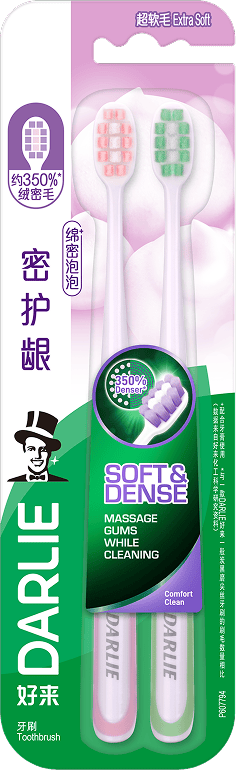
Hold the brush comfortably, guide it gently into the gap between teeth, and move it in and out a few times without forcing it. Rinse the brush after use and repeat for each space where the brush fits well. After that, you can finish brushing with the DARLIE High Density Toothbrush, which features 3.5x denser bristles and 0.01mm slim tip extra soft bristles that gently massage gums while helping clean deep in-between teeth.

How often to clean between teeth and when to replace the brush
Most people benefit from daily cleaning between teeth. Replace the interdental brush when the wire bends too much or the bristles spread out, because a worn brush may not clean as effectively and can feel less comfortable to use.

Best Uses for Interdental Brushes in Wider Gaps
Interdental brushes can be especially useful when spaces between teeth are larger, where plaque may collect quickly and where floss alone may be less effective.

Using an interdental brush for gaps between teeth
Choose a brush size that fills the space gently and clean each gap with short, careful movements. Do not push hard if the brush does not fit; use a smaller size instead.
Cleaning wider tooth gaps around bridges, crowns, and implants
Wider tooth gaps around dental work can be harder to clean with regular floss. An interdental brush may help reach around the sides and under certain restorations, but it is important to be especially gentle around implants and other dental work to avoid irritation.
Common Questions and Mistakes to Avoid
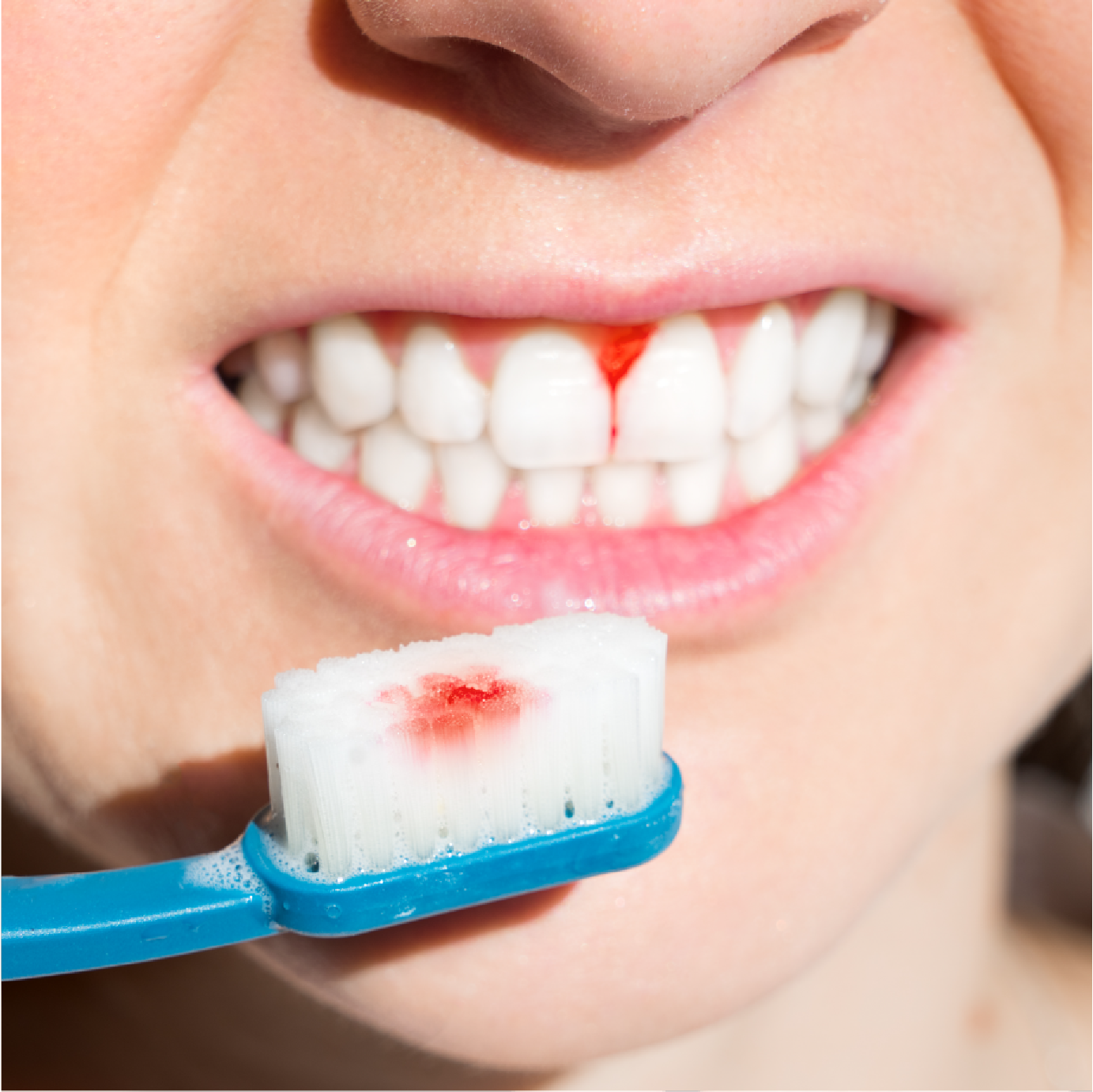
Many people worry if bleeding happens at first, but mild bleeding can improve with regular gentle use. The biggest mistake is choosing a size that is too large, because forcing the brush can irritate the gums and make cleaning less effective5.
What it may mean if your gums bleed at first?
Mild bleeding can happen if gums are irritated or if you are new to cleaning between teeth. It may improve as the gums get healthier, but if bleeding continues or gets worse, check with a dental professional5.
How to avoid forcing the brush or choosing the wrong size
Never push an interdental brush into a tight space. Switch to a smaller size if the brush feels cramped, and if a gap is very narrow, floss may still be the better option for that area. If you are unsure, a dental exam can help match the right tool to each space.
Conclusion
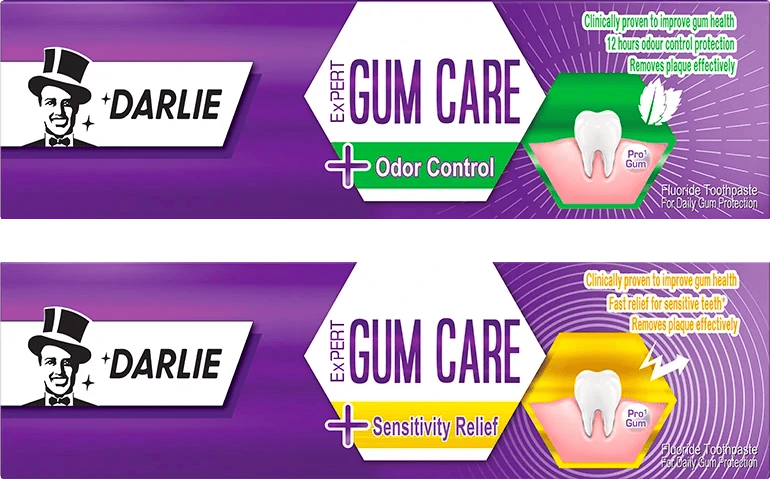
The best routine is one you can use gently and consistently. For many older adults, an interdental brush offers an easy, effective way to clean between teeth and support healthier gums. Choosing the right size and using it correctly can make a big difference in comfort and results. To round out daily gum care, DARLIE Expert Gum Care Toothpaste (Odor Control / Sensitivity Relief) combines a Bio-Gum formula with active Zinc Citrate, is clinically proven to help improve gum health, supports 300% more plaque reduction, helps kill 99.9% oral bacteria, offers 12 hours odor control protection for longer-lasting fresh breath, and provides fast sensitivity relief for sensitive teeth in 2 weeks6.
1. Periodontal (Gum) Disease | NIDCR - https://www.nidcr.nih.gov/health-info/gum-disease
2. Worthington, H. V., MacDonald, L., Poklepovic Pericic, T., Sambunjak, D., Johnson, T. M., Imai, P., & Clarkson, J. E. (2019). Home use of interdental cleaning devices, in addition to toothbrushing, for preventing and controlling periodontal diseases and dental caries. *Cochrane Database of Systematic Reviews*, (4). https://doi.org/10.1002/14651858.CD012018.pub2
3. Dry Mouth | National Institute of Dental and Craniofacial Research (NIDCR) - https://www.nidcr.nih.gov/health-info/dry-mouth
4. Dental Floss/Interdental Cleaners | American Dental Association - https://www.ada.org/resources/ada-library/oral-health-topics/floss
5. Gum disease – NHS - https://www.nhs.uk/conditions/gum-disease/
6. Ref: Anonymous. (2014). The Comparative Efficacy of two Toothpastes Containing 2% Zinc Citrate as compared to a Placebo Toothpaste in Controlling Established Plaque and Gingivitis. 1-10.
2. Worthington, H. V., MacDonald, L., Poklepovic Pericic, T., Sambunjak, D., Johnson, T. M., Imai, P., & Clarkson, J. E. (2019). Home use of interdental cleaning devices, in addition to toothbrushing, for preventing and controlling periodontal diseases and dental caries. *Cochrane Database of Systematic Reviews*, (4). https://doi.org/10.1002/14651858.CD012018.pub2
3. Dry Mouth | National Institute of Dental and Craniofacial Research (NIDCR) - https://www.nidcr.nih.gov/health-info/dry-mouth
4. Dental Floss/Interdental Cleaners | American Dental Association - https://www.ada.org/resources/ada-library/oral-health-topics/floss
5. Gum disease – NHS - https://www.nhs.uk/conditions/gum-disease/
6. Ref: Anonymous. (2014). The Comparative Efficacy of two Toothpastes Containing 2% Zinc Citrate as compared to a Placebo Toothpaste in Controlling Established Plaque and Gingivitis. 1-10.
Frequently Asked Questions
A: They can be better for people with wider gaps, gum recession, or difficulty handling floss. Floss may still be useful in tighter spaces.
A: The right size should fit with light resistance and no pain. Different teeth may need different sizes, so more than one size is common.
A: Not if it is used gently and the correct size is chosen. Forcing a brush that is too large can irritate the gums.
A: Usually once a day. Your dentist may suggest a different routine based on your oral health.
Recommended Products