Filtered by Oral Health Goal
For many, the phrase "dental implant" immediately conjures up intimidating images of drilling into the jawbone, leading many patients to wonder: are dental implants painful? If the idea of a tooth implant sounds scary, you aren’t alone—it is completely normal to feel anxious about a surgical dental implant procedure and the potential for discomfort. While your dental anxiety is entirely valid, the reality is often far less daunting than the "drills" people imagine. By understanding the modern techniques used today and weighing the long-term benefits against the dental implant cost, you’ll see that the recovery process is highly manageable. Let’s demystify what getting a dental implant actually involves and how proper care ensures a smooth, comfortable path to a restored smile.
What Are Dental Implants and Are They Painful?
Definition of dental implants and how they work
A dental implant is a modern solution for replacing a missing tooth 2. Think of it as an artificial tooth root, usually made of biocompatible titanium, that is surgically placed into your jawbone. Once it has fused with the bone — a process called osseointegration — a connector called an abutment is attached, followed by a custom-made crown that looks and feels just like a natural tooth. This complete tooth implant restores both function and appearance.
Overview of the dental implant procedure
The dental implant procedure is a multi-step process designed for long-term success 3. It typically begins with a consultation and imaging, followed by the surgical placement of the implant post. After a healing period of a few months during which the implant integrates with your jawbone, the final abutment and crown are fitted. Each stage is carefully planned to help ensure the best possible outcome.
Debunking myths: Are dental implants painful?
Here is the most direct answer to your biggest concern: the procedure itself should not be painful. Dentists use effective local anaesthesia to numb the area, meaning you should not feel pain during implant placement, although you may notice some pressure or vibration 4. The question “are dental implants painful” often stems from fear of the unknown, but modern dentistry prioritises patient comfort at every step. Any post-procedure discomfort is typically mild and manageable.
Comparison of pain levels: dental implants vs. tooth extraction
Many patients report that recovery from a dental implant is less uncomfortable than recovery from a tooth extraction. An extraction involves removing a tooth, which can leave a more sensitive site. In contrast, the dental implant procedure involves carefully placing a new component into the jaw, which may result in less post-operative soreness for a single tooth implant.
Benefits of choosing dental implants and what to expect during recovery
Dental implants are a popular choice because they look, feel, and function like natural teeth 2. They are durable, can last a long time with proper care, and help support the jawbone. During recovery, you can expect some swelling, bruising, and mild discomfort for a few days, but this is a normal part of the healing process and can usually be managed with simple, consistent care.

What to Expect During the Dental Implant Procedure

Step-by-step breakdown of the dental implant procedure
Understanding the stages of the procedure helps reduce anxiety. Here is how the process typically unfolds:
Anaesthesia options and their role in pain management
To help ensure a comfortable experience, dentists primarily use local anaesthesia to numb the specific area of your mouth 4. For patients with higher anxiety, sedation options may also be available to help you relax during the procedure. Your dentist will discuss the most suitable choice for you.
Duration of the procedure and recovery time
The surgery to place a single dental implant often takes about one to two hours 3. The full recovery and integration period, however, can range from three to six months before the final crown is placed. Most people can return to their normal routines the day after surgery, with minor adjustments for a few days.
Medical disclaimer: This article is for general educational purposes only and does not replace professional dental advice, diagnosis, or treatment. Always follow your dentist’s instructions after implant surgery, and seek prompt care if you have unusual pain, swelling, bleeding, or other concerning symptoms.
How to Care for Your Dental Implants Post-Procedure
Proper aftercare is crucial for minimising discomfort and helping your new dental implant heal well. Following these four simple steps can make a real difference.
Prioritise ice, rest, and a soft food diet
For the first 24 to 48 hours, apply an ice pack to your cheek to help reduce swelling. Get plenty of rest and stick to soft foods like yoghurt, soup, and smoothies. Avoid hot, spicy, or crunchy foods that could irritate the surgical site and slow the healing process.

Keep the surgical site clean with ultra-soft bristles
Keeping your mouth clean is essential during recovery, but the healing area can feel tender. The DARLIE Gentle & Charcoal Comfort Toothbrushes is an ideal choice during this time. Its 220% Ultra Soft Charcoal Bristles deliver a gentle brushing experience that is kind to delicate post-surgical tissue, while its 99.9% Antibacterial Bristles help maintain hygiene around the healing site. The bristles are also infused with nano charcoal particles, which provide an added layer of antibacterial protection to support recovery.

Soothe the Surgical Site with a Gentle Formula
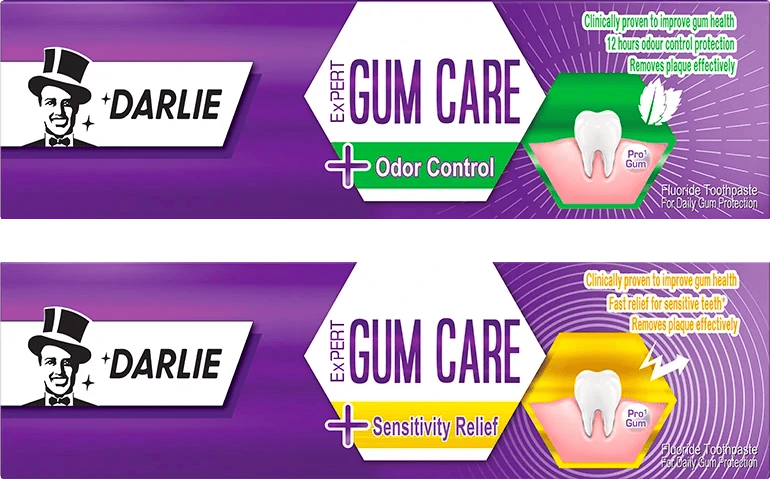
When you are ready to brush the area gently, choosing an appropriate toothpaste matters. The DARLIE Expert Gum Care Toothpaste (Sensitivity Relief) is specially combined with a Bio-Gum formula and active Zinc Citrate ingredient that is clinically proven 6 to improve gum health. It delivers 300% more plaque reduction compared to a standard formula, and kills 99.9% oral bacteria to help keep the healing area protected. Its gentle formulation makes it a supportive choice for sensitive post-procedure tissue.

Practice gentle rinsing
Your dentist may recommend rinsing your mouth with a warm salt water solution two to three times a day, starting the day after your procedure 5. This helps keep the area clean and can soothe discomfort. Be sure to rinse gently and let the water fall out of your mouth rather than spitting forcefully, as this helps protect the healing site.

How to Manage Discomfort and Promote Healing
Recommended over-the-counter pain relief options
For mild soreness after the anaesthesia wears off, over-the-counter pain relievers such as ibuprofen or paracetamol are often used to manage discomfort. Take them only as directed by your dentist or according to the product label.
Importance of following your dentist’s aftercare instructions
Your dentist will provide aftercare instructions tailored to your procedure. Following these guidelines — including any prescribed medications or special mouth rinses — is one of the best ways to support smooth healing and protect your new dental implant.
When to contact your dentist regarding pain or complications
While some discomfort is normal, contact your dentist if you experience severe or worsening pain, excessive bleeding, swelling that does not improve after a few days, or signs of infection such as fever 5.

What Are the Costs Associated with Dental Implants in Singapore?

Breakdown of dental implant costs
Understanding dental implant cost is a key part of the decision-making process. The total fee is usually made up of several components:
Factors influencing the cost of dental implants
The final dental implant cost in Singapore can vary based on several factors. These include the implant material used, whether additional procedures such as a bone graft are needed, the complexity of your case, and the clinic’s pricing structure.
Importance of cost transparency for patient trust
A trustworthy dental clinic should provide a clear breakdown of anticipated costs before treatment begins. This helps you make an informed decision and reduces the chance of unexpected fees. It is always worth asking for a detailed quote during your consultation.
Embracing Your New Smile with Confidence
Ultimately, the fear surrounding the question "Are dental implants painful?" is often much greater than the reality. With effective anesthesia, a carefully planned dental implant procedure, and consistent aftercare, the recovery is temporary and entirely manageable. Supporting your healing with the right tools—such as the DARLIE Gentle & Charcoal Comfort Toothbrush, with its ultra-soft bristles, and the clinically proven DARLIE Expert Gum Care Toothpaste (Sensitivity Relief) for 300% more plaque reduction—makes a meaningful difference in protecting your tooth implant. While the dental implant cost is an investment in your future, the result is more than just a replacement tooth; it is a gateway to long-term comfort and confidence. By seeking professional advice and choosing quality oral care products, you can ensure a smooth-sailing recovery and embrace your new smile with total peace of mind.
1. Dental health and oral care - https://www.healthhub.sg/live-healthy/dental-health-oral-care
2. Dental Implants - NHS - https://www.nhs.uk/conditions/dental-treatments/dental-implants/
3. Dental Implants - Cleveland Clinic - https://my.clevelandclinic.org/health/treatments/10901-dental-implants
4. Dental Implant Surgery - American Dental Association - https://www.ada.org/resources/ada-library/oral-health-topics/dental-implant-surgery
5. Dental Implants - NIDCR NIH - https://www.nidcr.nih.gov/health-info/dental-implants
6. Ref: Anonymous. (2014). The Comparative Efficacy of two Toothpastes Containing 2% Zinc Citrate as compared to a Placebo Toothpaste in Controlling Established Plaque and Gingivitis. 1-10.
2. Dental Implants - NHS - https://www.nhs.uk/conditions/dental-treatments/dental-implants/
3. Dental Implants - Cleveland Clinic - https://my.clevelandclinic.org/health/treatments/10901-dental-implants
4. Dental Implant Surgery - American Dental Association - https://www.ada.org/resources/ada-library/oral-health-topics/dental-implant-surgery
5. Dental Implants - NIDCR NIH - https://www.nidcr.nih.gov/health-info/dental-implants
6. Ref: Anonymous. (2014). The Comparative Efficacy of two Toothpastes Containing 2% Zinc Citrate as compared to a Placebo Toothpaste in Controlling Established Plaque and Gingivitis. 1-10.
Recommended Products