Filtered by Oral Health Goal
Have you ever wondered why the term "cavity" is among the most-searched dental concerns? Cavities are an extremely common dental problem, affecting people of all ages. Whether you’re dealing with a small hole or significant decay, understanding what cavities are, how they develop, and what causes cavity is the first vital step toward maintaining a healthy, confident smile. In this article, we’ll explore the journey from plaque buildup to cavity formation and examine some proactive measures—including the use of top-quality oral care products—to help you stay ahead of tooth decay.

The Step-by-Step Progression to Tooth Decay

If left unaddressed, cavities not only cause more severe decay but can also result in persistent bad breath and painful infections.
Understanding the Root Causes of Cavities and Tooth Decay

The Impact of Sugary and Starchy Foods
Sugary treats and starchy snacks are not just temporary indulgences—they can pose a long-term risk to your dental health.4 When these foods are consumed:
Acid Erosion: How Acids Attack Tooth Enamel
Our daily diets often include acidic foods and beverages—such as citrus fruits, juices, and sodas—that contribute to enamel erosion. Additionally, conditions like acid reflux or bouts of vomiting can worsen this erosion. As acids erode the enamel, your teeth become increasingly susceptible to decay.
Dry Mouth (Xerostomia) and Its Role in Decay
Saliva plays a crucial role in neutralizing oral acids and washing away harmful debris. However, when you suffer from dry mouth—whether due to medication, dehydration, or underlying medical conditions—the lack of saliva means that acids are left unchecked. This reduced saliva flow heightens the risk of cavities developing.
Poor Oral Hygiene: A Breeding Ground for Cavities
Maintaining good oral hygiene is essential to keeping cavities at bay. Here are some contributing factors when hygiene falls short:
Inadequate Brushing Techniques
Brushing at least twice a day for around two minutes each session is fundamental. However, it’s not just about the duration; it’s about technique:
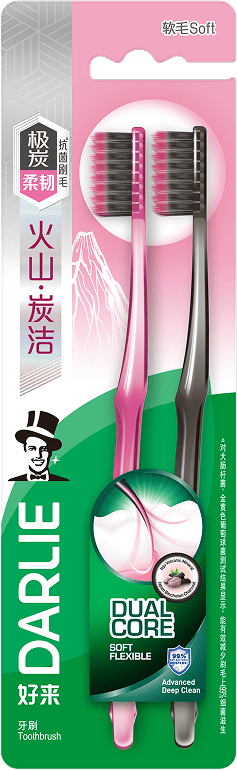
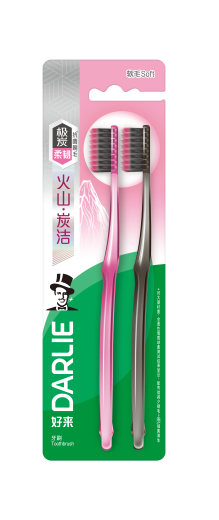
A high-quality toothbrush, such as the DARLIE Volcanic Charcoal Toothbrush, is engineered with dual-core bristles infused with Jeju Volcanic Mineral and Japan Binchotan Charcoal that not only deliver a deep clean but also inhibit bacteria* formation, thanks to its antibacterial properties. You can also check out our other gum-friendly toothbrushes.
Read more on How to Brush Teeth Properly: 6 Steps and Tips.
Neglecting to Floss Daily
Flossing is essential to remove plaque and food particles nestled between teeth—areas that toothbrushes might miss. Consistent and effective flossing helps prevent gum disease and the formation of cavities in these vulnerable spaces.

The Dangers of Tartar Buildup
Plaque left unchecked can harden into tartar (calculus), which is stubborn and difficult to remove with regular brushing. Regular dental cleanings are necessary to remove tartar and halt further decay.

Irregular Dental Check-ups
Routine visits to the dentist not only help in early detection of decay but also allow for professional cleanings and fluoride treatments, ensuring your teeth remain strong and cavity-free.

Other Factors That Increase Cavity Risk
Beyond diet and hygiene, several other elements can elevate your risk of tooth decay:
Lack of Fluoride
Fluoride plays a critical role in strengthening your tooth enamel, making it more resilient against acid attacks. It is found in fluoridated water and professional dental treatments. All DARLIE toothpastes and mouthwashes are formulated with fluoride to bolster your enamel’s defences.

Eating Disorders
Conditions such as anorexia and bulimia can lead to excessive acid exposure due to frequent vomiting, which in turn accelerates enamel erosion. Seeking professional help and adopting practices such as rinsing with water after an episode can mitigate some of the acid damage.

Medical Conditions and Medications
Certain health issues—for example, Sjögren's syndrome—or medications that reduce saliva production can create a dry mouth condition, further increasing the risk of cavities.

Age and Genetics
Both the very young and older adults are particularly vulnerable to cavities. Additionally, genetic factors can influence the natural strength of your enamel and even the composition of your saliva.

DARLIE's Comprehensive Approach to Cavity Prevention
Prevention is key when it comes to oral health, and a consistent care routine can make all the difference. DARLIE offers a range of products designed to support every aspect of your oral hygiene.
Choosing the Right DARLIE Toothpaste
Using a toothpaste that reinforces enamel and provides prolonged protection is essential. The NEW DARLIE Double Action Fresh Protect Toothpaste is formulated with optimal levels of fluoride, ensuring your enamel is fortified against acid attacks. With 12-hour protection that kills 99.9% of bacteria and leaves your mouth with a naturally refreshing mint flavour, this toothpaste is an excellent choice for daily use. Be sure to check out the other products in the DARLIE Double Action range as well.

Selecting the Perfect DARLIE Toothbrush
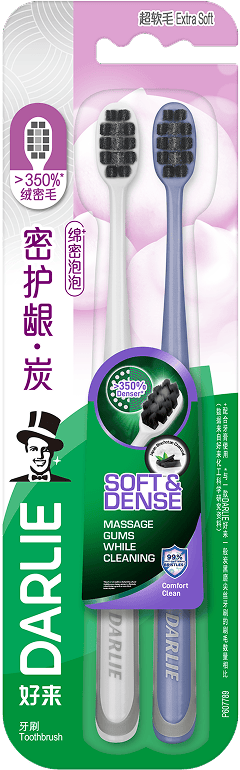
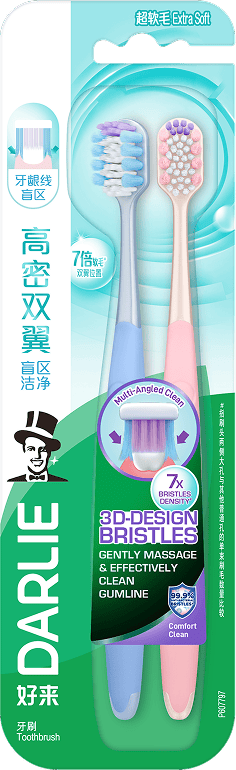
A great toothbrush reaches those hard-to-reach areas, and DARLIE’s range of soft-bristled toothbrushes is designed to meet various needs, ensuring a thorough and gentle clean. Here’s a quick guide to help you choose:


Integrating DARLIE Mouthwash into Your Routine
While quality brushing and toothpaste set a solid foundation for dental care, don’t forget the benefits of a complementary mouthwash. DARLIE mouthwash works to further reduce bacteria build-up and freshen breath—helping you maintain a clean and healthy mouth every day.

Maintaining a Balanced Diet for Healthy Teeth
Along with stellar dental products, a balanced diet rich in fruits, vegetables, dairy products, and plenty of water plays a vital role. A healthy diet not only supports overall wellness but also helps rinse away food particles and neutralize harmful acids naturally.

Conclusion
Cavities, decay, and holes in your teeth are the unfortunate outcomes of plaque buildup, sugary diets, acid erosion, dry mouth, and poor oral hygiene practices. However, by understanding these causes and adopting a comprehensive oral care routine, you can significantly reduce your risk. Combining regular brushing, flossing, dental check-ups, and a nutrient-rich diet with premium products like the DARLIE Volcanic Charcoal Toothbrush and the NEW DARLIE Double Action Fresh Protect Toothpaste offers a well-rounded approach to oral health.
Remember, a healthy smile is a beautiful smile. Embrace these proactive habits and let DARLIE help support you on your journey toward a cleaner, healthier mouth. Protect your smile naturally and confidently—one brush at a time.
*Based on test result on Escherichia coli and Staphylococcus aureus, proven to effectively reduce bacterial growth on bristles.
1. https://www.loyalsockdental.com/2022/11/enamel-erosion-vs-tooth-decay/
2. https://www.frontiersin.org/journals/microbiology/articles/10.3389/fmicb.2023.1162380/full
3. https://journals.asm.org/doi/10.1128/iai.00087-14
4. https://www.ada.org/resources/ada-library/oral-health-topics/nutrition-and-oral-health
1. https://www.loyalsockdental.com/2022/11/enamel-erosion-vs-tooth-decay/
2. https://www.frontiersin.org/journals/microbiology/articles/10.3389/fmicb.2023.1162380/full
3. https://journals.asm.org/doi/10.1128/iai.00087-14
4. https://www.ada.org/resources/ada-library/oral-health-topics/nutrition-and-oral-health
Frequently Asked Questions About Cavities and Tooth Decay
A: No, once a physical hole has formed in your enamel, a cavity cannot heal itself. However, if the decay is caught in the very early "pre-cavity" stage (often appearing as a white spot), excellent oral hygiene and daily use of fluoride toothpaste can help remineralize and harden the enamel, stopping the decay before a hole forms.
A: Sugar does not directly eat away at your teeth; rather, the bacteria in your mouth do. Harmful oral bacteria, like Streptococcus mutans, feed on the sugars you eat. As they digest the sugar, they produce strong acids that erode your tooth enamel, eventually creating a cavity.
A: The earliest sign of a cavity is usually a small, chalky white spot on the surface of your tooth. This indicates that the enamel is losing minerals. If left untreated, this white spot will eventually turn light brown or black as the decay deepens and a physical hole forms.
A: A sudden increase in cavities can be caused by changes in diet, new medications causing dry mouth, or age-related gum recession. As you age, your gums may naturally recede due to wear and tear or periodontal gum disease, exposing the softer roots of your teeth which are much more vulnerable to decay than the hard enamel crown.
A: You must keep the area meticulously clean to slow the bacterial growth. Avoid sugary or highly acidic foods, rinse with a fluoride mouthwash, and brush gently but thoroughly at least twice a day. Use a high-quality toothbrush and a strong fluoride toothpaste, like DARLIE Double Action Fresh Protect, to neutralize acids and wash away the food particles feeding the decay.
Recommended Products