Filtered by Oral Health Goal
On World Oral Health Day (WOHD), we celebrate the power of a healthy smile1. From our teenage years to our senior moments, taking care of our teeth and gums is a lifelong journey. A key part of that journey is understanding our gum health. It’s a topic that brings up one of the most frequently asked questions in oral care: "Can gums grow back?"
Let's explore the truth about gum health, debunk some common myths, and share how you can protect your smile for life.
Understanding Gum Recession
What is Gum Recession?
Gum recession is when the margin of the gum tissue that surrounds the teeth wears away or pulls back, exposing more of the tooth or its root. Think of it as the gum line literally “receding.” Because it can happen gradually, many people don't realise it's happening until they notice tooth sensitivity or see that their teeth look longer than usual2.

The Silent Warning: Decoding the Hidden Red Flags
How can you tell if your gums are receding? Look out for these signs:
Common causes include aggressive brushing, genetic predisposition, gum disease (periodontitis), and lifestyle habits like smoking. Gum health is a lifelong concern, and understanding the causes is the first step toward prevention.

Do Gums Grow Back? The Truth
Here’s the straightforward answer to the big question, "Do gums grow back?": Unfortunately, no. Once gum tissue is lost, it cannot regrow on its own. Unlike other tissues in your body, such as skin, gum tissue doesn't have the ability to regenerate naturally once it has receded
5.
While this might sound discouraging, it is not all that bad and gloomy. The most important goal is to stop the recession from getting worse. By identifying the causes and adopting healthy habits, you can protect your existing gum line and prevent further loss. The focus shifts from asking "Will gums grow back?" to "How can I protect the gums I have?"
Myths About Gum Regrowth
When it comes to gum health, there's a lot of misinformation out there. Let's clear up a few common myths.
Common Misconceptions
Debunking the Myths
It's crucial to separate fact from fiction. Here’s why these myths are misleading: t's crucial to separate fact from fiction. Here’s why these myths are misleading:

How to Support Gum Health Naturally
The best approach is a proactive one. Supporting your gums starts with simple, consistent habits that protect them from the factors that cause recession.
Daily Oral Care Practices
Your daily routine is your first line of defense. Gentle, effective care is essential for keeping your gum line intact.
Choosing the right tools can make all the difference. DARLIE’s toothbrushes and toothpastes are designed to be gentle essentials for protecting your gum line at every stage of life.

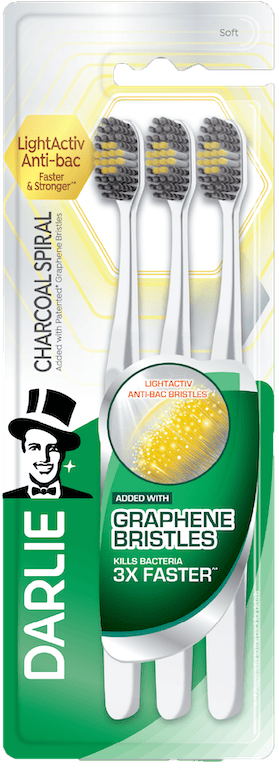
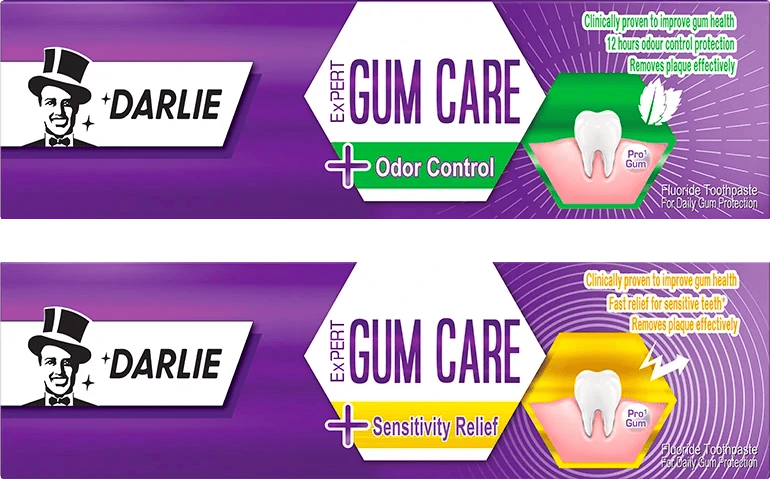
Product Spotlight: DARLIE Charcoal Spiral Toothbrush & Expert Gum Care Toothpaste
For those serious about gum protection, we recommend a high-performance pairing: the DARLIE Charcoal Spiral toothbrush and the Expert Gum Care toothpaste.
Experience NEW DARLIE Charcoal Spiral Graphene toothbrush! It comes with DARLIE-patented Graphene bristles for better anti-bacterial protection. When this toothbrush is exposed to light, the LightActiv Graphene technology infused in the yellow bristles destroy bacteria 3X faster - effectively reducing bacterial growth. The toothbrush also comes with Japan Binchotan Charcoal and 0.01mm ultra fine spiral tips for that comfortable yet thorough clean on gums & teeth.

For complete protection, pair it with the Expert Gum Care Toothpaste (Odor Control and/or Sensitivity Relief). The toothpastes from this range are formulated with actives i.e. Odor Control has Advanced Zinc Citrate formula while Sensitivity Relief has Potassium Nitrate System actives in formula to provide gum protection and fast sensitivity relief.

Natural Remedies to Support Gums
While they won't regrow tissue, some natural approaches can help maintain a healthy oral environment:


Preventing Gum Recession
Since the answer to "can gum grow back?" is no, prevention is truly the best protection.
Key Prevention Strategies

Lifestyle Changes for Healthier Gums

Conclusion
While gum tissue cannot grow back on its own, you have the power to protect your gums for a lifetime. The goal is "prevention as protection." By understanding the causes of gum recession, adopting a gentle yet effective oral care routine, and making healthy lifestyle choices, you can maintain your gum health and keep your natural smile shining bright.
This World Oral Health Day, commit to lifelong oral care habits. Your gums will thank you for it.
Ready to give your gums the gentle, protective care they deserve? Explore DARLIE’s full range of specialized toothpastes and advanced toothbrushes designed to protect your gum line and keep your smile shining bright for life.
Frequently Asked Questions

Q1: How can I tell if my gums are receding early on?
Early signs include increased tooth sensitivity (especially to cold or hot) and a gum line that looks slightly uneven or "notched" when you feel it with your tongue.
Q2: Can a specific toothbrush help prevent gum recession?
Absolutely. Using a soft-bristled, high-density toothbrush like the DARLIE High Density toothbrush or Gentle & Charcoal Comfort toothbrush allows for effective plaque removal without the abrasive force that damages gum tissue.
Q3: What are the professional treatments for gum recession?
If prevention isn't enough, dentists can offer treatments ranging from deep cleanings (scaling and root planing) to surgical procedures like gum grafting to cover exposed roots.
Q4: Can gums grow over teeth?
Yes, this is known as gingival overgrowth or hyperplasia. It can be caused by certain medications, hormonal changes, or systemic health issues. While it is the opposite of recession, it still requires a professional evaluation to determine the cause and the best course of action.
*compared to normal tapered filament
1. https://www.worldoralhealthday.com/
2. https://my.clevelandclinic.org/health/diseases/22753-gum-recession
3. https://www.toothclub.gov.hk/en/en_adu_01_05_04.html
4. https://www.cdc.gov/oral-health/about/gum-periodontal-disease.html
5. https://www.cda.org/wp-content/uploads/receding_gums_english.pdf
6. https://www.ada.org/resources/ada-library/oral-health-topics/periodontitis
7. https://www.healthline.com/health/receding-gums-grow-back
8. https://pubmed.ncbi.nlm.nih.gov/37635453/
1. https://www.worldoralhealthday.com/
2. https://my.clevelandclinic.org/health/diseases/22753-gum-recession
3. https://www.toothclub.gov.hk/en/en_adu_01_05_04.html
4. https://www.cdc.gov/oral-health/about/gum-periodontal-disease.html
5. https://www.cda.org/wp-content/uploads/receding_gums_english.pdf
6. https://www.ada.org/resources/ada-library/oral-health-topics/periodontitis
7. https://www.healthline.com/health/receding-gums-grow-back
8. https://pubmed.ncbi.nlm.nih.gov/37635453/
Recommended Products