Filtered by Oral Health Goal
Introduction
Brushing your teeth regularly is a fantastic habit, but for truly healthy gums, how you brush matters just as much as how often. Think of the little space where your teeth meet your gums—that’s the gum line, and it’s a prime spot for plaque to hide. Cleaning this area gently and carefully is key to preventing gum irritation.
This is where the Bass brushing method comes in. It’s a specific technique recommended by dentists to target plaque right at the gum line1. In this guide, we’ll walk you through everything you need to know, including:
What Is the Bass Brushing Method?
In simple terms, the Bass brushing method is a technique where you angle your toothbrush to clean the area between your teeth and gums. The goal is to use the bristles to gently lift away plaque where it gathers most, rather than scrubbing your teeth aggressively. It’s all about being precise and gentle.
You might also hear about the Modified Bass method. Here’s a simple comparison:
Dentists often recommend this technique because it’s highly effective for plaque control and maintaining gum health. Using a toothbrush with soft bristles can make this method more comfortable and easy to follow5.
How to Brush the Gum Line Step by Step
Ready to try it? Here’s a simple, calm guide to follow at home.
Step 1: Angle the brush toward the gum line
Place your toothbrush where your teeth and gums meet. Tilt the brush to a 45-degree angle so the tips of the bristles are aimed gently at the edge of your gums.
Step 2: Use gentle, short vibrating strokes
Instead of scrubbing hard, make small, back-and-forth vibrating motions. The movement should be subtle. Focus on feeling the bristles cleaning along the gum line, not just the tooth surface.
Step 3: Add the sweeping roll for the Modified Bass method
After a few gentle vibrating strokes on a group of teeth, roll the brush head away from the gum line, sweeping toward the biting surface of the tooth. This motion helps pull the dislodged plaque away from your gums.
Step 4: Clean all tooth surfaces without rushing
Take your time and repeat the process on all your teeth. Make sure you cover the outer surfaces (facing your cheeks), inner surfaces (facing your tongue), and the chewing surfaces. Moving slowly helps ensure no area gets missed.

What Brushing at 45 Degrees Actually Looks Like

The idea of brushing at 45 degrees can sound technical, but it’s quite simple. Imagine your toothbrush resting halfway on your tooth and halfway on your gum. That’s the angle you’re aiming for.
How do you know if you’re using the right pressure? Here are a few signs:
Using a toothbrush with a comfortable handle can make it easier to hold the angle steadily.
Choosing the Right Bass Technique Toothbrush
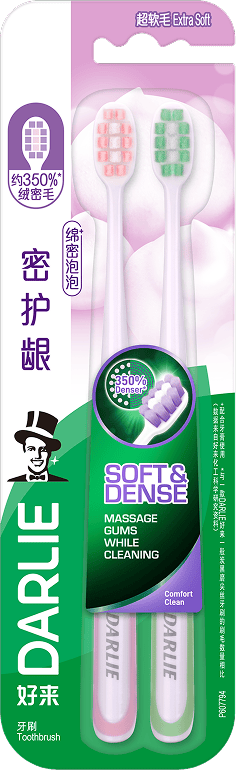
The right tool can make any job easier, and that’s true for the Bass brushing method. A good toothbrush helps you perform the technique effectively and gently, especially one like the DARLIE High Density Toothbrush. Its advanced square bristles turfing technology creates 3.5 times denser and softer bristles than a normal toothbrush, while the 0.01mm slim-tip extra soft bristles gently massage your gums and clean deep in-between teeth. The high dense bristle arrangement also helps create fine, denser foam easily for deep overall cleansing.

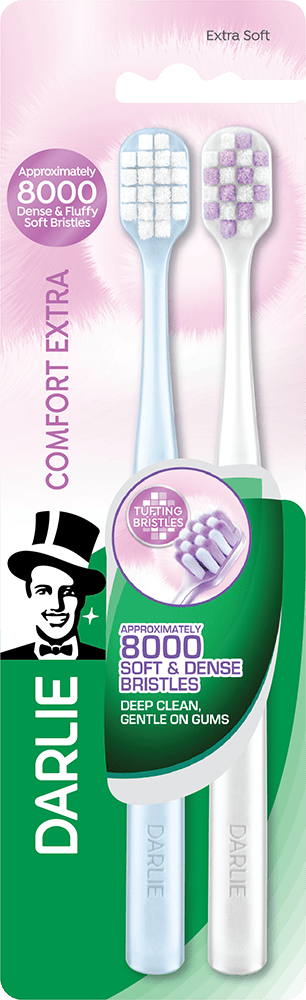
If you prefer broader coverage, DARLIE Comfort Extra Toothbrush offers 8000+ ultra-dense soft bristles with a wide head for better coverage. It also delivers 3-second flash foaming for efficient cleaning, while its hygienic cubic tufting supports better drainage to keep the brush fresher between uses.

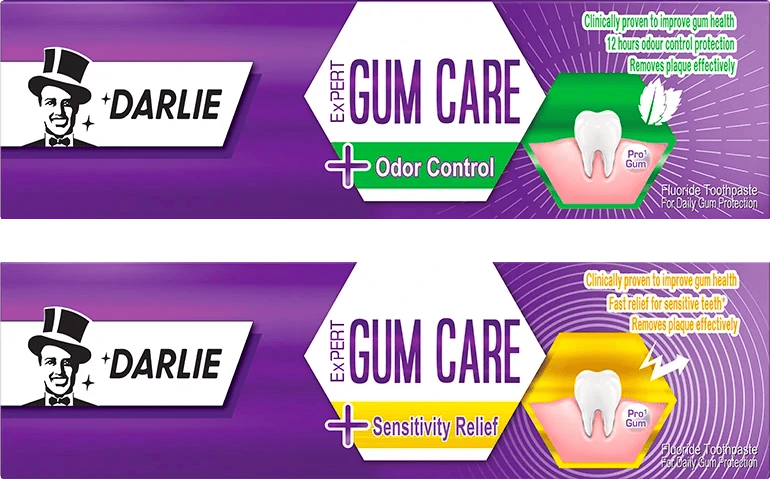
To complete your routine, DARLIE Expert Gum Care Toothpaste (Odor Control / Sensitivity Relief) combines a Bio-Gum formula with active Zinc Citrate to support healthy gums and long-lasting fresh breath. It is clinically proven to improve gum health, helps reduce plaque by 300%, kills 99.9% oral bacteria, and provides 12 hours odor control protection for longer-lasting fresh breath. The sensitivity relief variant also offers fast sensitivity relief for sensitive teeth in 2 weeks6.
Common Brushing Mistakes That Can Irritate Gums
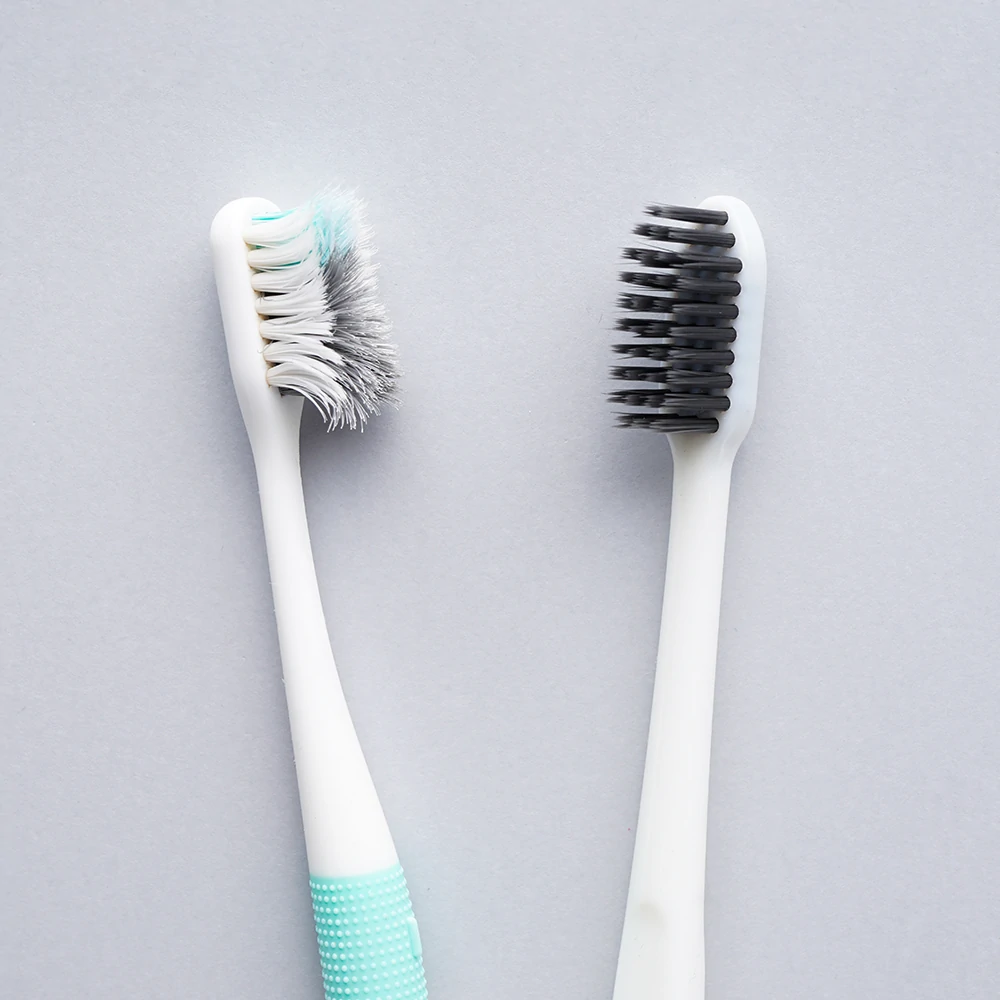
Even with the best intentions, it’s easy to fall into habits that can bother your gums. Here are a few common mistakes to watch out for, in a supportive spirit:
Too much pressure is a common culprit for gum sensitivity. If you notice tenderness, redness, or bleeding when you brush, it might be a sign to ease up and focus on a gentler technique.
How to Use an Interdental Brush for Complete Cleaning

Even the best brushing can’t always reach the tight spaces between your teeth. That’s where an interdental brush is a helpful tool for a truly complete clean2.
Here’s a simple guide on how to use an interdental brush:
Interdental brushes are often easier to handle than floss, especially for wider spaces. However, floss is still great for very tight contacts.
How to Massage Gums Safely: What Dentists Actually Recommend
You may have heard about how to massage gums to improve circulation, but it’s important to do it safely. For dentists, gum care is primarily about gentle stimulation and excellent plaque removal, not vigorous rubbing.
So, does a gum massage help? Gentle stimulation can feel soothing, but it should never be forceful or painful. In fact, the gentle, vibrating motions of the Bass brushing method already provide a safe form of gum stimulation. Hard rubbing can damage the delicate gum tissue.
If your gums feel tender or bleed, this is usually a sign of inflammation caused by plaque. The best response is not to rub harder but to:

Building a Daily Routine for Healthier Gums
Consistency is key to healthier gums. Build a simple daily routine by using the Bass brushing method for two minutes each morning and evening, paired with a toothpaste that supports your oral hygiene goals. In the evening, add a step to clean between your teeth with an interdental brush or floss. Remember to replace your toothbrush every three months or when the bristles look frayed. If you experience ongoing gum bleeding, swelling, or sensitivity that doesn’t improve, it’s best to seek professional advice from your dentist, as these small, consistent habits are your best defence for a healthy smile1.
REFERENCES
1. Toothbrushes | American Dental Association - https://www.ada.org/resources/ada-library/oral-health-topics/toothbrushes
2. Dental Floss/Interdental Cleaners | American Dental Association - https://www.ada.org/resources/ada-library/oral-health-topics/floss
3. Sensitive Teeth: Causes, Treatment & Prevention | Cleveland Clinic - https://my.clevelandclinic.org/health/symptoms/10954-teeth-sensitivity
4. Dental care for older people | Oral Health Foundation - https://www.dentalhealth.org/dental-care-for-older-people
5. Effectiveness of Manual Toothbrushing Techniques on Plaque and Gingivitis: A Systematic Review - https://pmc.ncbi.nlm.nih.gov/articles/PMC11654539/
6. Ref: Anonymous. (2014). The Comparative Efficacy of two Toothpastes Containing 2% Zinc Citrate as compared to a Placebo Toothpaste in Controlling Established Plaque and Gingivitis. 1-10.
7. Periodontal (Gum) Disease | National Institute of Dental and Craniofacial Research - https://www.nidcr.nih.gov/health-info/gum-disease
8. How to keep your teeth clean – NHS - https://www.nhs.uk/live-well/healthy-teeth-and-gums/how-to-keep-your-teeth-clean/
1. Toothbrushes | American Dental Association - https://www.ada.org/resources/ada-library/oral-health-topics/toothbrushes
2. Dental Floss/Interdental Cleaners | American Dental Association - https://www.ada.org/resources/ada-library/oral-health-topics/floss
3. Sensitive Teeth: Causes, Treatment & Prevention | Cleveland Clinic - https://my.clevelandclinic.org/health/symptoms/10954-teeth-sensitivity
4. Dental care for older people | Oral Health Foundation - https://www.dentalhealth.org/dental-care-for-older-people
5. Effectiveness of Manual Toothbrushing Techniques on Plaque and Gingivitis: A Systematic Review - https://pmc.ncbi.nlm.nih.gov/articles/PMC11654539/
6. Ref: Anonymous. (2014). The Comparative Efficacy of two Toothpastes Containing 2% Zinc Citrate as compared to a Placebo Toothpaste in Controlling Established Plaque and Gingivitis. 1-10.
7. Periodontal (Gum) Disease | National Institute of Dental and Craniofacial Research - https://www.nidcr.nih.gov/health-info/gum-disease
8. How to keep your teeth clean – NHS - https://www.nhs.uk/live-well/healthy-teeth-and-gums/how-to-keep-your-teeth-clean/
Frequently Asked Questions
A: It is often recommended by dentists because it specifically targets the gum line, where plaque builds up and can cause gum problems. While any gentle, consistent brushing is good, the Bass method’s focus on this critical area makes it particularly effective for gum health8.
A: You’ll know you’re getting it right if the bristles are positioned where your teeth and gums meet, angled gently into that small groove. It should feel like a soft sweeping or vibrating motion, not a hard scrub. Your gums should not feel sore afterward1.
A: Yes, you can adapt the technique. Many electric toothbrushes have small, round heads that are great for this. Simply hold the brush head at a 45-degree angle to the gum line and let it do the vibrating work, moving it slowly from tooth to tooth. The key is still controlling the angle and pressure5.
A: Most dentists recommend using an interdental brush once a day, usually as part of your evening routine before or after brushing. Your dentist can help you choose the right size and advise on the best frequency for your specific needs2.
A: If your gums are bleeding, it’s typically a sign of plaque buildup and inflammation. The priority should be gentle but thorough cleaning to remove the plaque, not vigorous massaging. Rough rubbing can make the irritation worse. Focus on the gentle Bass brushing method and see your dentist if the bleeding persists7.
Recommended Products